








Buffalo Urine And Traditional Crop Protection Knowledge
Across Himalayan pastoral communities, buffalo husbandry supplies more than milk, manure and household income. Buffalo urine can also form part of traditional crop-protection preparations, usually combined with locally available plants and careful fermentation. These practices reflect close observation of animals, forests, soils and seasonal pests rather than reliance on a single commercial product.
For communities supported by SOPHIA in Uttarakhand, Himachal Pradesh and Uttar Pradesh, such knowledge sits within wider questions of indigenous rights, forest access and sustainable livelihoods. Understanding the practice requires respect for the people who maintain it, alongside a clear assessment of safety, effectiveness and Australian regulatory requirements.
Knowledge Rooted In Pastoral Life
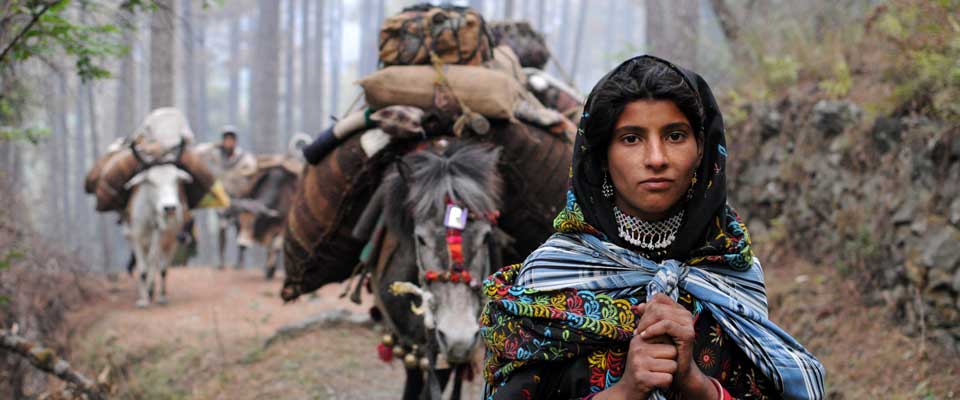
Van Gujjar and Himalayan village communities have long managed buffalo in environments where purchased agricultural inputs may be expensive, distant or unsuitable. Urine, dung, ash and plant materials are readily available within a household or grazing system, allowing farmers to prepare low-cost treatments for small plots and kitchen gardens.
These preparations are often connected to wider ecological knowledge. Farmers may select neem, garlic, chilli, tobacco leaves, lantana or other locally recognised plants according to the pest, crop and season. The method is therefore better understood as a community-based system of observation than as a universal recipe.
How Traditional Preparations Are Made
A common approach involves collecting fresh buffalo urine in a clean container, diluting it with water, and combining it with crushed or steeped plant material. Some preparations are fermented for several days before being strained and applied to plant surfaces or soil. Recipes differ significantly between households and regions, so there is no single standard formulation.
Fermentation, concentration and storage affect the final mixture. A preparation that appears mild in one setting may scorch leaves or harm seedlings in another. Small-scale testing on a few plants, accurate recording of dilution and application during cooler parts of the day can reduce avoidable crop damage.
Possible Benefits And Limits
Traditional buffalo-urine mixtures may act through smell, surface irritation or the properties of accompanying botanicals. Neem compounds, for example, are widely studied for insect management, while chilli and garlic may discourage feeding. The urine itself should not automatically be treated as a proven insecticide, fungicide or fertiliser.
Evidence for efficacy can vary with pest species, weather, crop variety and preparation method. A spray that helps with aphids in a home garden may have little effect on caterpillars or fungal disease. Farmers and gardeners should avoid presenting such products as guaranteed substitutes for every registered treatment.
Health And Environmental Precautions
Animal urine can carry microorganisms, particularly when collected or stored in unhygienic conditions. Gloves, covered footwear and handwashing are sensible precautions during preparation and application. Avoid spraying near the face, food utensils, animal feed or open wounds, and keep containers clearly labelled and away from children.
Use should also protect beneficial insects, waterways and soil life. Spraying flowering plants can expose bees and other pollinators, while runoff may enter creeks or household tanks. Gardeners interested in biodynamic farming guidance should still distinguish general ecological principles from local advice about animal-derived crop treatments.
What Australian Growers Need To Check
In Australia, the Australian Pesticides and Veterinary Medicines Authority regulates agricultural chemical products and claims about pest control. State and territory rules can apply to chemical use, record keeping, storage and application, even when a preparation is made at home. Before selling, distributing or advertising a buffalo-urine product as a pesticide, growers should seek current guidance from the APVMA and the relevant state department.
Local circumstances matter. A gardener in Melbourne may be working on a small urban allotment, while a producer near Brisbane may manage subtropical pests and heavy summer rainfall. In Perth, water conservation affects spray decisions, and in regional dairy areas buffalo may be uncommon compared with cattle. Supermarket standards, farmers’ market expectations and food-safety responsibilities also make it important to keep treated produce away from sale until suitable safety information is available.
Responsible Learning And Community Partnership
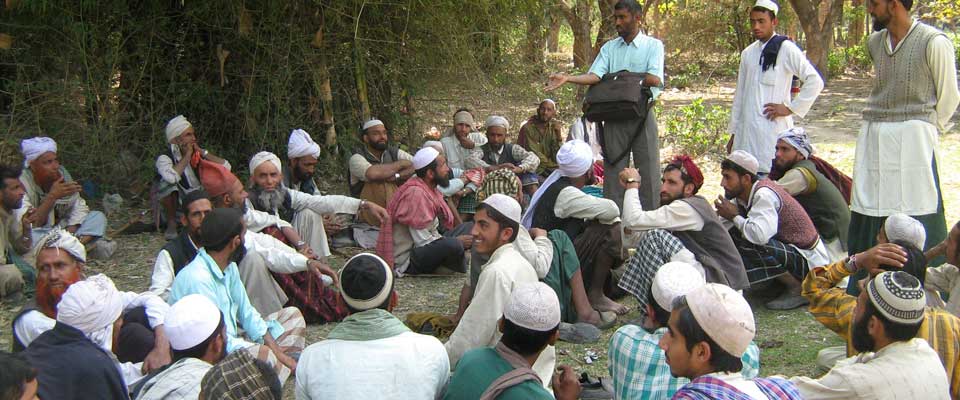
For Australian audiences, the most respectful approach is to learn from the cultural and ecological setting in which these practices developed. SOPHIA’s work highlights how pastoral communities connect buffalo care with milk marketing, forest rights, social organisation and advocacy. Removing one technique from that setting can erase the knowledge and responsibilities that give it meaning.
Research partnerships should involve informed consent, fair recognition and benefits for the communities contributing knowledge. Field trials can compare untreated plants, traditional preparations and approved alternatives while recording pest pressure, crop injury and effects on beneficial insects. This creates useful evidence without treating indigenous practice as an uncredited resource.
SOPHIA welcomes informed engagement with projects that strengthen pastoral livelihoods, protect community rights and support sustainable agriculture. Explore the organisation’s work, share reliable information through respectful networks, and support partnerships that place community knowledge and environmental care at the centre of agricultural learning.