






Buffalo Milk Nutrition Across Highland and Lowland Pastures
Buffalo milk has a fuller, creamier taste than most cow milk, yet the forage behind it shapes more than flavour. The nutritional differences between buffalo milk from highland and lowland pastures can be meaningful, but breed, weather and processing also matter. Mountain meadows, seasonal herd movements and lowland fodder crops each change what animals eat.
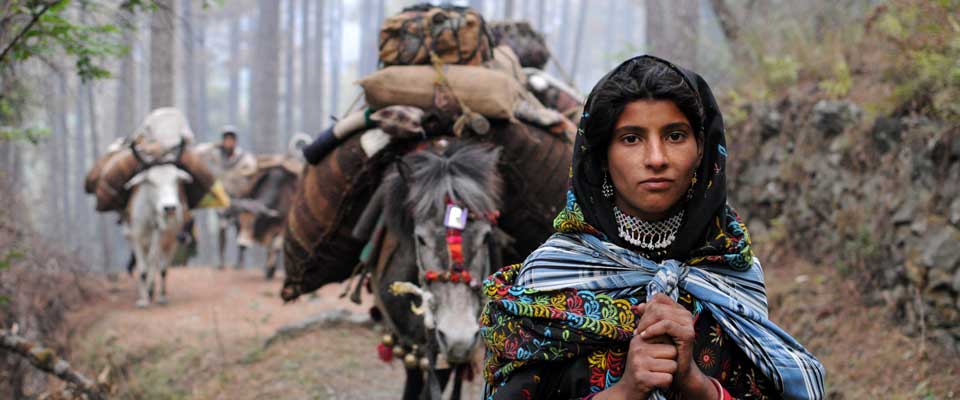
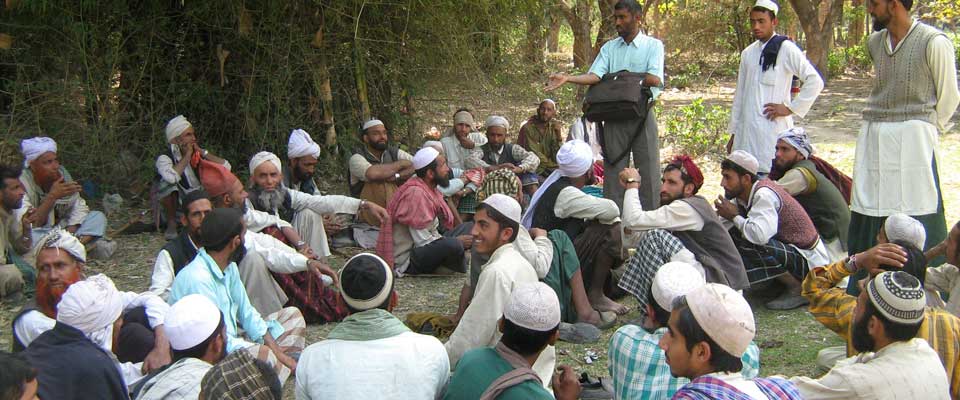
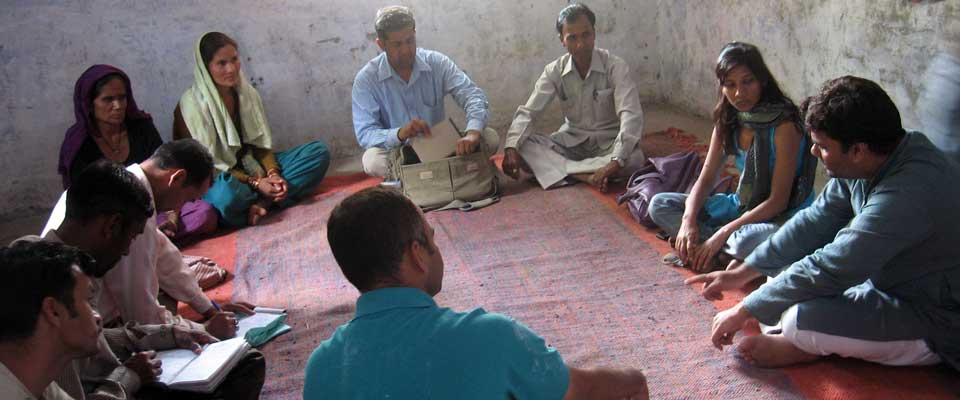
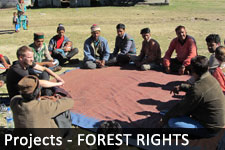
For families in Uttarakhand, Himachal Pradesh and Uttar Pradesh, milk is food, income and a shared resource. SOPHIA works with Van Gujjar and Himalayan village communities, where knowledge of herds, forage and seasonal routes belongs to the people who manage them. That context is essential to any serious nutritional comparison.
Australian readers need practical benchmarks rather than a romantic contest. Milk bought at Coles or Woolworths, a café’s steamed drink and artisan cheese may involve different diets, breeds and processing systems. The useful question is which attributes are measured and traceable, not which style is automatically healthiest.
Where Forage and Location Shape Milk
Highland buffalo in Uttarakhand and Himachal Pradesh may graze alpine and subalpine grasses, sedges and herbs, sometimes following transhumance routes as seasons change. Lowland herds in Uttar Pradesh often combine village grazing with berseem, oat fodder, maize silage, straw and grain by-products. “Pasture” therefore means access to forage and a feeding system, not merely a mountain or plains label.
These diets can change the balance of milk fat, including omega-3 and conjugated linoleic acid, while plant compounds in mountain forage may also influence minor nutrients and antioxidant activity. Richer highland milk is plausible, but not assured: breed, lactation stage, water, weather and supplemental feed may outweigh the pasture effect. The community memory archive can add seasonal observations that formal surveys may miss.
Reading the Numbers Without Oversimplifying
Typical buffalo milk contains around 7–8% fat and 3.5–4.2% protein, with roughly 4.8–5.2% lactose and 90–100 kilocalories per 100 mL. Reported values shift with diet and lactation, so a laboratory result from one herd cannot represent an entire region.
Highland diets can contribute more omega-3 and plant-derived compounds, while lowland fodder and crop residues may produce a different fatty-acid balance. Neither terrain guarantees more vitamins or minerals. Toned milk removes fat, heat affects some vitamins, and drying into powder alters composition and storage. Lactose remains broadly similar, so “gentler” should not be assumed.
Buffalo Milk in the Australian Market
Most Australian milk comes from cow herds in pasture regions such as Gippsland, Tasmania and southwest Western Australia. Food Standards Australia New Zealand regulates composition and labelling, while terms such as “full cream” and “barista milk” are familiar on Australian shelves and café menus. Buffalo milk occupies a smaller specialist market, so claims about creaminess, grass feeding or natural richness may appear without detailed composition information.
In supermarkets and independent delis, compare nutrition panels per 100 mL rather than relying on carton size. A café drink should be checked for buffalo milk, added milk powder and whether the milk is diluted. Specialist producers, farmers markets and food retailers can offer stronger traceability, although these products often cost more than supermarket cow milk.
Practical Ways to Assess Buffalo Milk Claims
Without a controlled laboratory comparison, buyers can assess claims through several practical checks.
- Compare fat and protein per 100 mL rather than judging creaminess alone.
- Check whether herds grazed, received fodder or silage, and how much each formed the diet.
- Look for origin, production dates and processing details, especially whether milk was toned.
- Treat colour as a weak nutritional clue because pigments, feed and lighting can alter it.
- Ask sellers about herd health, milk handling and transparent producer pricing.
- For cheese or café milk, compare ingredient and nutrition panels before paying a pasture premium.
SOPHIA’s documented field challenges show why these questions extend beyond chemistry: seasonal access, market access and producer bargaining power shape both milk quality and household resilience.
Supporting Pastoral Communities Through Better Markets
A nutritional comparison becomes meaningful when it supports producers without distorting their knowledge. Through rights-based projects, social mobilisation, advocacy and partnerships, SOPHIA supports buffalo husbandry, milk marketing and community control over forests and domicile rights. Fair returns for milk and reliable access to grazing can help pastoral livelihoods remain viable while protecting the ecological and cultural foundations of highland dairying.
Australian consumers can act by choosing clearly sourced buffalo milk or cheese, checking the producer story and supporting organisations that keep communities at the centre of the market. Share verified nutritional information, buy through transparent channels, and contribute time or funds to SOPHIA’s community-led work. Such demand can turn a nutrition claim into a more durable form of support.