




Shrinking village pastures reshape interfamily herding alliances
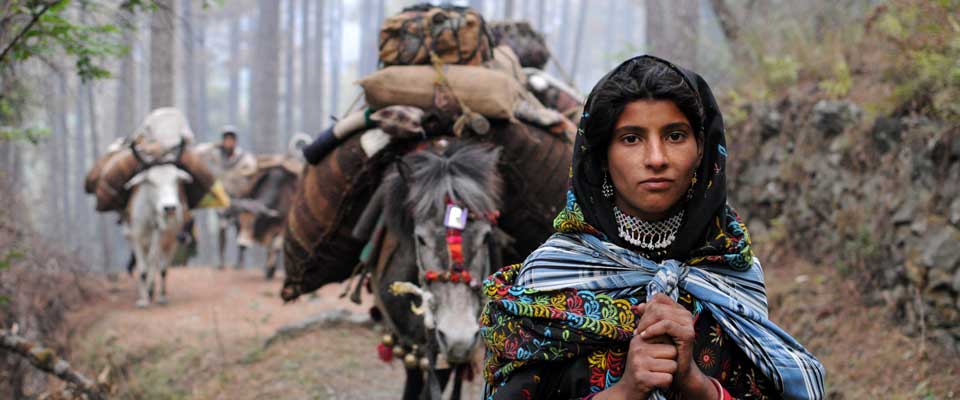
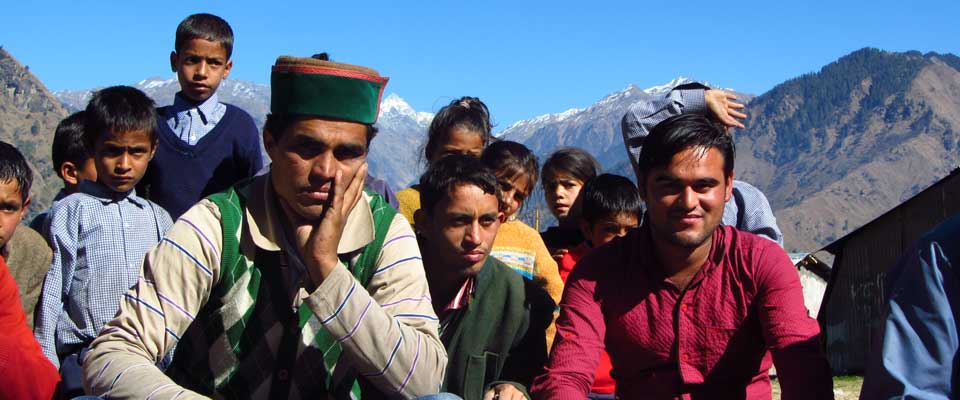
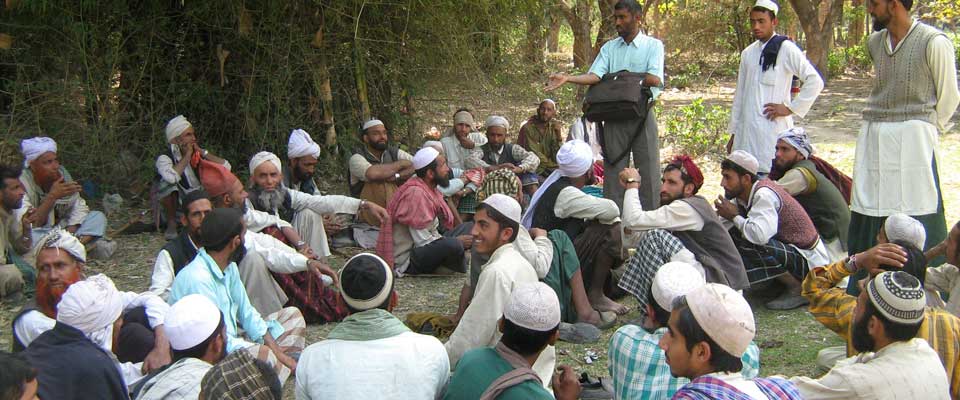
Van Gujjar pastoralists and Himalayan village communities in Uttarakhand, Himachal Pradesh and Uttar Pradesh keep buffaloes and rely on seasonal commons: forests, grazing lands, water points and fodder. Movement between elevations and villages helps households spread risk and maintain herds throughout the year.
Interfamily herding alliances are reciprocal arrangements in which households share access, labour, breeding animals, fodder or sale opportunities and help settle disputes. The impact of shrinking village pastures on interfamily herding alliances is economic as well as social: when a common resource contracts, fair timing and trust become harder to sustain.
These networks absorb shocks. A household with few animals may receive milk income, manure for fields, a breeding bull or herding help from neighbours, while providing labour, feed or priority access in return. Breakdown can remove both subsistence support and collective bargaining power.
SOPHIA, an Indian registered non-governmental organisation, supports indigenous rights, forest and domicile rights, sustainable pastoral livelihoods, buffalo husbandry and milk marketing through rights-based projects, mobilisation, advocacy and government engagement. Australian readers can draw useful parallels without assuming that village commons operate like Australian land and dairy markets.
How pasture loss alters shared grazing
Pasture loss can follow forest enclosure, changed land use, development pressures, climate stress and the spread of unpalatable plants. Some restrictions protect ecological recovery, but communities need lawful alternatives when grazing areas close. A shorter commons season, rather than a single boundary, may be the decisive loss.
As carrying capacity falls, each household needs a larger share of what remains. Families compete over access, while less wealthy households may lack the cash, labour or connections needed to buy fodder elsewhere. Informal “first arrival” rules can favour owners with livestock, carts or political influence.
Reciprocal trust then erodes. Herders may guard better patches, delay movement or refuse to lend breeding stock, and disputes over animals and grazing dues can divide kin groups. Reduced herds and distant fodder sources raise costs, weaken food security and make families less willing to invest in shared institutions.
Herding ties, household resilience and milk markets
Buffaloes are simultaneously livestock, savings and productive assets. Selling animals provides quick cash during a feed crisis, yet fewer animals mean less milk for household consumption and sale, less manure for crops and weaker capacity to meet expenses. Family members often carry much of the additional care burden.
Milk gives herding alliances a market dimension. Scattered producers sell small, irregular volumes to itinerant collectors or traders, reducing their influence over quality, timing and price. Collective aggregation can make volumes predictable, improve bargaining and support chilling or processing closer to villages.
Alliances are not automatically equitable. Decision-makers may overlook women herders, landless households, seasonal migrants or families unable to contribute animals and labour. Without transparent records and room for dissent, a once-useful safety net can reproduce exclusion precisely when support is most needed.
Lessons from Australian pastoral regions
Australian pastoral experience offers several practical comparisons. In Victoria’s Gippsland and around Warrnambool, dairy farms manage pasture as a seasonal feed budget. Local producers discuss their “stocking rate”, “carrying capacity” and the risk of “running out of feed”. The pressures are comparable, although ecosystems and tenure systems differ.
At Wagga Wagga sale yards, livestock agents, transport operators and weekly price signals shape farmer decisions. Producers weigh a sale now against holding stock through a dry spell, a familiar debate mirrored in Himalayan markets. Australia’s deeper transport, insurance and market-information systems can cushion shocks that village families absorb directly.
In the Riverina, irrigators speak about water allocations and drought allocations, while Victorian processors and retailers pay premiums linked to milk quality and volume. These examples show why a credible herding alliance needs both secure resource access and a reliable route to market; cooperation alone cannot replace a viable return.
Rights, participation and accountable institutions
Secure forest and domicile rights provide a practical foundation. Recognition of community authority can prevent unilateral closure or appropriation of shared grazing areas, provided residents can claim rights through transparent procedures. Legal recognition must accompany seasonal access maps, agreed movement routes and rules for resolving boundary disputes.
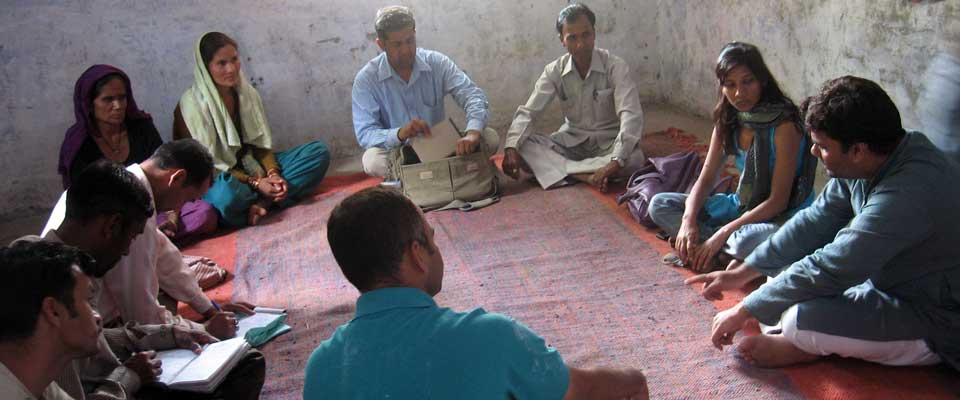
Community mapping should record springs, fodder reserves, winter shelters, livestock routes and the interests of different households, not only formally recognised land. Women, herders, younger people and poorer residents need visible roles in decisions affecting their work and income.
District authorities can support locally agreed grazing protocols, conflict mediation, veterinary services and transparent fodder programmes. SOPHIA’s advocacy and partnership approach is relevant because rules work best when communities shape them, evidence tracks results and government agencies remain accountable for implementation.
Practical steps for resilient herding alliances
Responding to shrinking commons requires agreements flexible enough for a poor season but clear enough to prevent exclusion. Herding families, village institutions, pastoral organisations and public agencies can prioritise these measures:
- Map pasture, water, livestock routes and seasonal carrying capacity, then share findings in accessible local formats.
- Negotiate reciprocal grazing and animal-sharing agreements that include women herders, landless households and migrants.
- Establish community fodder banks, silage reserves and agreed restocking or destocking triggers for severe feed gaps.
- Aggregate milk, maintain transparent price and payment records, and negotiate collectively with buyers and processors.
- Fund regular conflict mediation and monitor herd size, milk income, participation and pasture recovery.
Support community authority rather than importing a fixed Australian model. Those wanting to contribute can visit SOPHIA’s current programmes, contact the organisation about partnerships or ways to contribute, and help keep pastoral decisions and milk income in local hands. Stronger grazing partnerships can protect livelihoods while giving depleted commons time to recover.