


Plastic waste threatens Himalayan herding lands
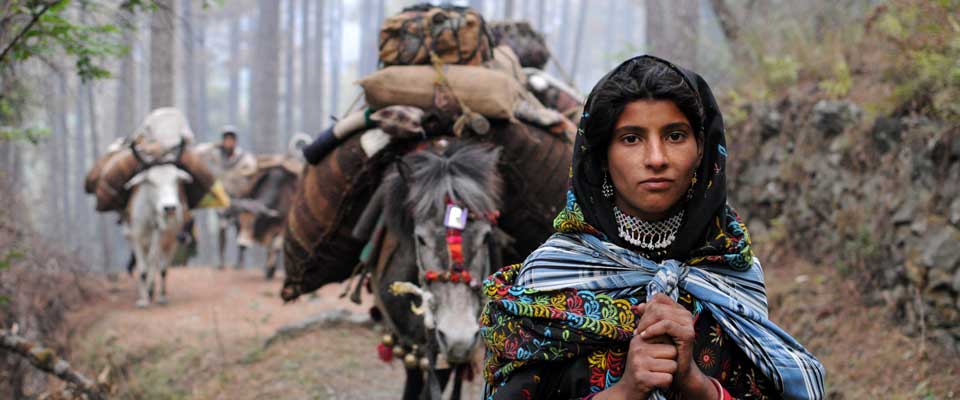
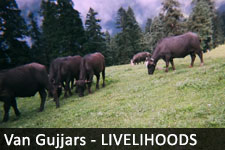
Himalayan herders move buffalo, cattle, goats and sheep between forest pastures and alpine meadows, following seasonal routes and local rules of access. The grazing lands used by these pastoralists provide fodder, open space and cultural continuity. Plastic pollution now threatens the health of animals, the productivity of pasture and the communities whose livelihoods depend on them.
Discarded wrappers, shopping bags, bottles and packaging can gather around villages, roadside stopping points and seasonal camps. Rain, wind and meltwater may carry litter uphill or into streams, where it can lodge in grass, contaminate water and fragment across a wide commons. Animals mistake flexible plastic for food or become entangled in discarded straps and fishing line.
India’s restrictions on single-use plastic have made waste management a public concern, yet collection, transport and safe disposal remain uneven in remote mountain districts. Australian supporters can contribute practical help and greater visibility, especially by backing community-led work that combines environmental care with Indigenous rights, forest access and sustainable pastoral livelihoods.
How waste reaches high-country grazing lands
Waste does not always begin on the mountain. Packaging from markets and towns can travel along access roads, while tourists and seasonal workers add litter around camps and viewpoints. Monsoon runoff and meltwater then redistribute fragments across pasture. In some districts, disposal gaps mean waste accumulates instead of being collected.
Once present, plastic alters a landscape slowly. It can smother forage, reduce soil stability and interrupt water movement. Buffaloes and goats may eat plastic fragments, while sharp or tangled material causes injury. A field that appears green may therefore conceal hazards for every animal that enters it.
Livestock health and wider wildlife
Livestock health is the immediate concern. Buffaloes that ingest plastic may suffer blocked digestive passages, poor appetite or injury, requiring veterinary attention and reducing milk production. Goats and sheep face the same dangers. Contaminated water and reduced grazing can weaken herds when families need stable food and income.
Plastic also catches wildlife. Birds and small mammals can swallow fragments or become trapped in loops, while discarded fishing line can disable animals that feed or move near waterways. Carried downstream, litter exposes aquatic habitats to further contamination, making a herding landscape part of a much larger ecological problem.
From pasture to milk market
Healthy buffalo translate directly into household income and a dependable milk supply. When plastic-related illness reduces yields, herders lose revenue at the point where costs are already rising. Milk collected from weakened animals may also carry additional quality concerns, creating pressure throughout a tightly connected local supply chain.
Milk marketing offers a practical link between environmental protection and economic security. Producer cooperatives can share safe collection practices, improve bargaining power and communicate quality to buyers. In Australia, farmers’ markets in Melbourne and Sydney often highlight provenance and animal welfare, demonstrating how customers can support producers whose methods protect both land and livestock.
Why herders must lead the response
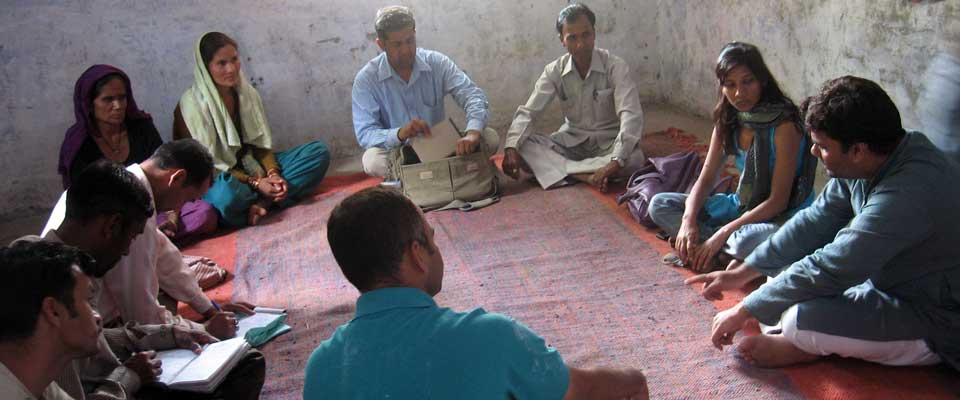
Cleanup efforts can help, yet local herders understand the terrain, migration patterns and pressures facing each grazing route better than outside teams alone. Their knowledge can identify waste hotspots, safe collection points and animals needing urgent care. Participation also ensures that waste policies do not unintentionally restrict access to forests, water or traditional pasture.
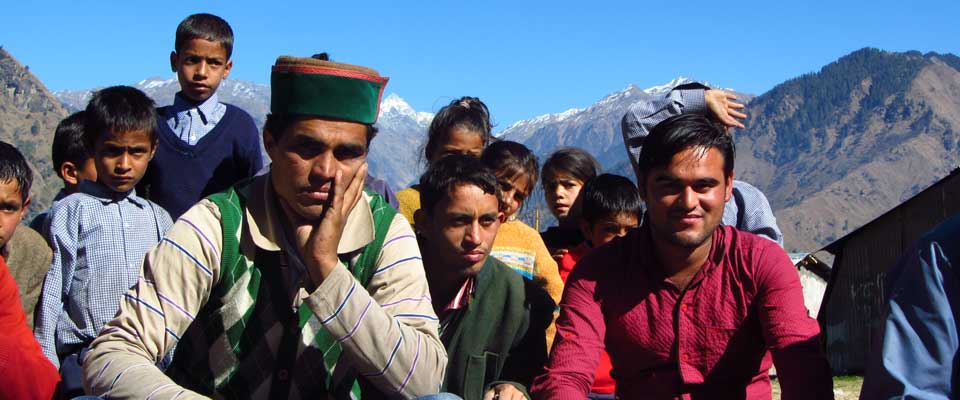
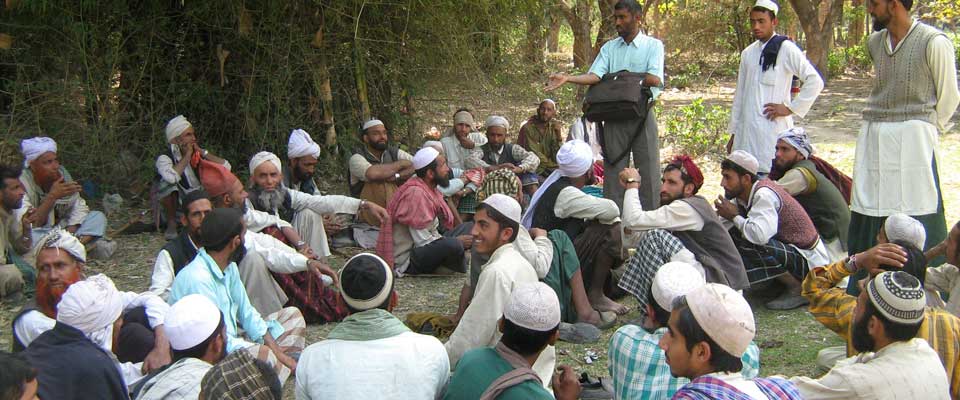
SOPHIA, an Indian registered non-governmental organisation, works with Van Gujjar and Himalayan village communities in Uttarakhand, Himachal Pradesh and Uttar Pradesh. Its work supports forest and domicile rights, sustainable pastoral livelihoods, buffalo husbandry and milk marketing through social mobilisation, advocacy, government engagement and partnerships with other NGOs.
What Australian experience reveals
Australia offers useful experience without identical conditions. Sydney, Melbourne and Brisbane generate substantial packaging waste, yet many residents shop with reusable containers or bring their own cup. Container-deposit schemes operate in New South Wales and Queensland, while council recycling rules differ between local areas. Farmers’ markets frequently connect customers with producers who foreground provenance and animal welfare.
Australian alpine districts also face tourism litter and farm-plastic waste, though the scale differs from Himalayan pastures. Local campaigns show that producer responsibility, convenient collection and trusted networks can reduce leakage. Community organisations such as Friends of the Library illustrate how local participation can be mobilised around a shared purpose.
From awareness to community action
Support can be practical as well as symbolic. Australian workplaces, schools and neighbourhood groups can run a clean-up fundraiser, sponsor reusable containers for village collection points or direct proceeds towards community-led waste management. These actions connect rubbish reduction with herd health rather than treating them as separate campaigns.
Organisers can consult SOPHIA’s guidance on hosting a fundraising event for a structured way to plan an appeal, involve guests and share accurate information about its work. Events explaining the link between plastic-free pasture, buffalo welfare and secure livelihoods can attract sustained support.
Building lasting grazing-land resilience
Durable results begin with prevention. Reusable sacks and food containers, reliable collection near settlements and producer responsibility can keep plastic out of high-country pasture. Veterinary checks and community monitoring can reveal injuries early, while mapping contaminated routes helps herders avoid hazards without losing access to essential grazing areas.
Long-term protection also requires fair institutions: community representation in waste decisions, accountable local authorities and sustained partnerships with organisations such as SOPHIA. Herders should help define success through fewer animal injuries, cleaner water, stronger milk income and respected forest and domicile rights.
Take one concrete step by organising a community event for SOPHIA, sharing the appeal with your networks and encouraging contributions that support both environmental protection and pastoral livelihoods.
Organise a community fundraiser and help keep Himalayan grazing lands clean, open and workable for the herders who depend on them.