





SOPHIA’s support for traditional Van Gujjar arts and craft markets
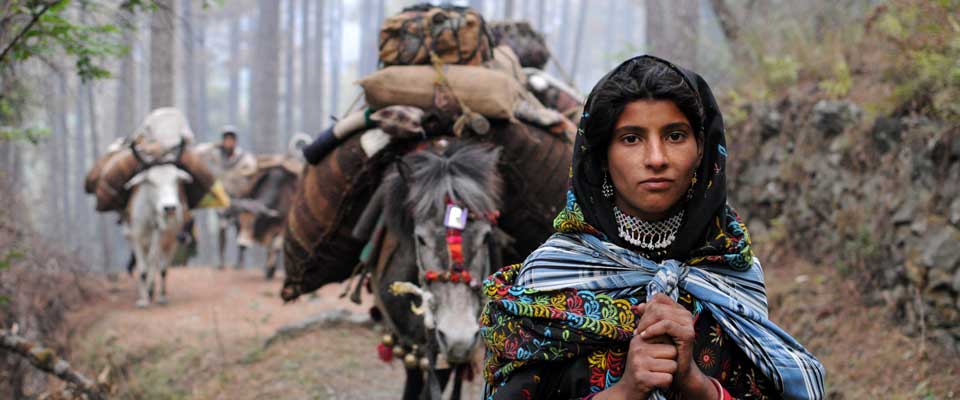
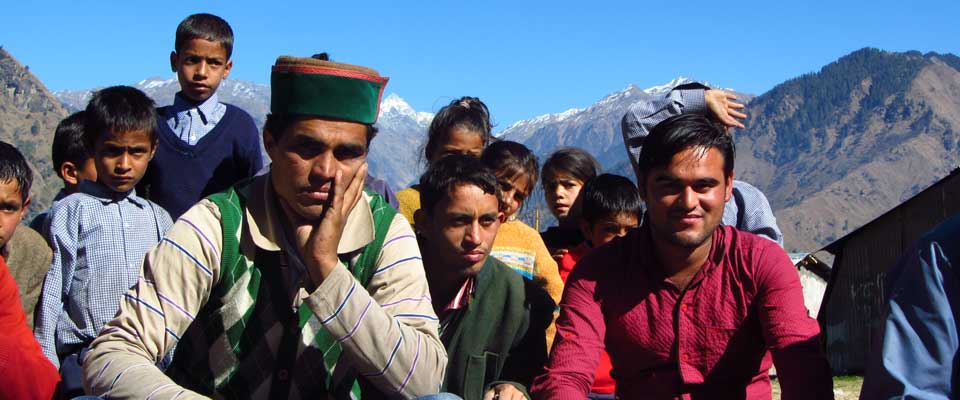
SOPHIA is an Indian registered non-governmental organisation supporting Van Gujjar and Himalayan village communities in Uttarakhand, Himachal Pradesh and Uttar Pradesh. Through rights-based projects, social mobilisation, advocacy, government engagement and partnerships with other NGOs, it works on Indigenous rights, forest and domicile rights, sustainable pastoral livelihoods, buffalo husbandry and milk marketing.
Community craft markets sit within this wider livelihood system. Handmade goods can carry knowledge passed between generations, while seasonal movement, livestock care and household duties shape when artisans can produce and sell. Supporting these markets therefore means strengthening community control, reliable demand and fair access to buyers without separating cultural practice from the pastoral life that sustains it.
Living heritage rooted in pastoral life
Van Gujjar craft traditions are living practices rather than museum displays. Knowledge of materials, decorative techniques and useful object-making develops through observation, practice and exchange. Seasonal pastoral routines influence designs, production time and the range of goods that reach buyers.
Their strongest market value comes from keeping those skills in community hands. Producers need authority over what is made, how it is represented and where it is sold. Cultural heritage is then a source of identity and income, not simply attractive imagery for outside audiences.
Rights that protect cultural livelihoods
Forest and domicile rights matter because access to grazing land, forest resources, migration routes and winter settlements affects both pastoral livelihoods and craft production. Secure mobility gives families time to make and sell goods; insecurity can interrupt production just as it interrupts buffalo husbandry. Advocacy therefore protects the conditions on which cultural enterprise depends.
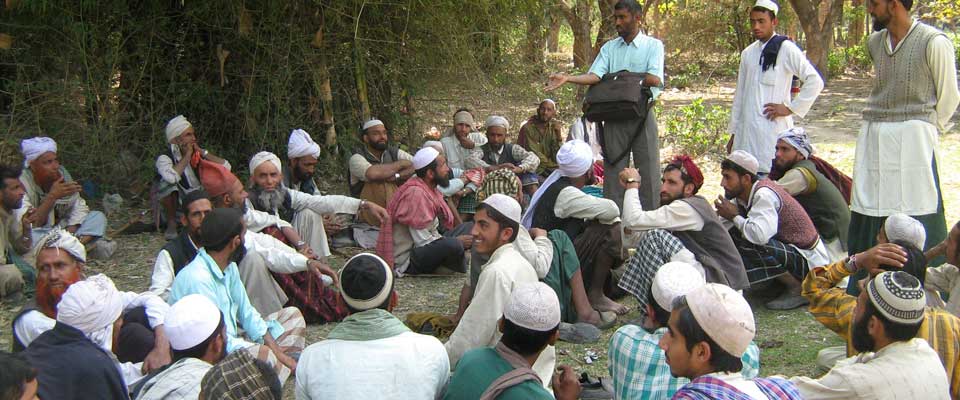
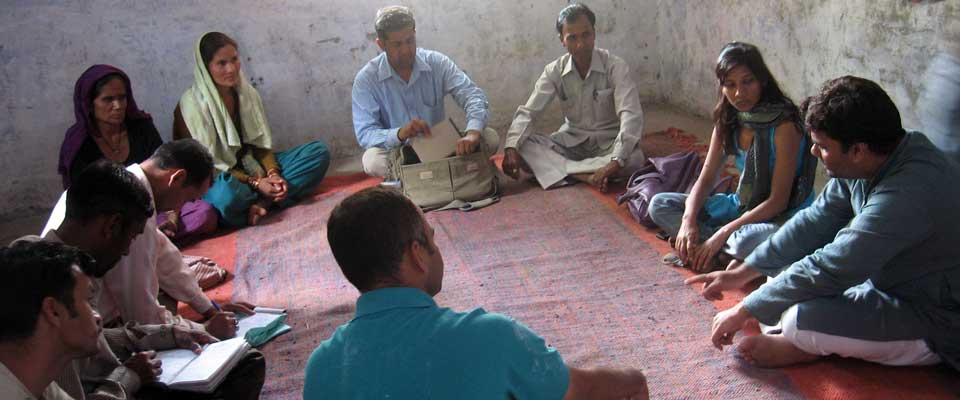
SOPHIA’s community mobilisation model places local decision-making at the centre. Residents can identify suitable products, agree on quality and pricing, and select representatives for market engagement. Links with government bodies and other NGOs can help address barriers involving documentation, transport, producer payments and formal buyers.
Pastoral and craft incomes can reinforce each other. Better buffalo husbandry and milk marketing may provide steadier cash flow, while craft sales can diversify earnings across the year. The goal is a supportive livelihood system rather than a one-off tourism project exposed to changing visitor demand.
Taking handmade goods to wider markets
Community-based marketing begins with making. Shared storage, careful packaging, product records, quality checks and collective display can protect time and materials, reduce the burden on individual artisans and explain a product’s origin without taking ownership away from its community.
Regional fairs and urban craft markets can widen the customer base for Van Gujjar producers. SOPHIA and its partners can connect producer groups with organisers, prepare goods for display and keep orders and payments transparent. Seasonal production cycles and travel distances must still shape every arrangement.
Artisans should not have to imitate a fixed catalogue of what outsiders expect. Product development can follow community priorities, environmental constraints and inherited skills, while buyer feedback informs future work. This balance preserves cultural integrity and builds more credible long-term markets than short-lived novelty sales.
Practical support for producers and buyers
Community craft-market support can be organised around two connected sets of practical actions.
For producers and community groups:
- Protecting designs and cultural knowledge through community consent and clear benefit sharing
- Improving quality, durability and presentation while retaining each maker’s style
- Pooling inventory for fairs, wholesale orders and market enquiries
- Keeping records of production, prices, payments and customer feedback
On the market side, support should match those priorities to real buying conditions:
- Negotiating stall space, commissions, delivery terms and payment schedules with organisers
- Supporting transport, secure storage and the safe return of goods after events
- Sharing market intelligence on fairs, wholesale buyers and seasonal demand
- Using fair pricing and transparent orders so artisans retain a meaningful share
Together, these measures make market participation less risky for small producers and give buyers a clearer, more ethical route to work directly with community groups.
Working with Australian market communities
For Australian readers, useful comparisons include Melbourne’s weekend makers’ markets, Sydney design fairs, and regional farmers’ markets across Victoria and New South Wales.
Australian market customs also shape participation: stallholders may need to budget for registration, insurance, display, transport and GST or other tax obligations, while buyers often ask about provenance and ethical sourcing. These practical details can help partners identify what logistics, documentation and fair payment arrangements a producer group needs.
The strongest exchange is reciprocal. Australian organisers, designers and buyers can contribute event knowledge and buyer contacts, while Van Gujjar producers retain control over cultural material and commercial terms. Agreements should cover ownership of images, designs and intellectual property, as well as each community’s right to withdraw work.
Support community-led market access
People in Australia can support SOPHIA by sharing market expertise, introducing ethical buyers and event organisers, backing relevant livelihood projects, or amplifying community-led information about Van Gujjar life and cultural practice. Partnerships should be transparent, long-term and shaped with the organisation and the communities involved.
Choose one practical role: host a producer-led display, contribute market knowledge, support a livelihood initiative, or connect with SOPHIA’s current involvement pathways. Credit artisans, pay fairly, obtain consent for promotion and keep cultural material under community control. Sustained, ethical demand helps preserve both the objects and the knowledge carried through their making.