




SOPHIA Research on Van Gujjar Buffalo Genetic Diversity
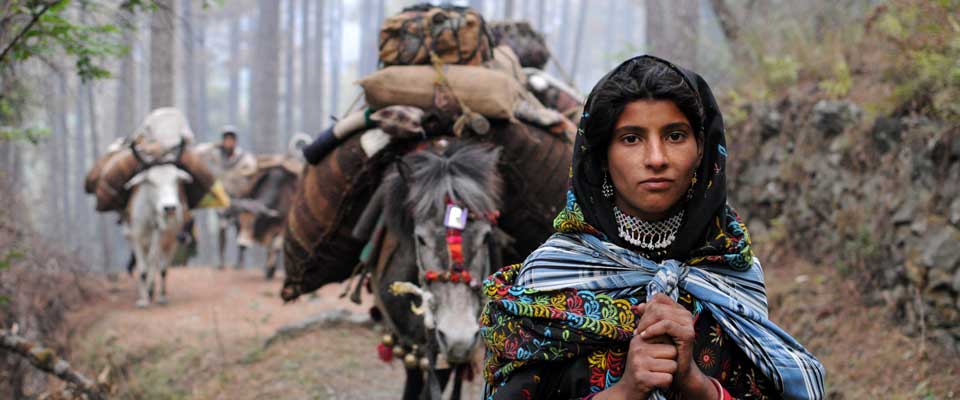
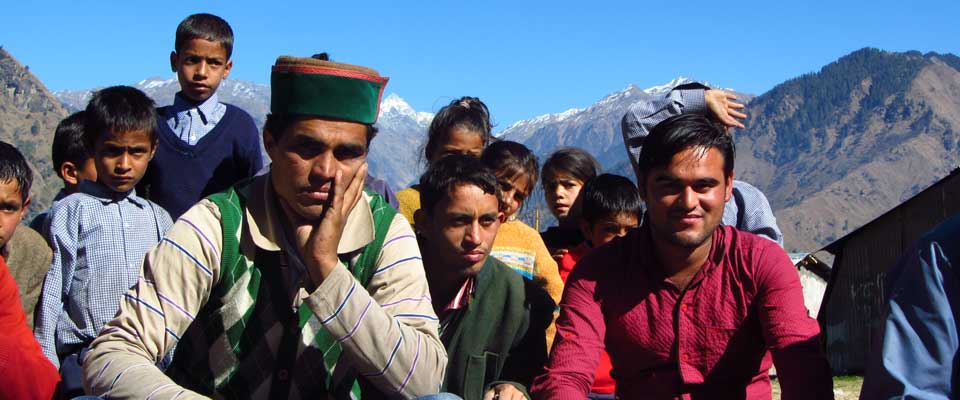
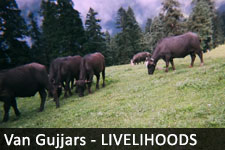
SOPHIA is an Indian registered non-governmental organisation working with Van Gujjar and Himalayan village communities in Uttarakhand, Himachal Pradesh and Uttar Pradesh. It supports indigenous rights, forest and domicile rights, sustainable pastoral livelihoods, buffalo husbandry and milk marketing through social mobilisation, advocacy, government engagement and partnerships with other NGOs. In this setting, buffalo are household assets, sources of milk income and central to mobile or semi-mobile livelihoods.
SOPHIA’s research on the genetic diversity of Van Gujjar buffalo breeds examines how animals kept under different hill and plains conditions relate to one another and which traits herders value. Genetic evidence can reveal population structure, local adaptation and the effects of crossbreeding. It also identifies distinctions that colour, body size or village labels cannot show.
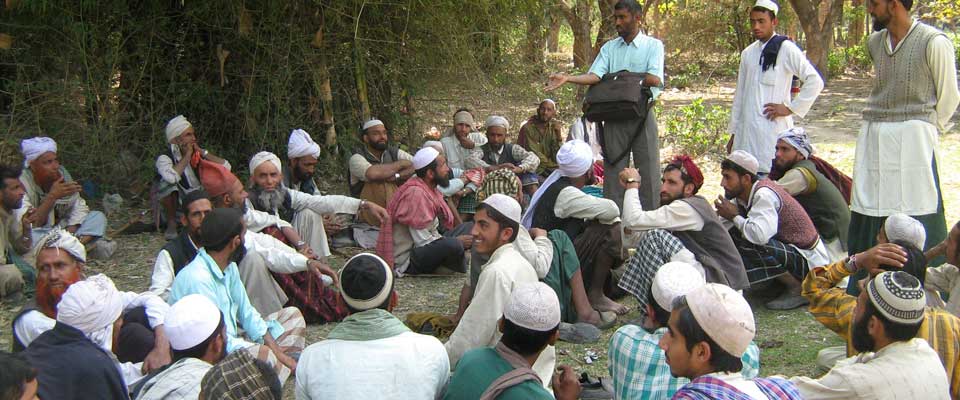
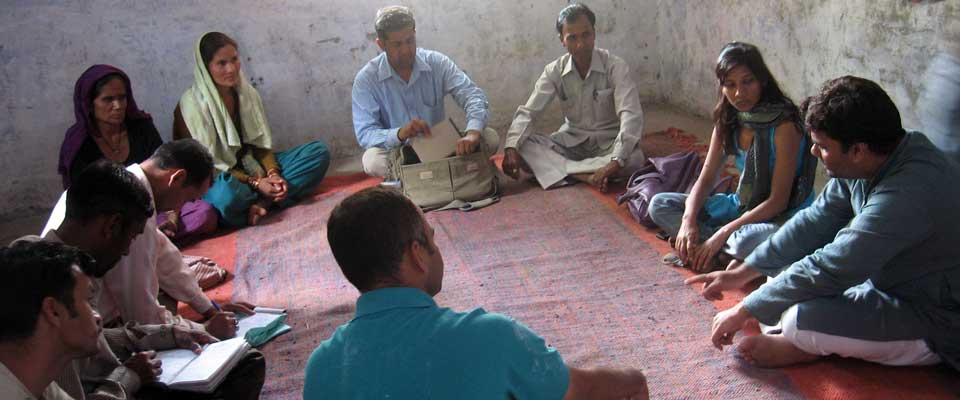
The work is rooted in rights-based practice. Community members contribute knowledge about grazing routes, fodder, milk use, disease resistance, climate tolerance and herd histories. Field teams can combine this testimony with biological samples and market information, ensuring that laboratory findings remain relevant to the daily decisions of pastoral and farming households.
For Australian readers, the research offers a case for comparing genetic analysis with knowledge held by pastoral households. Australia has established breed registries, herd recording and traceability systems, yet also confronts genetic narrowing and market pressure. The exchange can examine who controls breeding decisions, who benefits from genetic resources and how evidence can strengthen community authority without displacing it.
Why population diversity matters
Genetic diversity describes variation within and among buffalo populations. Narrow diversity can increase vulnerability to disease, environmental stress and rapid change, while useful variation may support future selection. The goal is not to freeze every boundary: movement, trade and planned crossbreeding all shape the populations being studied.
The label Van Gujjar may describe a locally recognised type rather than a closed, registry-based breed. This makes careful population sampling and transparent reference data important. DNA markers can estimate heterozygosity, relatedness and population structure, while field records connect genetic patterns with milk fat, fertility, forage use, movement and survival under local conditions.
Productivity must be judged in context. An animal able to travel long distances and use coarse vegetation may not suit an intensive dairy system, while a high-yielding line can struggle where fodder, water or veterinary access are limited. Conservation choices therefore require evidence about labour, feed and market value as well as genetic novelty.
Methods and community evidence
A rights-respecting study design connects laboratory sampling with everyday herd records:
- owner-consented blood or tissue collection under veterinary supervision
- DNA marker analysis for diversity, relatedness and population structure
- records of age, sex, body condition, milk traits, health and management
- comparisons with relevant local and established buffalo populations
Community evidence adds dimensions that genetic markers cannot capture:
- oral histories tracing herd movement, trade and earlier breeding decisions
- observations of temperament, milk quality, forage preferences and survival under stress
- seasonal calving, disease, weather and fodder records linked to household calendars
- herder preferences showing whether breeding goals reduce costs or add labour
Sources should also be labelled by function. An online archive can contain mixed material, and the Dutch online casino item is a media reference rather than buffalo-research evidence. This distinction protects the credibility of field findings and keeps interpretation honest.
Uttarakhand’s field context
Uttarakhand contains several operating environments. Some Van Gujjar households move buffalo between the warmer Terai or Bhabar belt and higher hill pastures, while others keep year-round or semi-migratory herds. A sample therefore records an animal within a particular management system, not a fixed standard of breed purity.
Language also shapes the research. Families may use Punjabi, Hindi, Garhwali or Kumaoni and switch between them in markets, homes and meetings. Interviewers need accurate translation without erasing local expressions for household work, animal care and milk use. Consent should be explained in the language that best supports genuine discussion.
Around Dehradun, Tehri Garhwal and Uttarkashi, a short road journey can become a long detour after monsoon rain or landslides. Milk moves through village collection points, traders and dairy buyers, often in cans or pouches. Weekly haats may price milk by fat, volume, season and buyer demand. Some families sell small quantities directly or sell curdled milk rather than enter a formal cooperative chain.
Pasture and fodder access are tied to forest and domicile rights. Restrictions can alter herd size and breeding choices as sharply as a low milk price. A plan to retain rare buffalo lines must also address pasture access, veterinary care, credit and transport, or conservation goals will compete with immediate household needs.
Turning evidence into better livelihoods
The evidence can guide selective breeding, community-managed herdbooks and clearer market standards without prescribing a single ideal animal. It may help identify locally adapted breeding stock, flag unwanted close-relations, and connect traits such as fat content or resilience to buyer value. Results should return to communities in accessible forms, with consent and control over sample use.
Australian collaboration can contribute laboratory capacity, analytical tools and public communication, but it should not shift decision-making away from herders. Cross-country comparisons also need care because Himalayan adaptation, Australian production conditions and household economics differ. Strong partnerships involve shared protocols, transparent authorship, fair access to benefits and sustained support for community institutions.
Ways to support community-led conservation
People can support SOPHIA by sharing verified information about its projects, contributing through official channels, or helping connect donors and research partners with community priorities. Useful support includes participatory field costs, veterinary care, milk-market development, accessible documentation and long-term community funding rather than short research grants alone.
Visit SOPHIA’s project, team and media pages to learn about active work and current ways to help. Organisations interested in collaboration can offer relevant technical skills while accepting community leadership, data stewardship and benefit-sharing as core conditions. Support informed decisions, keep buffalo breeding in community hands and help sustain herds, forests and livelihoods together.