




Bringing Books Along the Seasonal Routes
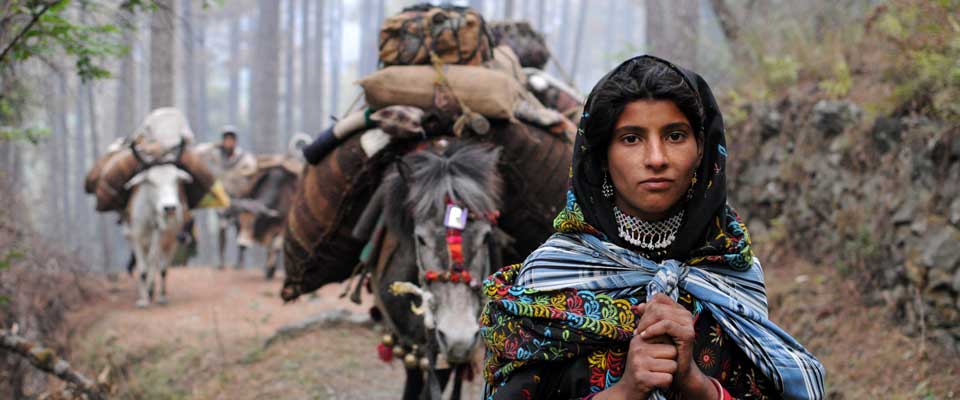
For children in transhumant communities, access to books can change with the seasons. Van Gujjar families in Uttarakhand traditionally move with their buffalo herds between forest grazing areas and lower settlements, following routes that may take them far from permanent schools, libraries and reliable transport. SOPHIA’s mobile library service brings reading materials closer to where children live, travel and learn.
The programme reflects a practical understanding of rural life. A travelling collection of storybooks, picture books, school materials and age-appropriate information can support children during migration while encouraging curiosity, language development and confidence. It also creates a welcoming space where families see education as connected to their culture, livelihood and future.
Reading That Travels With Families
A fixed library building cannot serve every child when a family’s home changes during the year. SOPHIA’s outreach model carries books along seasonal migration routes and into remote hamlets, helping children maintain a relationship with reading even when they are away from formal classrooms.
The service can include shared reading, storytelling, drawing, basic learning activities and conversations about the natural world. For younger children, illustrated books make reading inviting. Older students may benefit from science, geography, health and general knowledge resources that complement their schoolwork.
This flexible approach is familiar to Australians who understand the distances involved in reaching services in the bush. A mobile library travelling through regional Victoria or the Kimberley would need to work around roads, weather and changing community schedules; the same principle applies in the Himalayan foothills, where terrain and seasonal movement shape every visit.
Supporting Learning Beyond the Classroom
Children in pastoral communities may experience interrupted schooling because of migration, household responsibilities or limited access to transport. A mobile library does not replace teachers or schools, but it provides continuity. Regular contact with books helps children practise vocabulary, follow stories, ask questions and develop independent learning habits.
Reading sessions can also support children who speak local languages at home and encounter Hindi or English in education and public services. Materials selected with community input are more likely to feel relevant and respectful. Stories about animals, forests, family life and journeys can connect learning to children’s own experiences rather than presenting education as something distant.
There is a useful parallel with Australia’s School of the Air tradition, which has long adapted education to vast distances. SOPHIA’s service uses a different, community-based method: books and activities travel physically with families, creating face-to-face encouragement where digital connectivity may be limited or unreliable.
Community Knowledge At The Centre
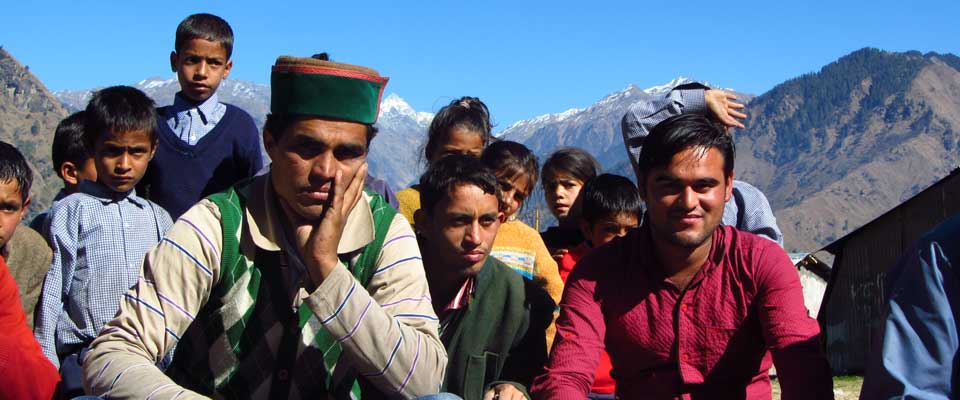
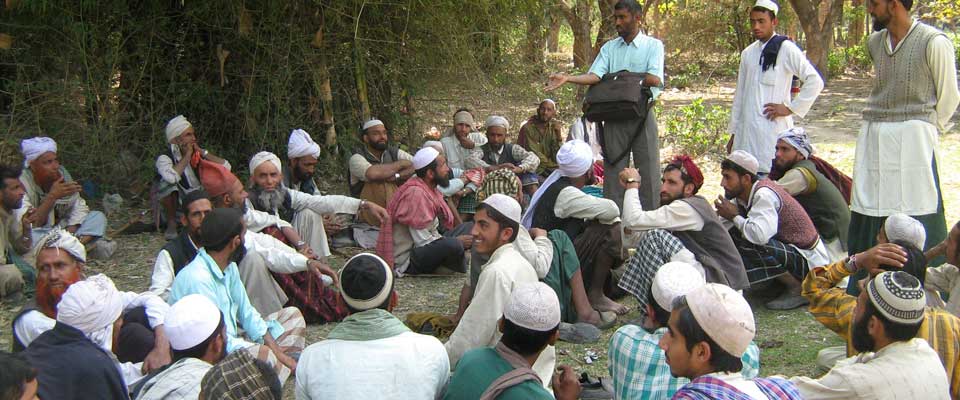
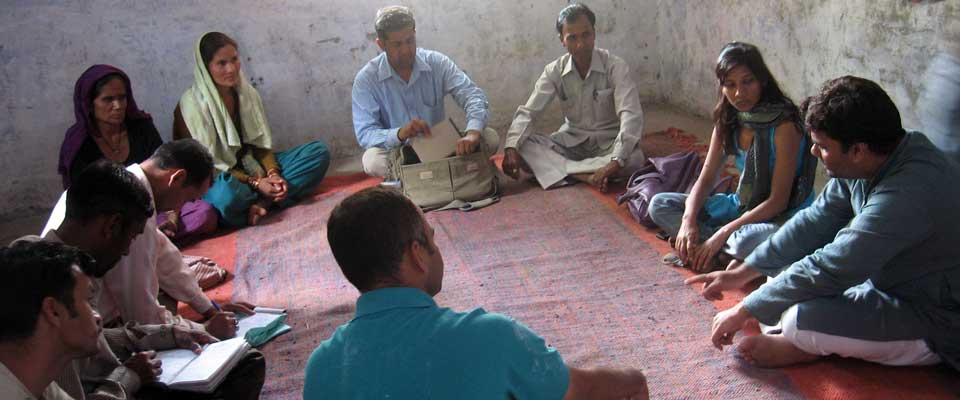
A successful children’s library service depends on trust. SOPHIA works with Van Gujjar and Himalayan village communities through social mobilisation, rights-based projects and local partnerships. That foundation helps the library team understand when families move, which materials children enjoy and what practical barriers affect participation.
Community members can contribute as storytellers, guides, volunteers and advocates for children’s education. Local knowledge may shape reading themes, activity times and the care of the collection. This shared responsibility gives the service a stronger chance of continuing beyond a single distribution visit.
The approach also respects pastoral identity. Children should have opportunities to read about the wider world without being told that their family’s forest-based livelihood is backward. Books can strengthen knowledge of rights, forests, animals, health and sustainable livelihoods while affirming the value of community experience.
Building A Useful Mobile Collection
A good travelling library needs more than a large number of books. It needs durable materials that can withstand repeated handling, simple storage, clear lending routines and a selection suited to different ages. Picture books, folk tales, bilingual resources, activity sheets and reference materials can all play a role.
The collection can be refreshed through partnerships with publishers, schools, libraries, community groups and supporters. Australian readers may recognise the appeal of a “book box” or a small pop-up library at a country show, community hall or bush school. Practical library outreach guidance, such as these library outreach ideas, can offer useful inspiration when adapting collections for mobile settings.
Digital resources may add value where devices, electricity and network coverage allow, but printed books remain essential. A physical story shared beside a forest settlement does not depend on a data plan, battery or signal. It can be read aloud, passed between siblings and revisited long after a mobile team has moved on.
Linking Literacy With Wider Rights
SOPHIA’s work connects children’s reading with broader community empowerment. Literacy supports participation in village meetings, engagement with government schemes and understanding of documents related to forest rights, domicile rights and public services. Children who grow up confident with information may later help their families navigate institutions that have often been difficult to access.
The mobile library also creates a gentle entry point for conversations with parents. Visits can open discussion about school enrolment, identity documents, health, nutrition and the pressures faced by pastoral households. When children are welcomed through stories and activities, families may feel more comfortable engaging with other community programmes.
For supporters in Australia, the work offers a clear example of how small, consistent interventions can matter. A contribution to books, transport, storage or local coordination can help make learning part of seasonal life in the Himalayas. Schools, libraries, book clubs and community organisations in places such as Geelong, Dubbo or Alice Springs can also share reading resources and raise awareness of indigenous pastoral communities.
Support SOPHIA’s mobile library work by sharing its story, connecting the organisation with ethical education and library networks, and contributing resources that are suitable for children on the move. Every durable book, thoughtful partnership and community-led reading session helps keep learning within reach along the seasonal routes.