





Building Women-Led Buffalo Dairy Enterprises Through Microcredit
For Van Gujjar women, buffalo dairy is closely tied to household security, pastoral knowledge and community life. Yet access to cash can determine whether a family can purchase a healthy animal, improve fodder, manage veterinary costs or sell milk at a fair price. SOPHIA’s microcredit program helps women turn these practical needs into sustainable income-generating opportunities.
The approach connects small loans with training, collective action and stronger access to markets. For Australian supporters familiar with cooperative farming, local food networks and community finance, the program offers a clear example of how women’s economic participation can strengthen both families and pastoral communities.
Why Women’s Enterprise Matters
Women in Van Gujjar and Himalayan villages often contribute substantially to animal care, milking, household budgeting and milk sales. However, their work may remain informal and undervalued when they lack independent access to finance or a recognised role in business decisions.
A women-led buffalo dairy enterprise can provide regular cash flow for school costs, healthcare, food and home improvements. It can also increase women’s confidence in negotiating with traders, keeping records and participating in village-level discussions about forests, livelihoods and community rights.
How Small Loans Create Opportunity
Microcredit provides modest, structured finance rather than a one-off grant. A borrower may use funds to purchase or improve a buffalo, build a cleaner shelter, buy feed, arrange veterinary care or manage seasonal expenses before milk payments arrive.
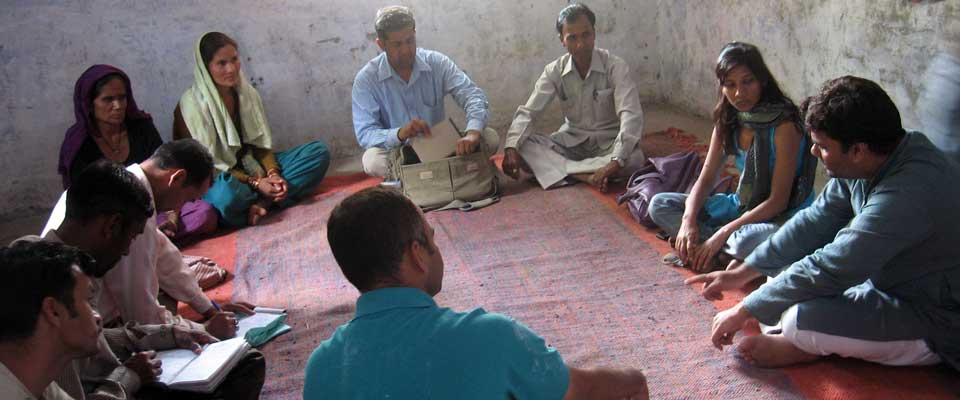
Repayment is more realistic when the loan matches the rhythm of dairy production. Group-based lending and peer support can encourage accountability while reducing isolation. Training in budgeting, animal health and enterprise planning helps borrowers protect their investment and make informed decisions.
Linking Buffalo Care With Better Livelihoods
Healthy buffaloes are central to reliable milk production. Practical support may include advice on nutrition, vaccination, breeding, hygiene, clean water and safe housing. These measures can improve animal welfare while reducing preventable losses for families with limited resources.
The program also recognises that pastoral livelihoods depend on access to grazing areas and forest resources. Economic support is therefore connected with SOPHIA’s wider work on forest rights, domicile rights, indigenous rights and community advocacy.
From Household Milk To Local Markets
Selling milk can become more profitable when women work collectively. Groups may coordinate collection, improve quality control, share transport and negotiate with buyers instead of accepting the first available price. Transparent weighing and payment records are important foundations for trust.
This model has useful parallels in Australia, where farmers’ markets in Melbourne, Brisbane and regional towns often reward traceability and direct relationships between producers and consumers. While the operating conditions differ, the principle is familiar: organised producers can retain more value when they understand their market and present a consistent product.
SOPHIA’s latest news and updates can help supporters follow how community livelihood projects develop over time, including the wider social and environmental context around dairy production.
Building Skills, Confidence And Resilience
Credit alone cannot address every barrier. Women need practical knowledge about calculating costs, setting aside repayments, identifying profitable sales channels and responding to animal health emergencies. Regular meetings can create space to share experiences and solve problems collectively.
Resilience also matters during periods of illness, price changes, restricted movement or extreme weather. In the Himalayan context, seasonal mobility and difficult terrain can affect access to fodder, veterinary services and buyers. Flexible planning helps women protect their enterprises when conditions change.
Measuring The Wider Impact
The success of a microfinance initiative should be assessed beyond the number of loans issued. Useful indicators include household income, repayment performance, herd health, milk volume, women’s control over earnings and participation in community decisions.
It is equally important to listen to borrowers. Their feedback can show whether loan terms are manageable, whether training is relevant and whether the program is reaching women who are often excluded from formal banking. Stories, photographs and field updates can complement financial data and present a fuller picture of change.
Practical Ways Australian Supporters Can Engage
Australian audiences can connect with this work through ethical consumption, community fundraising and informed advocacy. Australians are accustomed to supporting local producers through farmers’ markets, community-supported agriculture and cooperative buying, customs that can provide useful inspiration for understanding collective dairy enterprise.
Supporters seeking broader livestock enterprise perspectives may also explore livestock business resources while learning about the distinct cultural, ecological and economic realities faced by Van Gujjar communities.
Ways to contribute include:
- Sharing SOPHIA’s project updates with ethical investment, rural development and human rights networks
- Supporting flexible funds for women’s training, animal health and enterprise development
- Discussing indigenous rights and sustainable pastoralism in schools, workplaces and community groups
- Connecting SOPHIA with suitable Australian NGOs, universities or social enterprise partners
Responsible engagement should respect community priorities rather than impose outside business models. Strong partnerships begin with listening, clear communication and recognition of local knowledge.
Practical actions for Australian organisations include:
- Hosting a small community fundraiser through a local school, faith group or neighbourhood association
- Promoting fair, transparent supply chains and women’s economic participation
- Inviting speakers or educators to discuss pastoral livelihoods and forest rights
- Sharing relevant skills in bookkeeping, cooperative governance, communications or market research
SOPHIA’s microcredit work shows how appropriately designed finance can support buffalo husbandry, women’s leadership and sustainable rural livelihoods at the same time. Visit SOPHIA’s website, follow its community work and help build partnerships that place women’s knowledge, rights and enterprise at the centre of development.