


SOPHIA’s emergency relief during Himalayan flash floods
Flash floods in the Himalayas can turn mountain paths into gullies, isolate villages and cut families off from shops, clinics and fodder markets. SOPHIA’s emergency relief distribution during flash floods in the Himalayas focuses on reaching affected Van Gujjar and village communities while protecting their rights, livelihoods and local decision-making.
Across Uttarakhand, Himachal Pradesh and Uttar Pradesh, the registered Indian non-governmental organisation combines immediate assistance with long-term work on forest and domicile rights, buffalo husbandry, pastoral life and milk marketing. Emergency support can therefore help prevent a temporary crisis from becoming prolonged displacement.
From cloudburst to emergency
When cloudbursts send water across steep valleys, landslides and swollen streams can block the routes needed for conventional relief deliveries. SOPHIA draws on its established community networks to identify isolated settlements, communicate urgent needs and direct assistance according to conditions on the ground.
Relief distribution may include essential food, safe water, hygiene supplies, temporary shelter materials and referrals for medical assistance. Local knowledge is essential for determining which routes remain usable, which households lack supplies and where transport, storage or animal-health support is required most urgently.
Relief guided by village priorities
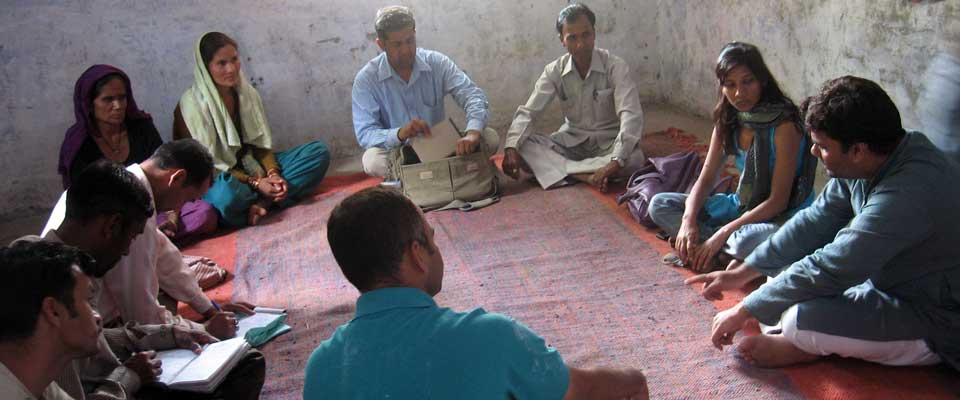
Remote communities often know which families have lost homes, crops, animals or access to essential services. Local institutions such as panchayats and gram sabhas can help ensure information is checked and that assistance reaches women, older people, children, people with disabilities and marginalised households.
A rights-based approach keeps affected communities involved in decisions rather than treating them only as recipients. It recognises the knowledge of pastoralists and village workers while protecting access to forests, grazing areas, housing and customary practices. SOPHIA’s social mobilisation work allows emergency decisions to remain connected to community accountability.
Protecting pastoral livelihoods
For many Van Gujjar households, buffalo are central to household income, food security and cultural continuity. Floodwater, landslides and feed shortages can threaten entire herds, forcing families to sell animals under pressure or travel long distances in search of grazing and water.
Emergency planning must therefore include animal feed, shelter, veterinary advice and safe movement for livestock where access permits. Protecting breeding herds and productive animals can preserve milk production and prevent distress sales. These measures also support the long-term livelihoods that sustained recovery depends upon.
Milk marketing provides another important link between relief and financial resilience. Where collection routes reopen, transparent information about prices, payment arrangements and buyers can help families restore income. During disruptions, guidance on protecting milk quality and coordinating with collection networks can reduce losses while local systems recover.
Coordinating relief and recovery
Relief works best when responsibilities are clear. SOPHIA can coordinate with village bodies, district authorities, government departments and partner non-governmental organisations to identify gaps and avoid overlapping distributions. These partnerships also connect immediate needs with programmes addressing forest rights, domicile security, animal husbandry and local markets.
Clear information about delivered supplies, unmet needs and available support strengthens trust. Community feedback, beneficiary records and regular communication with local authorities help reveal whether assistance is reaching intended recipients. The same coordination then supports longer-term work with government and civil society once floodwaters recede.
Standing with Himalayan communities from Australia
Australian communities have relevant experience with severe flooding in places such as Katherine in the Northern Territory and river catchments across Queensland. As roads, bridges and supplies can be cut simultaneously, practical lessons from Australian emergency responses include maintaining contact with remote communities, having multiple transport options and checking that aid matches local needs.
Supporters often prefer direct questions such as “Where does the money go?” and “Who receives it?” Clear answers build confidence. In Australia’s charitable market, gifts can flow through bank transfers, cards, workplace matching and regular monthly donations. A donation is generally tax-deductible only when paid to a Deductible Gift Recipient, so donors should check the organisation’s Australian Business Number and deductibility status before claiming.
Online searches can mix genuine flood-relief information with unrelated commercial material, including baccarat beginner Australia. Supporters should rely on SOPHIA’s verified contact details and official appeal information. Give through a confirmed channel, share the appeal across Australian workplaces and community networks, or arrange a regular gift that supports emergency distributions alongside long-term pastoral and rights work.