






Bringing veterinary medicines closer to pastoral communities
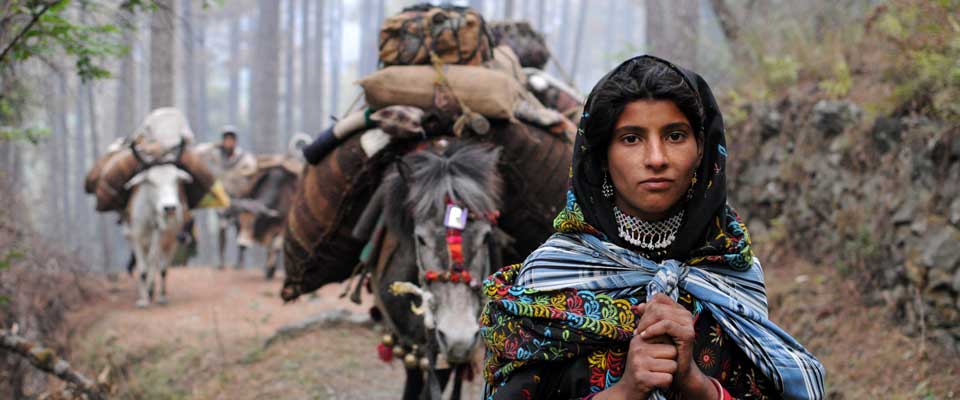
SOPHIA’s collaboration with local pharmacies to stock veterinary medicines can bring animal-health products closer to Van Gujjar and Himalayan pastoralists. Timely access matters when buffalo graze across forests and high-altitude pastures, where distance, transport and seasonal movement can delay treatment for injuries, parasites and illness.
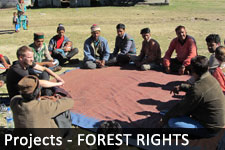
SOPHIA is an Indian registered non-governmental organisation working with Van Gujjar and Himalayan village communities in Uttarakhand, Himachal Pradesh and Uttar Pradesh. Its wider work supports indigenous rights, forest and domicile rights, sustainable pastoral livelihoods, buffalo husbandry and milk marketing. The overview of SOPHIA’s current projects shows how community empowerment connects field action with social mobilisation, advocacy, government engagement and NGO partnerships.
The aim is more than extra shelf space. Families need suitable products, clear instructions, safe storage, fair prices and a direct route to a veterinarian when a case requires diagnosis. Local pharmacies can provide a regular access point, while SOPHIA helps ensure stocking decisions reflect community priorities.
Why animal health matters to pastoral livelihoods
Buffalo are central to household income, food security and milk supply. A sick animal can reduce production, disrupt milk marketing and consume scarce household resources, making preventive and responsive care a livelihood issue as well as an animal-welfare concern. Seasonal grazing changes which conditions are most common.
Rights-based delivery matters too. Herders should be able to ask questions, report shortages and participate in decisions without fear that support will be withdrawn. Community representatives, animal-health workers, veterinarians and pharmacists need shared rules for referrals, feedback and accountability.
How the pharmacy partnership can work
The partnership should begin with a seasonal demand assessment using community reports, veterinary records, milk-cooperative data and feedback from nearby pharmacies. This can reveal recurring needs without turning slow-moving products into waste. Stock lists should be reviewed before seasonal migrations and at agreed intervals.
Eligible veterinary medicines and basic animal-health supplies can then be ordered through licensed channels. Prescription-only or veterinary-controlled items should enter only through authorised routes. A simple reorder system, supported by phone or SMS requests where connectivity is uneven, can link rural orders to participating pharmacies while recording batch numbers, prices and expiry dates.
Stocking safely and within the law
Every item needs clear labelling, suitable storage and a reliable expiry check. Pharmacy staff should know which products require temperature control and should separate them accordingly. Advice must stay within professional and legal limits: a pharmacist can explain directions supplied by a veterinarian, while diagnosis and prescription remain with the authorised clinician.
For buffalo kept for milk, medicine records should include treatment dates and veterinary instructions about milk-withdrawal periods. Herders need plain-language or pictorial guidance on dose, route, storage and warning signs. Stock should be checked for damage, contamination and short dates, with damaged items removed rather than sold.
Lessons from the Australian pharmacy market
Many Australians call a pharmacy a chemist, and neighbourhood chemists in Melbourne and Sydney are familiar retail destinations. Click-and-collect and parcel delivery are routine expectations. The market includes national chains Chemist Warehouse and Priceline alongside independent community pharmacies, so buying power, delivery reach and willingness to serve small rural areas differ.
Australian dairy districts such as Gippsland, western Victoria and pastoral New South Wales also depend on transport over long distances, creating parallels with remote Himalayan settlements. Veterinary supply in Australia is shaped by Australian Pesticides and Veterinary Medicines Authority registration and state and territory rules. Those systems offer useful comparison points, but they cannot be copied into India without local legal review.
Protecting trust, choice and community control
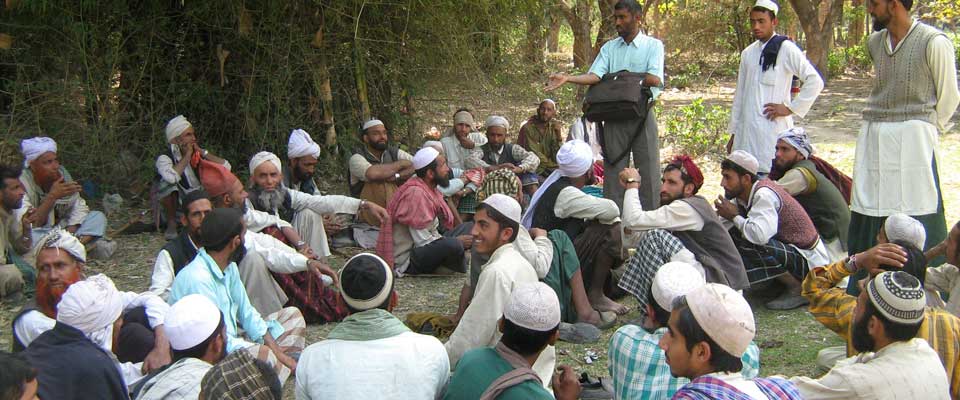
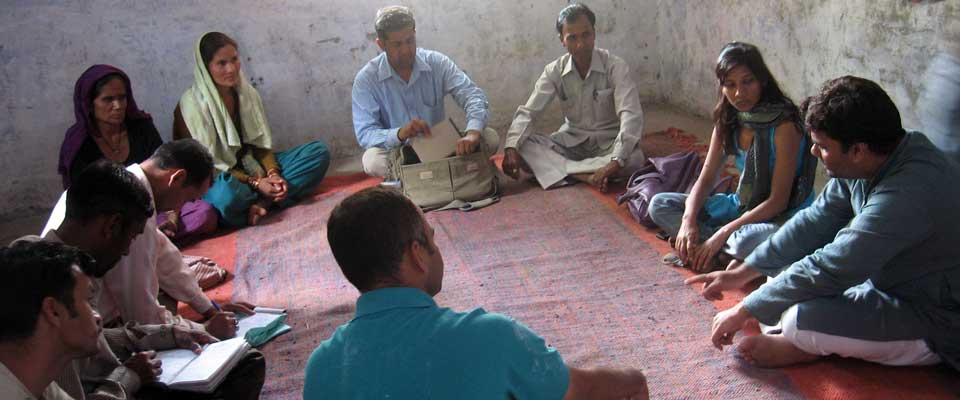
A medicine partnership should strengthen community authority, not replace it with outside decisions. Herders and milk cooperatives should help set priority products, acceptable prices and feedback channels. Pharmacists should offer clear information, while SOPHIA can connect questions about land, livelihood access and service quality with the appropriate local institutions.
Outreach must also avoid coercion. Where communication is framed as care but relies on guilt or obligation, the guide to disguised emotional manipulation offers a useful check on whether participation is genuinely voluntary. Consent should cover information use, photography, stock decisions and requests for household or animal data.
Recommendations for a practical medicine-access pilot
A pilot should be judged by reliable access, safe use and community confidence rather than by the number of products delivered. Useful safeguards include:
- Map seasonal medicine needs with herders, veterinarians and pharmacies.
- Select eligible, high-demand products with agreed reorder levels.
- Establish written referral and emergency protocols.
- Train staff in storage, labelling and milk-withdrawal guidance within their legal scope.
- Maintain simple stock, expiry, price and adverse-event records.
- Review stockouts, waste, prices and community feedback each quarter.
Baseline data should capture stockouts, delayed treatments and waste before expansion. Community representatives and veterinary professionals should review the results together, so future orders reflect actual use rather than assumptions about what remote communities need.
Back community-led veterinary access
Supporters in Australia can help by sharing SOPHIA’s work with community, veterinary and pharmacy networks, contributing practical supply-chain expertise, or funding product safety checks and local monitoring. Veterinary wholesalers, dairy cooperatives, pharmacists and Australian non-governmental organisations may be especially useful as long-term partners, provided local priorities and Indian regulations guide every arrangement.
The immediate action is to contact SOPHIA, introduce a relevant partner or contribute to a pilot that keeps products available, affordable and safely used. Stable local access can protect buffalo health, sustain milk income and strengthen pastoral communities’ control over essential services.