



SOPHIA’s campaign for grazing rights in wildlife corridors
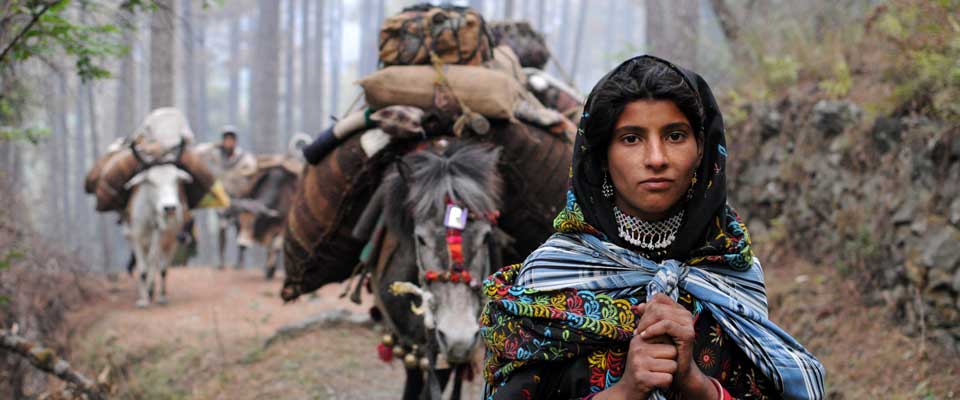
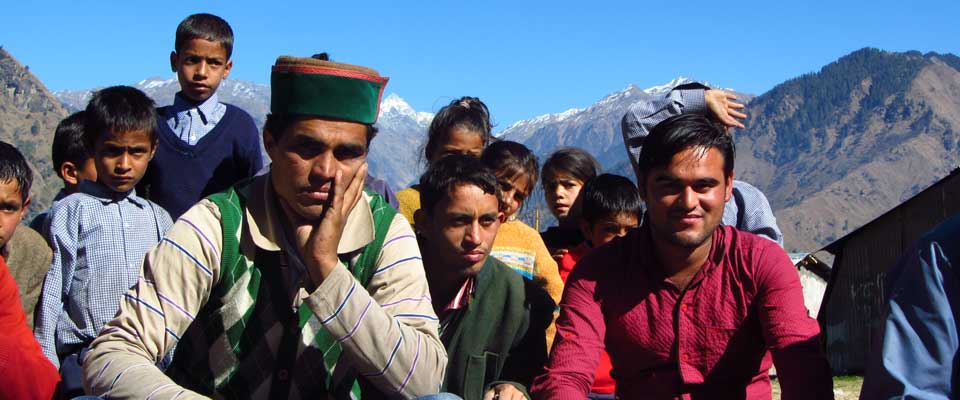
SOPHIA’s Campaign to Secure Grazing Rights in Protected Wildlife Corridors supports communities whose pastoral life depends on seasonal grazing. For Van Gujjar and Himalayan village communities in Uttarakhand, Himachal Pradesh and Uttar Pradesh, wildlife corridors can protect biodiversity while restricting buffalo herding, forest residence and movement between villages. SOPHIA, an Indian registered non-governmental organisation, helps communities secure rights that exist on the ground but remain poorly recognised in policy.
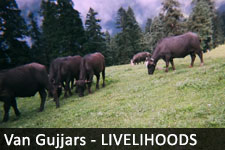
These communities hold detailed knowledge of forests, water, fodder and safe routes. Buffalo herds depend on seasonal mobility, while milk sales support household income. When corridor boundaries or access rules arrive without effective consultation, families can lose grazing areas, face fines or lose traditional routes. Conservation and livelihood are therefore connected questions, not opposing claims.
SOPHIA combines social mobilisation, rights-based projects, advocacy, government engagement and NGO partnerships. Community members document forest use and residence, participate in village decisions and present evidence to authorities. The aim is a durable settlement in which wildlife protection works and herders retain lawful access, participation and economic security.
For Australians, this campaign shows how environmental governance can respect Indigenous knowledge without treating communities as external stakeholders. Comparisons with Aboriginal and Torres Strait Islander governance are useful when they centre local authority. In Melbourne and Sydney, people often encounter ethical dairy claims and conservation campaigns while remaining unaware of the pastoral systems behind them.
Grazing access and the value of mobility
Buffalo husbandry is not a single-location activity. Herds move between village grazing lands, forest areas and water points as conditions change. A wildlife corridor can be ecologically sound yet still block routes or require permits herders cannot obtain. Rights to forest use and domicile must be considered alongside rules governing the wider landscape.
Paper maps can conceal how authorities divide responsibility for forests, wildlife, roads and land. Restrictions may differ between a protected area, buffer zone and adjoining forest even when a route looks continuous. Communities can carry conservation costs without access to decisions. SOPHIA supports clearer boundaries, meaningful consultation and workable arrangements instead of treating every restriction alike.
Community evidence in rights-based planning
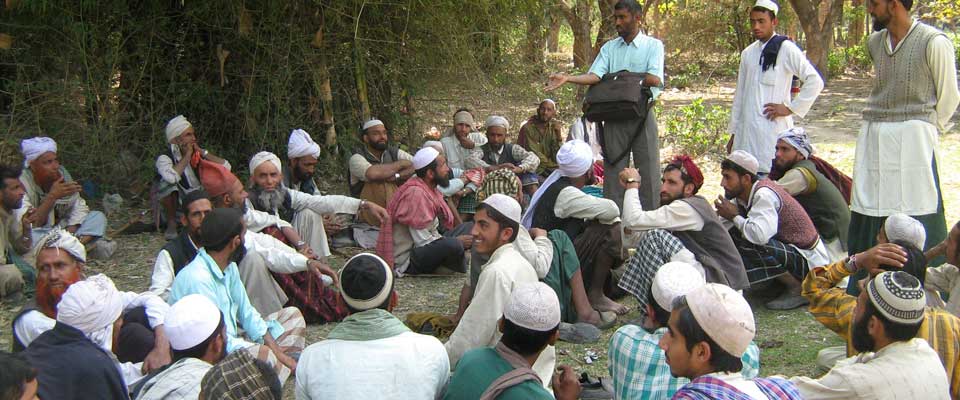
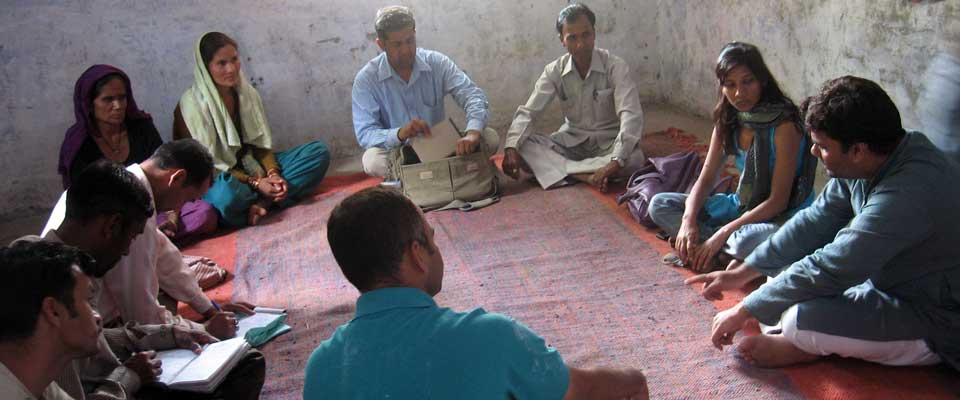
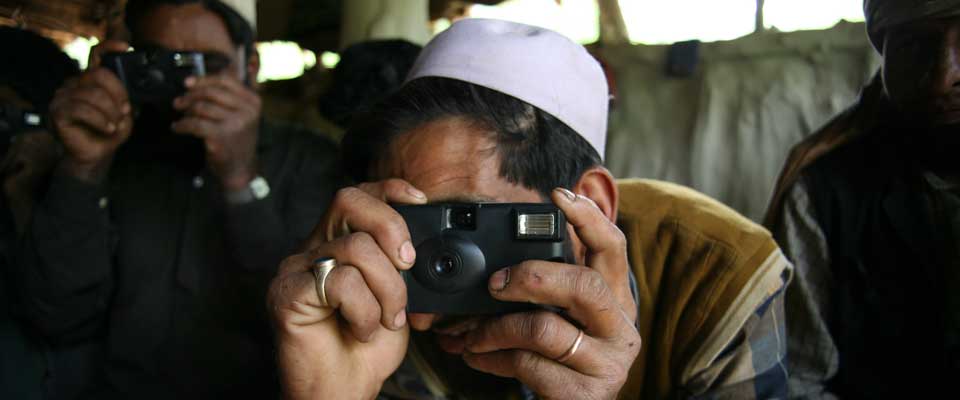
Reliable planning begins with knowledge held by herders, elders, women and milk producers about routes, seasons and resource use. SOPHIA helps communities assemble this evidence through participatory mapping and village discussions. Records can show where grazing is sustainable, where movement is essential and which restrictions cause harm, giving officials a concrete basis for assessment.
Advocacy carries this evidence into government and conservation consultations. Applicable rights depend on land status, notification, residence and consistency of community records, so legal review and local testimony must work together. Partner NGOs can contribute technical expertise while keeping community representatives central. The goal is recognition in decisions that affect daily life, not symbolic consultation.
Building value from buffalo milk
Protecting grazing access supports more than survival. Buffalo milk can provide steady income when collection, processing and marketing reflect community priorities. Cooperatives or producer groups can improve bargaining power, reduce exploitative middlemen and fund veterinary support or equipment. Clear records can also show that milk comes from a sustainable pastoral system rather than an anonymous supply chain.
Australian food markets reveal both the promise and limits of premium labelling. At farmers’ markets in Melbourne and Sydney, shoppers may pay more for “grass-fed”, “free-range” or “locally sourced” dairy, while supermarkets sell standardised volumes. Support for SOPHIA should not depend on distant consumers recreating local conditions. It can help communities set prices, strengthen milk marketing and negotiate fair terms with buyers.
Lessons from Australian conservation
Indigenous ranger programs in Arnhem Land and Central Australia show how cultural knowledge, paid stewardship and ecological management can reinforce one another. They are not a template for Van Gujjar communities, whose legal setting differs. The transferable lesson is that conservation works best when Indigenous community members hold authority, resources and long-term trust, rather than being consulted after decisions are made.
Australian governance offers practical channels for engagement because environment, agriculture and land-use responsibilities are spread across the Commonwealth, state or territory governments and local councils. Supporters can make submissions, contact representatives and question whether conservation funding keeps residents involved. Custom also matters: an Acknowledgement of Country at meetings and events recognises Aboriginal and Torres Strait Islander custodianship, but cannot replace consultation or material support. Partners should learn the communities’ own protocols and avoid presenting Australian practices as universal.
Support community-led grazing rights
Support this work by donating to SOPHIA, sharing verified information from its projects and media archive, or contributing skills in mapping, legal research, cooperative finance, translation and communications. Institutional partners can build longer relationships with the organisation and its NGO network. Collaboration should respect community leadership, transparent agreements and priorities set by Van Gujjar and Himalayan village representatives.
Australians can also advocate for rights-based conservation by asking federal and state representatives to question budgets that exclude residents and to support transparent partnerships with producers. Recognising protected wildlife corridors as living landscapes helps audiences move beyond a choice between animals and herders towards practical rights, stewardship and fair livelihoods.
Join the campaign by backing community evidence, fair milk markets and policies that keep residents involved in the future of the places they call home.