



When smoke changes the season: Van Gujjar movement
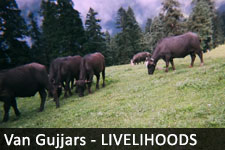
Van Gujjar families in Uttarakhand, Himachal Pradesh and Uttar Pradesh combine buffalo herding with seasonal use of forest and grazing areas. SOPHIA, an Indian registered non-governmental organisation, supports their indigenous rights, forest and domicile rights, pastoral livelihoods, buffalo husbandry and milk marketing through mobilisation, advocacy and government engagement.
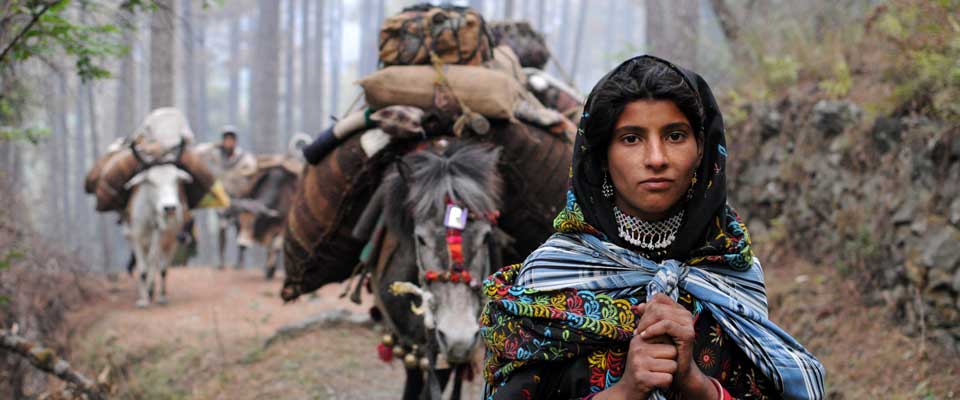
Seasonal movement is not one fixed procession. Families adjust departure dates to snow, fodder, water, household needs and market access. Forest fires affect migration timing and route choices when they bring smoke, remove shelter, close paths or make a planned journey unsafe.
Australian readers will recognise the tension between staying with livestock and moving away from danger. Bushfire smoke can reach Melbourne, while warnings close roads in the Victorian High Country. Yet the legal, social and market systems around each community differ, so Australian experience offers comparison rather than a ready-made solution.
Fire alters the seasonal clock
Fire changes the value of a forest slope. Burnt grazing may offer tender regrowth later, but immediately it can remove grass, browse and safe resting places. Buffaloes need feed and reliable water, while ash, hot soil and smoke can stress animals and people.
Some families therefore leave earlier, while others are delayed when a familiar corridor is closed. A forced early move can place herds near lower settlements before crop residues or fodder arrangements are ready. A delay exposes households to further burning, especially where several burns overlap.
Routes shift when the forest burns
Route choice becomes a calculation of distance, visibility, water, fuel and permission to pass. A detour may avoid a burn scar yet add hours, road-traffic risk and fodder costs. Temporary entry onto private or settled land can also create friction, making recognition of customary forest access and domicile rights essential.
In Australia’s Alpine National Park and nearby Victorian forests, closures and smoke can redirect walkers, stock contractors and emergency crews. Fire-affected herders need respiratory protection, eye protection and clothing suited to heat, dust and smoke. Australian supporters comparing outdoor protective clothing should check local conditions and certified equipment guidance rather than assume an improvised covering is sufficient.
Safety decisions happen at household level
Decisions are taken at household level, often with women, young people and paid workers carrying much of the practical burden. Herds may be split, children redirected, milk collection interrupted and camp equipment moved at short notice. A route that looks workable on a map can fail where a spring dries, a bridge burns or a slope becomes unsafe.
Reliable warnings must therefore arrive through channels people already use. In Victoria, residents speak of the fire danger period, fire restrictions and controlled “burning off”, while the Country Fire Authority issues alerts and warnings. Local radio, phone trees and visible road-closure notices can reinforce official information, but community reports remain essential.
Milk links migration to market risk
Milk turns movement into a livelihood decision. Families may sell through village collection points or nearby traders, and an earlier departure can disrupt volume, cash flow and buyer relationships. If animals cannot reach milk markets on schedule, losses extend beyond the herd to household income and shared community resilience.
Australian dairy farmers know a similar timing problem through tanker “milk runs”, processor schedules and road closures during fire events. Victorian milk supply depends on timely collection and processing, so even a short interruption can affect farm payments and downstream supply. For SOPHIA and its partners, the response can combine animal-health support, flexible collection arrangements and locally negotiated buyer continuity.
Community-led planning for fire-altered seasons
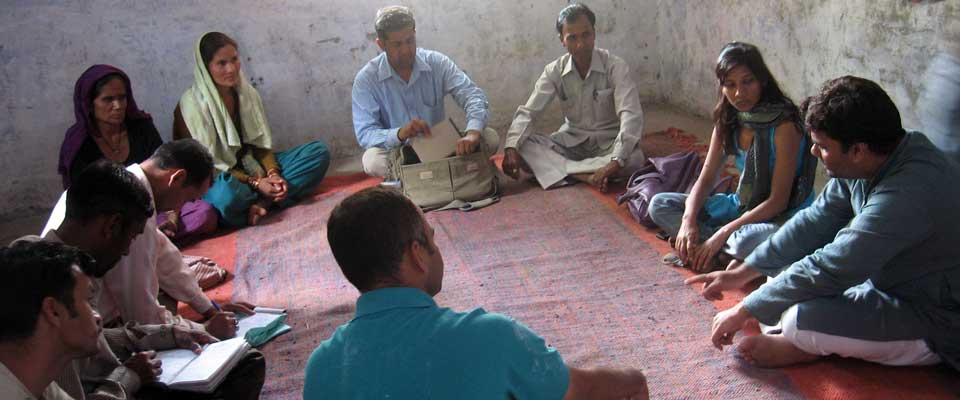
Community-led planning cannot predict every fire, but it can reduce harmful choices made under pressure. Seasonal calendars should record pasture condition, water points, safe winter shelters, customary routes and the households most exposed to sudden displacement. Local knowledge should be paired with fire maps, forecast information and clear government responsibilities.
Two sets of practical indicators can guide decisions:
Signals that may require a change of plan
- Smoke or flame is visible within a usual travel corridor
- A forest road, bridge or grazing access point is closed
- Fodder, water or shelter is damaged before the planned departure
- Herd health or family safety is worsening during a burn event
- The return date can no longer be estimated with reasonable confidence
Measures that reduce disruption
- Maintain community fire maps and alert groups using phones and local radio
- Identify alternate forest corridors, road detours and lower-elevation shelters
- Arrange fodder and water reserves, mobile veterinary support and animal evacuation
- Maintain flexible milk collection schedules and temporary buyer agreements
- Provide rapid contingency support and regular reviews with forest officials
Support SOPHIA by sharing verified information, funding community-led preparedness, contributing appropriate technical expertise or building partnerships with Australian institutions that work with Indigenous land managers. Fire response is strongest when herders retain authority over their routes and timing while authorities provide timely alerts, safe access and compensation for losses. Community priorities should guide that partnership from the outset.