




A Van Gujjar View of Modern Buffalo Milking Tools
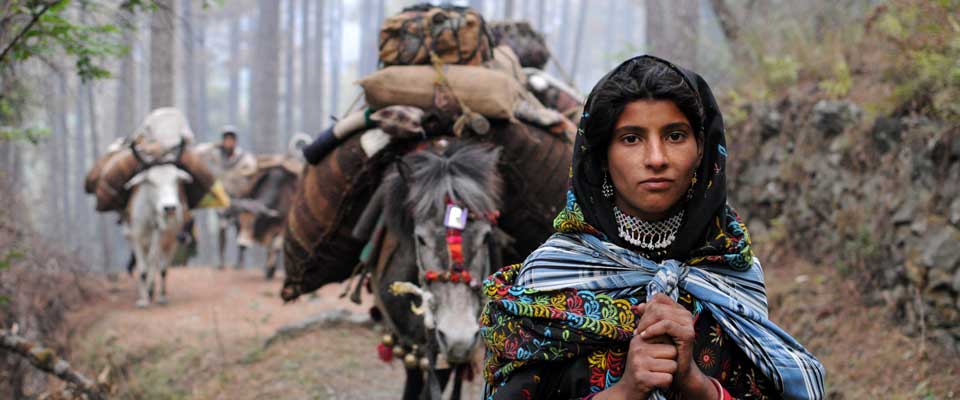
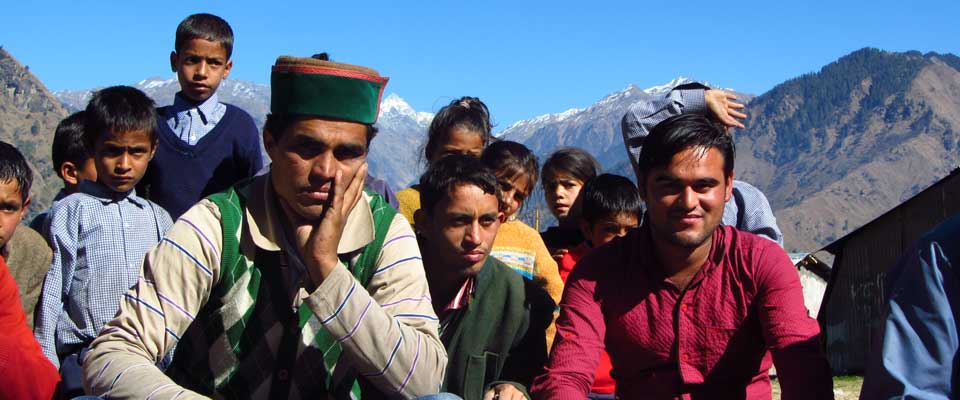
Among Van Gujjar and Himalayan village families in Uttarakhand, Himachal Pradesh, and Uttar Pradesh, buffalo keeping is woven into movement, household income, and food security. Milking is a daily relationship with animals whose health depends on care, seasonal grazing, and secure access to land.
A Van Gujjar’s Perspective on the Modernization of Buffalo Milking Tools starts with a practical question: does new equipment make the household safer and more prosperous? Progress matters when it reduces drudgery, protects buffaloes, improves milk safety, and keeps more control and income within the community.
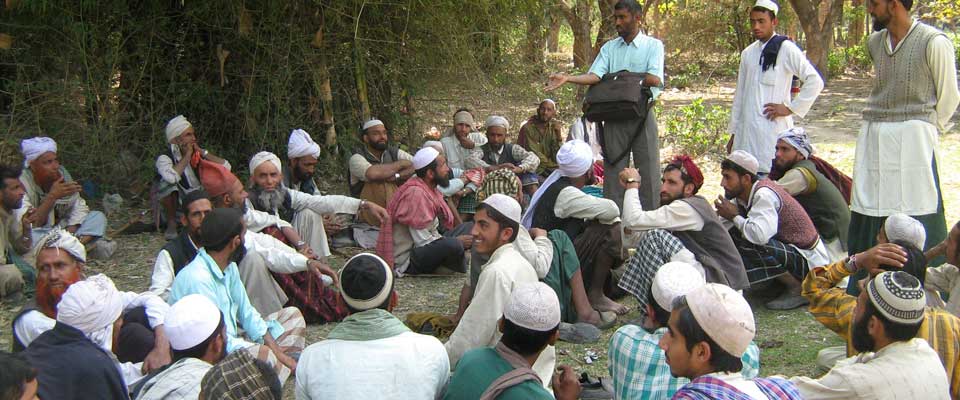
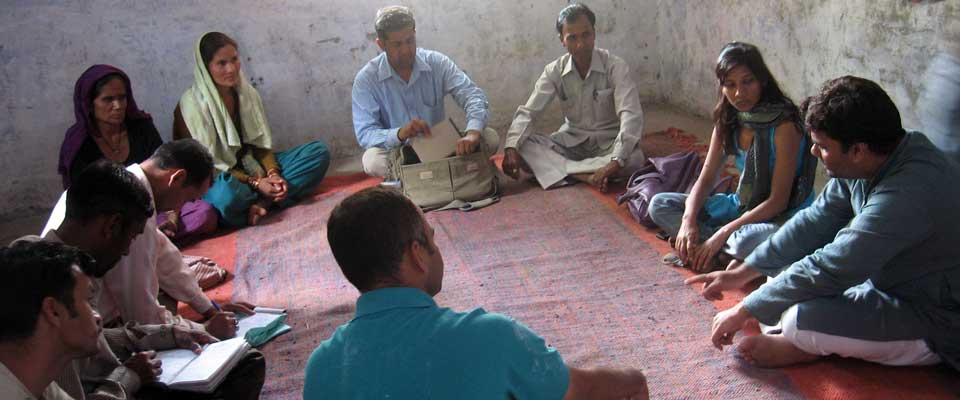
SOPHIA, a registered Indian non-governmental organisation, supports community-led work on indigenous rights, forest and domicile rights, pastoral livelihoods, buffalo husbandry, and milk marketing. Its rights-based approach helps communities evaluate technology on their own terms.
Milking follows the herd and the seasons
Van Gujjar milking practices follow the animals’ daily rhythm. Buffaloes may be brought from forest and village grazing areas, then milked by hand at home or a shared site. Familiarity allows handlers to notice changes in appetite, movement, udder health, and temperament before these become visible in a machine’s readings.
Small herds and uneven milk volumes make large automated systems awkward. A useful design must operate at household scale, tolerate interruptions, and survive dust, cold, and long journeys. Reliability at the point of use matters more than impressive capacity during a demonstration.
Modern tools must fit pastoral households
A milking cluster must suit buffalo anatomy, use controlled vacuum and gentle pulsation, and avoid pulling or squeezing teats. Hand milking allows handlers to feel blockages and respond immediately. Poorly matched equipment can cause injury, leakage, fear, and unnecessary stress.
Compact units, portable milking machines, milk testers, stainless-steel containers, and small-scale cooling systems may suit these settings better than imported full-scale parlours. Equipment should include local spare parts, understandable instructions, repair options, and training for the people who will operate it.
Clean handling protects value at every stage
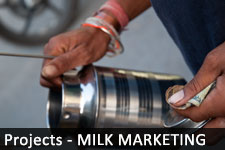
Clean milk begins before a machine touches the udder. Housing, hands, teats, containers, and milking surfaces all affect contamination risks. Stainless steel is useful because it is durable and washable, but it still requires proper sanitising, clean water, and disciplined storage.
Buffalo milk is often valued for its fat content and may need rapid cooling after milking. Simple meters can help families and buyers identify quality, reduce dilution, and negotiate a fair price. Better testing only works when results are transparent and communities control the data.
Household decisions shape every purchase
In many Van Gujjar households, women carry much of the work associated with milking, animal care, and milk sales. Shorter and safer routines can free time for food preparation, education, income generation, and rest, while improved market information can strengthen their position in negotiations.
A new machine can also redistribute control. If outside agencies select equipment without family consultation, or if maintenance arrangements remain unclear, purchased technology may create dependence. Procurement should include the people who use the tools, recognise their knowledge, and ensure that financial benefits reach the household.
Australian markets offer useful comparisons
Australian readers encounter dairy through a different system. Supermarkets in Melbourne and Sydney stock standardised milk cartons, while farmers markets and specialty cheese shops often foreground provenance, animal welfare, and direct relationships with producers. These markets reward consistency, traceability, and credible quality assurance.
Everyday urban habits provide another reference point. Apartment households in Canberra, Melbourne, and Sydney often have limited storage space, making compact, washable equipment and dependable refrigeration valuable. Many families also order groceries online, while cafés routinely use reusable stainless-steel jugs, demonstrating how sanitation and equipment familiarity influence food handling.
Regulation shapes the Australian dairy market. The Australia New Zealand Food Standards Code’s Dairy and Milk Products Standard covers sale and labelling, while state and territory food-safety laws regulate premises, pasteurisation, processing, and records. These frameworks offer lessons in accountability, but they should inform rather than replace locally appropriate systems.
Rights and animal welfare set the boundaries
Technology cannot weaken forest and domicile rights or accelerate herd concentration that leaves families dependent on purchased feed and water. Communities need information in local languages, trials led by herders, and a meaningful role in procurement. SOPHIA’s social mobilisation and government engagement can help make public schemes more responsive to pastoral realities.
Animal welfare is equally important. Buffaloes should be acclimatised gently, monitored for pain and injury, and kept with their calves whenever feasible. Equipment that raises output by frightening animals, damaging grazing access, or displacing people has not delivered sustainable modernisation.
A practical path for responsible modernisation
A community-led programme should begin with the priorities of herders and milk producers, then assess each tool against practical and social requirements.
- Co-design equipment trials with the people who milk, care for animals, and manage milk sales.
- Select compact, repairable units suited to herd size, climate, and available power.
- Provide practical training, local spare parts, maintenance funding, and clear warranty support.
- Measure milk quality, animal welfare, time saved, household income, and control over decisions.
- Connect equipment programmes with community marketing and recognition of pastoral rights.
Australian readers can support this work by engaging with SOPHIA’s projects and media archive, sharing community-led evidence, and contacting the organisation about partnerships or participation. Keep modern buffalo dairying in community hands and its value with the families whose animals, knowledge, and forests sustain it.