



From nomadic herds to rooted fields
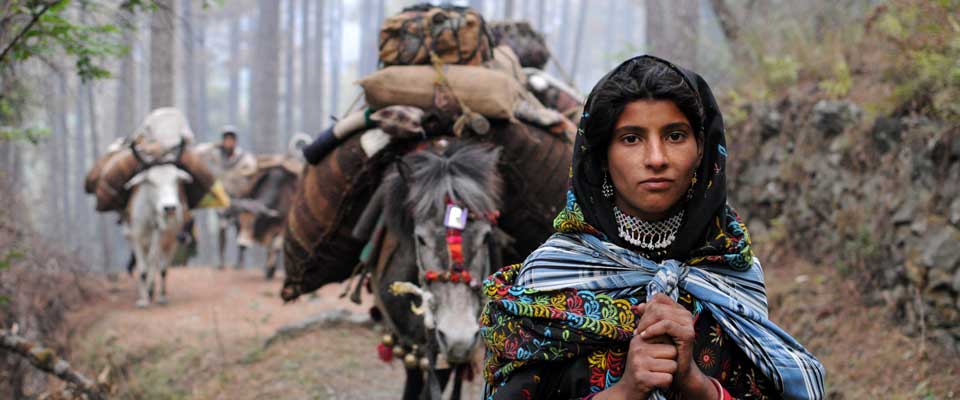
In the Himalayan foothills, the year is often shaped by movement. Buffalo herds follow seasonal grass and water between villages and high pastures. The journey of a Van Gujjar family from nomadic pastoralism to fixed agriculture is not simply a move from temporary shelter to a permanent house; it involves rights, markets, schooling, climate and pastoral knowledge.
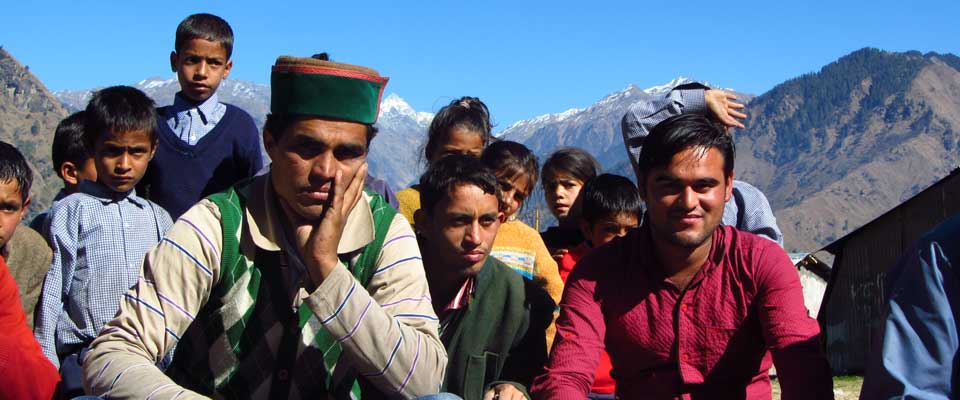
SOPHIA, an Indian registered non-governmental organisation, works with Van Gujjar and Himalayan village communities in Uttarakhand, Himachal Pradesh and Uttar Pradesh. Through rights-based projects, social mobilisation, advocacy, government engagement and NGO partnerships, it supports Indigenous rights, forest and domicile rights, sustainable pastoral livelihoods, buffalo husbandry and milk marketing.
Pasture, season and movement
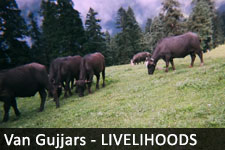
For many households, pastoralism is seasonal transhumance rather than constant travel. Herds move to high meadows when snow recedes and return to villages as conditions change. Access to forest and grazing commons depends on customary agreements, local institutions and cooperation among neighbouring communities.
Buffaloes provide milk, manure, income and movable wealth, while herders read pasture, weather and water through generations of practice. Yet roads, settlement expansion, forest boundaries and climate variability can shorten grazing routes or raise fodder costs. Families considering a permanent base must keep this mobility in view.
Why fixed cultivation becomes attractive
A settled field can make daily life predictable. Families may grow grain, pulses, vegetables and fodder crops where conditions allow, keep animals near the house, and reach schools, health services and communications more easily. A permanent home reduces the burden of moving household goods.
The economic pull is strong: a dependable milk buyer, nearby market and crop harvest can smooth seasonal gaps. Yet fixed agriculture requires tenure, water, seeds, tools, feed and veterinary care. Without secure forest access and grazing rights, a household may trade flexibility for greater risk.
A realistic transition can combine a house and small plot with seasonal herd movement, fodder cultivation and milk collection. This mixed livelihood preserves pastoral skills while improving access to services and letting households respond to weather and income.
Rights that make a home possible
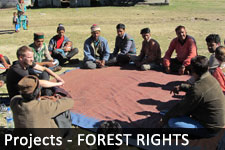
For a family investing in cultivation, recognised land or customary rights are more than paperwork. Forest and domicile rights, access to commons and protection from displacement determine whether investment feels safe. Recognising Indigenous rights also means recognising people whose knowledge has sustained mountain environments.
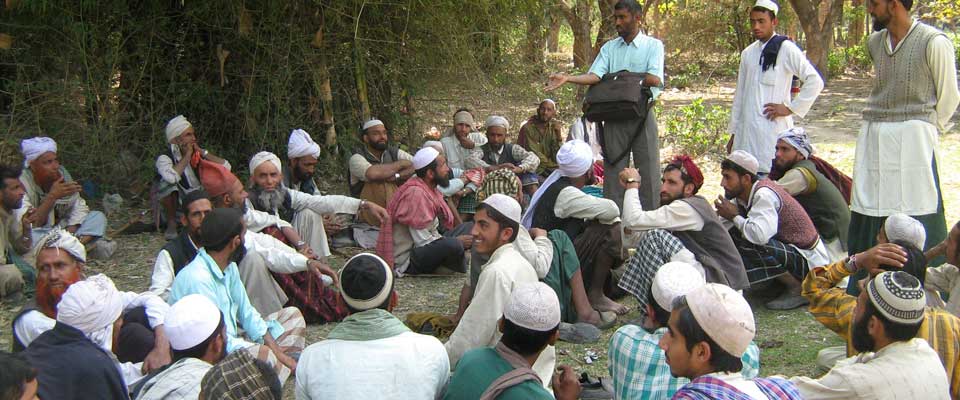
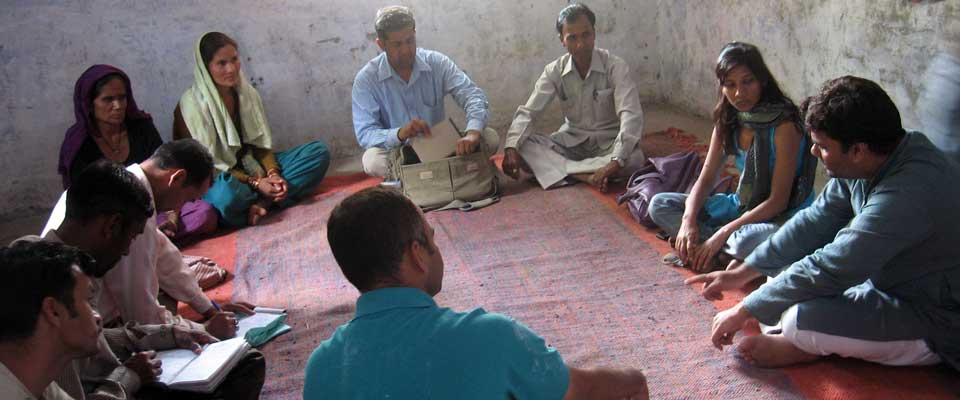
SOPHIA centres community mobilisation, evidence and government engagement. Local discussion can clarify claims and exclusions, while advocacy and NGO partnerships support safeguards, water, veterinary services, storage and market access. The goal is a locally chosen balance of settled farming and pastoral mobility, not a uniform model.
Buffalo husbandry and fair milk
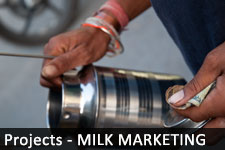
A permanent base can connect buffalo husbandry to regional value chains. Producers need collection routes, chilling, quality checks, transparent weighing and a buyer that returns a fair share of the final price. Cooperatives or producer groups can strengthen bargaining power when governance and payment records are clear.
Milk marketing should be planned alongside fodder, sheds, transport and animal health. Crop residues and cultivated fodder can support herds through lean months, while reliable milk income helps families plan planting, schooling and herd improvements. The aim is more choice for herders, grounded in ownership and trustworthy village-market links.
Lessons for Australian audiences
Australian readers may recognise the market rhythm. In Melbourne and Sydney, weekend farmers’ markets sell local cheese and yoghurt, while Woolworths and Coles supply pasteurised milk used in breakfasts, coffee and school lunches. Each choice links producers, animals, place and consumer trust.
Australian farmers face shocks that reshape pasture and income. Drought, bushfires and flooding across eastern Australia can alter feed costs and milk supplies, even when milk is bought in a city café or family kitchen. The distance between a supermarket shelf and a distant farm can make impacts hard to see.
The legal comparison is instructive but imperfect. Dairy labelling and sale sit within Australian Consumer Law and state food-safety requirements, while land and Indigenous rights involve federal and state law, including the Native Title Act 1976 in New South Wales and Victoria’s Aboriginal Heritage Act 2006. These frameworks do not map neatly onto Himalayan customary tenure, but they show how recognition can shape control over land and resources.
Paneer and other dairy foods are familiar in many Indian Australian family kitchens and restaurants across Brisbane, Melbourne and Sydney. That familiarity can support informed interest in buffalo dairying, provided campaigns respect Himalayan communities’ distinct ecological and legal setting.
Practical ways to support this transition
SOPHIA’s website provides information about its team, projects, communities and media archive, giving supporters verified context. The most constructive support is directed by community priorities and linked to accountable, rights-based work.
Learn and connect
- Read SOPHIA’s project and community pages on pastoralism, buffalo husbandry and milk marketing.
- Explore its media and photo archive for stories from Uttarakhand, Himachal Pradesh and Uttar Pradesh.
- Share accurate information with schools, local councils and community groups in Australia.
- Contact SOPHIA about current research, volunteering or partnership opportunities.
Support practical change
- Donate to a clearly identified community-led project.
- Support community-requested priorities such as water, animal health, milk collection, storage or fodder security.
- Ask dairy retailers and cooperatives about transparent sourcing and fair prices for producers.
- Build links with Indian diaspora groups, researchers and NGOs working on Indigenous rights.
Take one concrete step: visit SOPHIA’s website, select a project or issue, and offer a donation, partnership or information-sharing commitment. Backing secure rights, sustainable buffalo livelihoods and fair milk markets can help a Van Gujjar family build a secure future while retaining pastoral knowledge.