

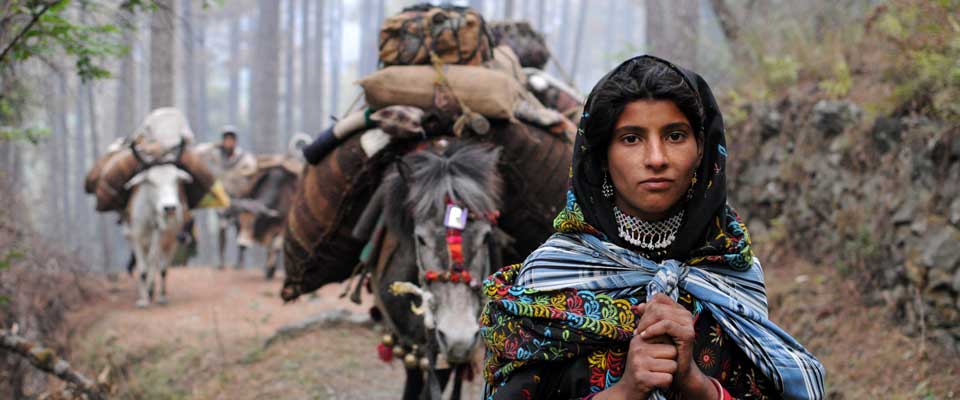

A young Van Gujjar woman becomes a community health worker
High in the Himalayan foothills, where Van Gujjar families move with buffalo and depend on forest produce, health care can be a long journey from the nearest clinic. A young Van Gujjar woman who becomes a community health worker changes that distance: she brings advice, referrals and encouragement to families where they live.
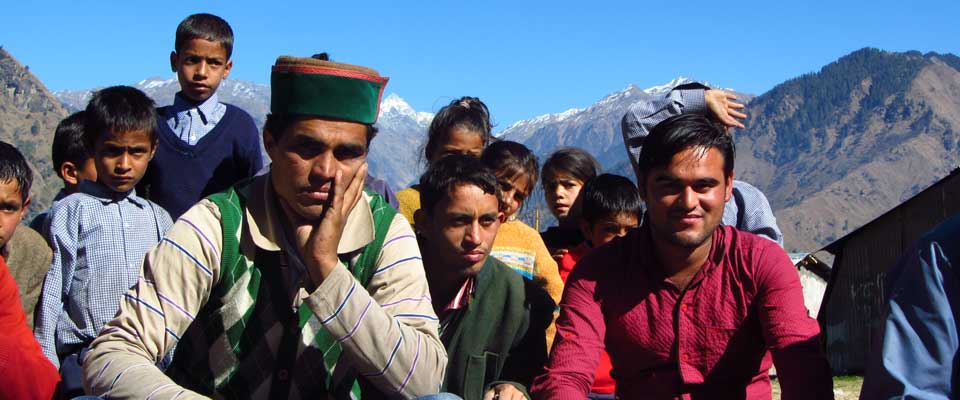
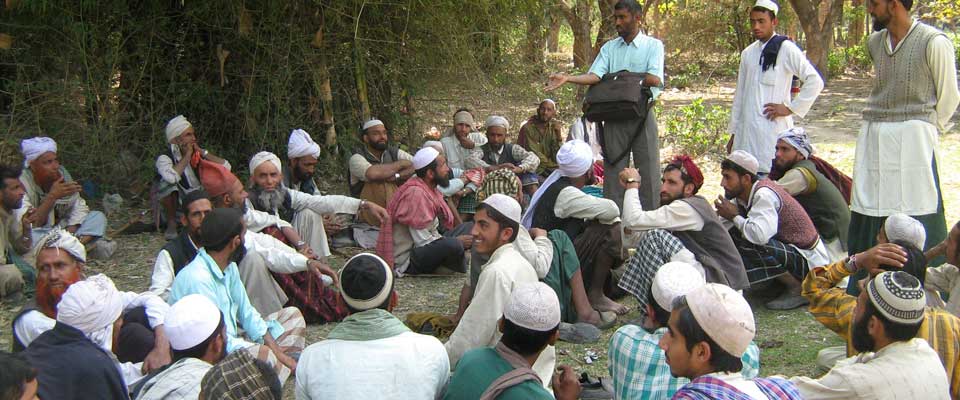
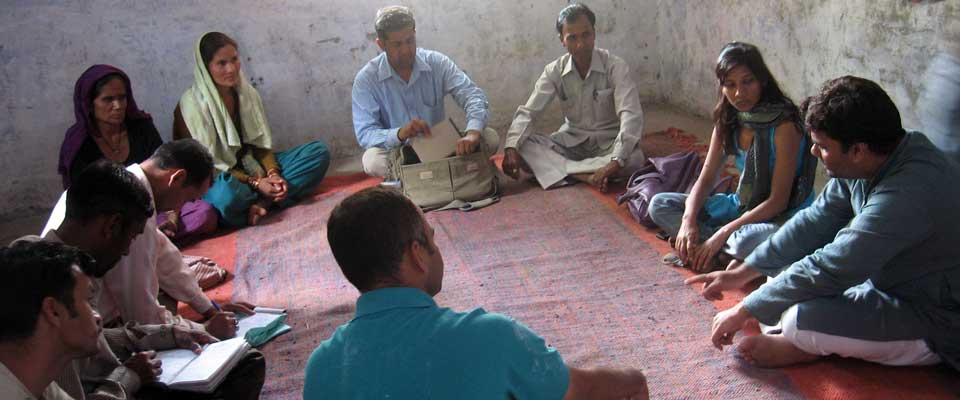
Her story sits within the setting of SOPHIA’s work with village communities in Uttarakhand, Himachal Pradesh and Uttar Pradesh. This representative portrait reflects a wider movement towards indigenous rights, accessible primary health care and sustainable pastoral livelihoods.
Rooted in Himalayan village life
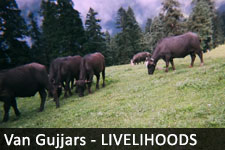
She belongs to a community whose seasonal rhythm is shaped by buffalo husbandry, migration and surrounding forests. Village life brings practical challenges: distant health centres, roads that become difficult after rain, limited transport and families balancing income from milk with the needs of their herds.
For a young woman, those realities also influence her choices. Household responsibilities can restrict movement and participation in public work, while unfamiliar official procedures can make services harder to access. Community health work gives her a recognised role that connects pastoral experience with public health.
A new route into primary health care
Her path may begin with practical training rather than a formal medical degree. The work resembles that of an ASHA worker, or Accredited Social Health Activist: visiting homes, sharing health education, supporting antenatal care, helping families access immunisation and treatment, and referring people to doctors, nurses or anganwadi centres.
Effective outreach requires more than technical knowledge. She learns to listen across generations, recognise when a family is worried about money, and explain why handwashing, safe water, nutrition and early treatment matter. She becomes a bridge between a Van Gujjar settlement and formal health services, turning official guidance into everyday actions.
Health work that reaches families where they live
A mobile phone can be as important as a medical bag. Through calls and messages, she reminds mothers about check-ups, helps arrange immunisation, shares information about health campaigns and checks whether anyone needs a referral. Her aim is continuity between home and clinic, rather than replacing trained clinicians.
Her presence can be especially important for pregnant women, newborn babies, older people and those managing tuberculosis or other continuing conditions. A trusted neighbour can notice warning signs, encourage early treatment and reduce missed appointments. These preventive and maternal and child health gains can be as valuable as treating an illness after it becomes severe.
Health linked to rights and livelihoods
Community health is stronger when families can meet their basic needs. SOPHIA’s broader approach connects health awareness with indigenous rights, forest and domicile rights, and sustainable pastoral livelihoods. Protecting access to grazing areas and forest resources supports the buffalo herds that provide milk and household income.
Milk marketing adds an economic dimension. Better prices, collective bargaining and reliable links to processors can help families retain more value from what they produce. A community health worker’s role can also involve encouraging women’s participation in village decisions, while social mobilisation helps residents understand their entitlements and approach government services with collective confidence.
What this story means in Australia
Many Australians encounter community-led health through Aboriginal and Torres Strait Islander health services, where Aboriginal and Torres Strait Islander health workers hold trusted roles within primary health care. The communities and legal histories are distinct from those of Van Gujjar pastoralists, yet both demonstrate the value of local relationships and cultural authority in making health guidance relevant.
Rural realities have Australian echoes. A dairy farmer in Victoria’s Goulburn Valley might talk about dairy check-offs and the milking run, while families in Tasmania’s north-east or the Riverina navigate long journeys to services. Medicare, bulk-billing general practitioners and local health networks shape access here, yet distance, transport and cost still influence who receives timely care.
Australia’s giving market includes registered charities offering tax-deductible receipts and direct transfers to overseas organisations. Donors should check how funds are handled before transferring money, and this overview of verifying donation impact offers useful questions to ask.
Respectful ways to engage
- Learn how SOPHIA and its partners support village communities before offering assistance.
- Ask how project funding, safeguarding and informed consent are handled.
- Where possible, choose recurring support that allows local partners to direct resources towards changing priorities.
- Work through recognised civil-society channels rather than bypassing community organisations.
Checks to make before giving
- Confirm current registration, banking details and named contacts with the receiving organisation.
- Request a clear budget, activity plan and reporting schedule for the proposed gift.
- Ask how health information, children’s images and personal stories are protected.
- Check that photographs and interviews are published with informed permission.
Stand with community-led health and rights
Backing community health in the Himalaya means backing women to exercise authority in decisions affecting their families, herds and futures. It also means protecting forest and domicile rights, grazing access and pastoral livelihoods that help communities withstand market uncertainty and a changing climate.
Australians can act by exploring SOPHIA’s project and team information, contacting the organisation about partnerships, advocacy, volunteering or financial contributions, and sharing this story with people who value community-led rights work. Choose a transparent contribution route and help ensure that the woman’s experience is represented on her own terms.