



Designing Van Gujjar tents for fast setup and dismantling
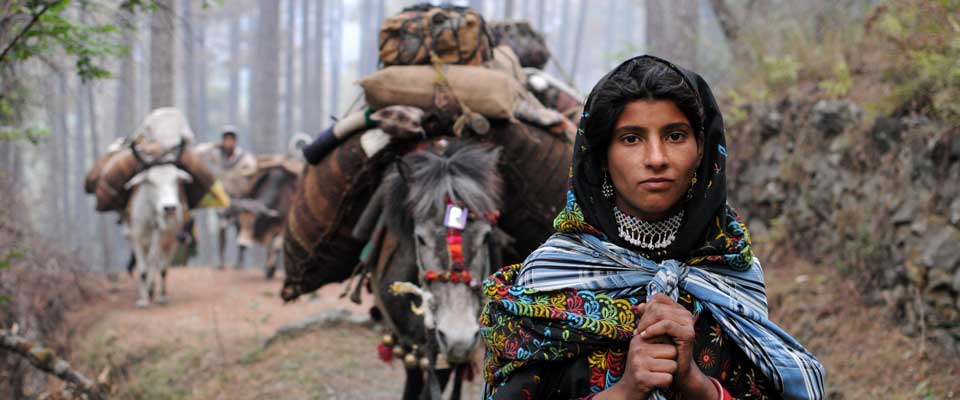
Tucked into the folds of the western Himalayas, the Van Gujjar community has practiced transhumance for centuries, moving buffalo herds between the foothills of Uttarakhand and the high meadows of Himachal Pradesh every year. Their distinctive double-sloped tents dot riverbanks and forest clearings and sit at the centre of their identity, alongside the animals they tend. These are not houses but flexible shelters engineered for a life spent following grass, water, and season.
What makes a Van Gujjar tent remarkable is its design philosophy. Every rope, panel, and pole exists to make the shelter strike and reappear as quickly as the herd demands. It opens a window into how indigenous communities design for resilience long before the word sustainability entered common usage.
Roots of Van Gujjar pastoral mobility
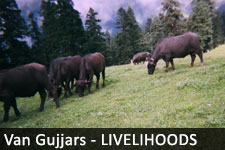
For the Van Gujjar, home is rarely a fixed plot of earth. Spring sends them up to alpine bhundiyars to graze through summer; autumn draws them back to the bhabhar forests near Ramnagar. This vertical migration has shaped every part of their material culture, from milk pails to sleeping mats. A tent that took a day to erect would be impractical when the herd needs fresh pasture.
Children learn the layout of the tent before they learn to read. Elders pass down the sequence in which poles rise, how ropes anchor, and how goat-hair panels overlap to keep rain out. Such design only endures where the architecture itself rewards speed, much like the portable camps of stockmen on Queensland cattle stations during the annual musters.
Materials that make packing light possible
The traditional tent is woven from long strips of black goat hair, prized for its water-shedding quality and insulation against Himalayan cold. The fabric comes off the loom as long rolls that fold like a blanket. Wooden poles, usually straight sal or pine saplings gathered en route, slot together without nails or metal fittings.
Ropes are spun from hemp or nettle fibre, and knots are chosen so they can be undone with a single pull. Nothing requires tools heavier than a knife, and no component weighs more than one adult can carry. The logic feels familiar to anyone who has unrolled a swag at a Flinders Ranges camp or pitched a fly sheet during a Darwin wet-season downpour.
Weathering Himalayan seasons
The Himalayas demand an immediate response to weather, and the Van Gujjar tent is built to give one. When a western disturbance dumps snow above 3,000 metres, families can fold the structure, load it onto buffalo, and reach lower ground within hours. In monsoon rains, the same shelter can be struck and re-pitched on drier ground before the next deluge.
Speed is a survival trait. The two slopes are pitched at different angles so strong winds cannot lift the fabric, and the goat-hair weave tightens in rain rather than sagging. These choices accumulate into a shelter that adapts within an afternoon, a feature bush travellers recognise from quick-strike tents on wet-season crossings.
Designed around buffalo herds
A Van Gujjar tent is rarely set up for the family alone. Calves are kept under the same canopy in cold weather, and milking takes place at the entrance where buffaloes are tethered to a central pole. The footprint is calibrated so one adult can lead a restless animal out without dismantling anything.
This integration between shelter and herd explains why dismantling is so central to the design. When grass runs out or a tiger alarm sends the herd running, the tent must follow within minutes. The same logic governed the layout of outback station homesteads around Bourke or Longreach, where kitchen, horse yards, and drover's quarters were positioned for quick departure.
Lessons from the Australian outback
Australian readers may see echoes of their own pastoral heritage in the Van Gujjar tent. The humpy, a low shelter of branches and bark used by colonial-era bushmen, served the same role in places where permanent buildings were impossible. Aboriginal communities in the Kimberley built windbreaks designed to be assembled, used, and abandoned as seasons shifted.
The comparison is more than cultural curiosity. Both Van Gujjar families and remote Australian pastoralists have learned that a shelter too heavy to move becomes a liability. The Van Gujjar approach of layered goat-hair panels offers a model of low-impact design that contemporary bush architects in Melbourne and Adelaide are beginning to study for off-grid housing prototypes.
Women holding the design knowledge
The skills of weaving goat hair, measuring panels, and tying the right knots are passed down almost entirely by women. A grandmother teaches her granddaughter how to size it to the buffalo count and position the door away from the wind. It is more than craft; it is a living archive of ecological knowledge refined over generations.
Programmes supporting women's vocational training across South Asia recognise that when women lose access to traditional livelihoods, entire knowledge systems collapse. The same dynamic plays out in remote Australian communities, where Indigenous women's weaving circles in places like Ernabella have revived traditional tjanpi techniques for both cultural and economic reasons. Supporting women means safeguarding the architecture itself.
Modern threats to traditional tent-making
Today, the traditional tent faces pressures from several directions. Cheap plastic tarpaulins from regional markets in towns like Dehradun and Shimla are replacing goat-hair panels in many families, because they cost less even though they last only a few years. Government resettlement schemes, forest rights claims, and shifting grazing policies are also pushing some families toward more permanent housing.
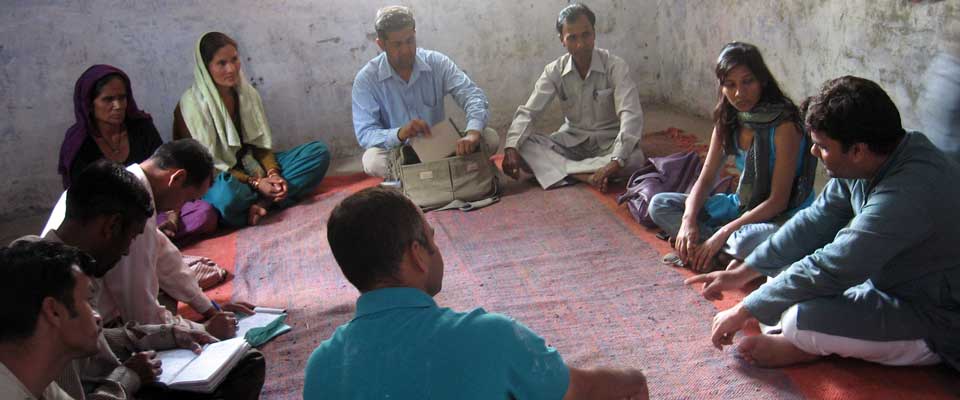
SOPHIA works with these communities on a range of challenges, including forest rights claims, domicile certificates, and milk marketing for buffalo herders. Protecting the tent is part of protecting the entire pastoral system, because once the design knowledge is lost, it is very difficult to recover.
If the idea of portable, climate-ready shelters built by communities themselves speaks to you, consider visiting the SOPHIA website to learn more about its work with the Van Gujjar and Himalayan village communities. Volunteers, donors, and partners are always welcome, and the stories of these resilient families are worth hearing.