



Why Van Gujjar Families Are Putting Down Roots near Towns
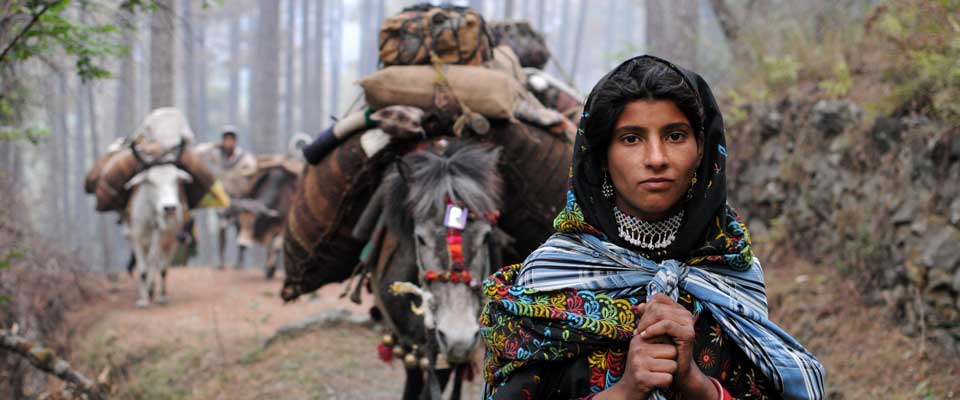
A seasonal rhythm has long defined Van Gujjar life in the Himalayan foothills. Each summer, families herded buffalo toward cool alpine meadows, then descended into the Shivalik forests before winter set in. Today, a growing number of these pastoral households are trading the migratory cycle for fixed homes on the outskirts of regional centres such as Haridwar, Pauri and Dehradun. The change is gradual, family by family, but its causes deserve a closer look.
Across the world, mobile indigenous communities are navigating a similar turning point. In northern Australia, Aboriginal people from places like Wadeye and Borroloola have long travelled between homelands and regional hubs such as Darwin and Katherine, weighing cultural obligations against practical needs. The pressures shaping those choices echo through the Indian Himalayas, where schools, clinics and milk collection centres have started to anchor families in one location.
For Australian readers who have watched the growth of towns like Alice Springs or the depopulation of pastoral stations across western Queensland, the pattern is recognisable. When transport improves, services concentrate, and pastoral incomes shrink, even deeply rooted people find reasons to stay put. Van Gujjar families are weighing the same kinds of trade-offs, from Medicare-style clinic access to the lure of a regular wholesale milk contract.
This article explores the mix of push and pull factors behind the shift, drawing on SOPHIA's long engagement with Van Gujjar and Himalayan village communities across Uttarakhand, Himachal Pradesh and Uttar Pradesh. The aim is not to celebrate or lament the change, but to make sense of a decision reshaping community life.
Education becomes harder to follow on the hoof
The winter migration traditionally pulled Van Gujjar children out of school for months. Fixed villages near towns make it easier for kids to attend classes from April to March without interruption. Parents who watched older siblings fall behind now push for continuity, treating primary schooling the same way many Australian families in Kalgoorlie or Mount Isa treat access to a senior campus, as worth a permanent address.
Boarding schools have long been an option, but separation at age six feels harsh when a parent's buffalo camp lies only a few kilometres away. Settling on the edge of a town lets children walk to a Hindi-medium school, then return home for the evening. Older siblings often help with milking before class, keeping pastoral skills intact even as the calendar changes.
Clinics that stay open all year
A trained nurse in a permanent health post sees far more patients than a mobile van passing through a forest clearing once a month. Settled families can reach antenatal care, childhood vaccinations and treatment for buffalo-related injuries without a long walk back to winter quarters. The logic is familiar to readers in Australia, where remote clinics in places such as Tennant Creek or Broome have reshaped Aboriginal health outcomes simply by being predictable.
For elderly relatives, the change can mean managing diabetes on a stable diet rather than relying on whatever seasonal food is at hand. Newborns gain access to immunisation schedules broken by old migration patterns. The medical case alone, in many households, has tipped the balance.
Buffalo becomes a business with a daily route
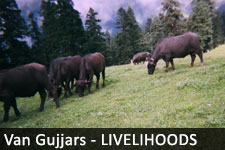
Milk marketing has opened a clear commercial case for staying put. Bulk chilling centres near towns pay regular rates for buffalo milk, which is then funnelled into urban dairy supply chains serving Delhi and Chandigarh. The Australian parallel sits in contracting models that move milk from Tasmanian or Gippsland farms to processors in Melbourne, where the buyer waits at a known spot.
A few kilometres from a chilling centre, a family can earn a monthly income that rivals a full season of forest grazing. Buffalo still graze nearby on rented land, but the household itself does not pack up twice a year. Woolworths-style supply discipline makes a sedentary timetable more profitable than a wandering one.
Forests that cannot carry as many herds
Forest cover in the Shivalik hills has thinned, and grazing rotations that worked a generation ago no longer hold. Plantation forestry, encroachment and stricter forest department rules have shrunk the winter pasture base, much as changed land use has stripped productivity from parts of outback Queensland near Longreach.
When pasture is limited, herd sizes shrink, and a family cannot afford the labour of constant movement. A fixed base near a town also opens access to government veterinary camps, fodder supply shops and small-scale crop farming that supplements milk income. The forest still matters, but as a seasonal reserve rather than a winter home.
Identity cards and domicile recognition
Domicile certificates, ration cards and Aadhaar registration are far easier to obtain from a fixed address. Many service schemes, including housing support and forest rights claims, reward documented residence. The pattern is reminiscent of how Aboriginal Australians fought for, and won, recognition as citizens on Country rather than as wanderers on the margin.
Settled families find it easier to enrol children in welfare schemes, apply for land titles and pursue forest rights claims under the Forest Rights Act. Paperwork that once required a relative's address in town can now be filed from the family home. The dignity of a recognised address, as much as any subsidy, draws people in.
How support programs are responding to the shift
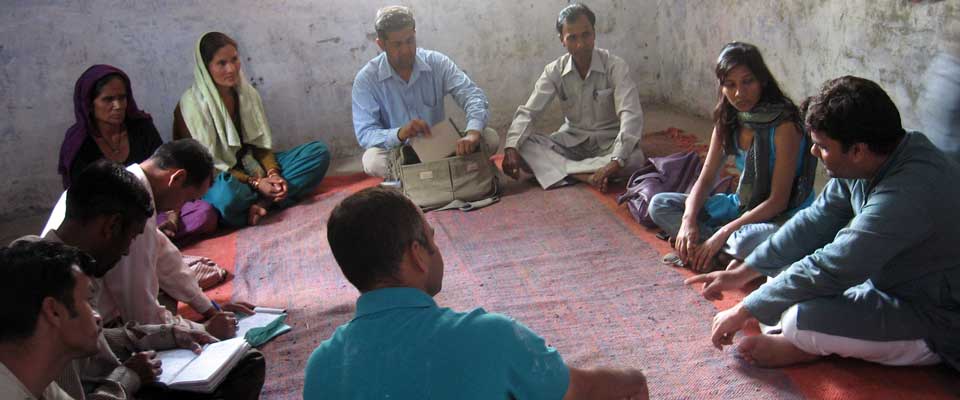
SOPHIA and partner organisations have had to rethink their pastoralist work. Programs now combine land rights advocacy with milk marketing infrastructure, run training on dairy hygiene and host meetings in both forest camps and peri-urban settlements. The shift has prompted a re-examination of the values that guide the work, visible on the mission and principles page of the organisation.
Where families settle, projects help secure water access, build durable housing and link households with local dairy cooperatives. Where families prefer to keep migrating, projects continue to support mobile schools and grazing permits. The goal is choice rather than coercion.
Culture does not have to move with the house
Choosing a fixed address near a town does not mean abandoning Van Gujjar identity. Many settled families keep buffalo, brew traditional tea, speak their dialects at home and travel back to higher pastures for weddings and festivals. Indigenous Australians living in suburbs of Adelaide or Perth often describe a similar dual belonging, firmly rooted in a city street while spirit stays connected to Country.
What changes is the daily geography, not the cultural inheritance. Children can still learn seasonal buffalo care from grandparents, traditional songs can still mark a naming ceremony, and clan ties still pull relatives back and forth between town and forest. The settlement decision is a practical one, and culture adapts to fit.
Reasons families give for settling near towns
- Year-round schooling for children without missing the migration window
- Reliable health care and immunisation schedules
- Daily milk sales to nearby chilling centres at stable prices
- Shrinking forest grazing area and tighter permit rules
- Easier access to domicile certificates, ration cards and welfare schemes
- Reduced physical strain on elders and young mothers
Ways settled families keep cultural ties strong
- Keeping buffalo herds nearby and grazing them on rented forest patches
- Hosting seasonal weddings and naming ceremonies in higher pastures
- Speaking Garhwali and other mountain dialects at home
- Visiting sacred groves and ancestral sites during festivals
- Teaching children seasonal herding skills on weekends
- Joining forest rights committees in both settlements and winter camps
Stand with SOPHIA's pastoral communities
If you are an Australian reader who wants to walk alongside Van Gujjar families navigating these changes, there are practical ways to help. SOPHIA welcomes donations, volunteer partnerships and advocacy support that strengthens both settled and migratory households. Visit the SOPHIA website today to explore current projects, read team profiles and find a role that fits your skills and time.