




Wild Greens of the Foothills: Knowledge Held by Van Gujjar Women
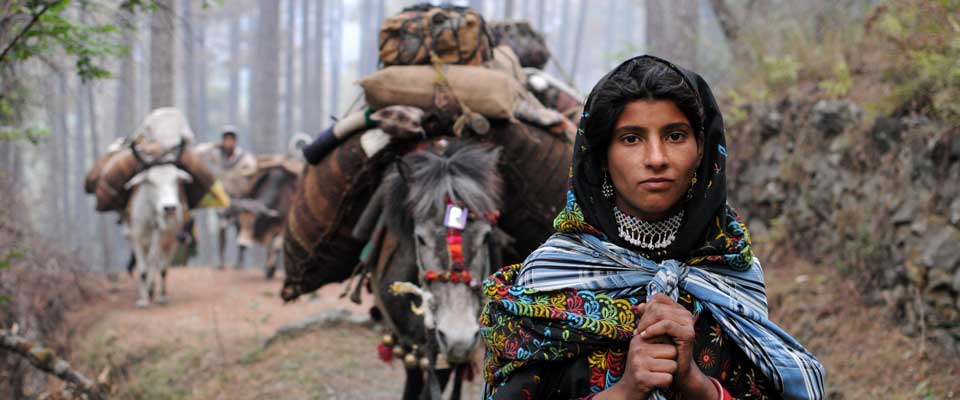
For centuries, women of the Van Gujjar community have moved with their buffalo herds between the foothills and high meadows of the western Himalayas, gathering wild greens after the monsoon. Their knowledge is a living library of agroecological wisdom, passed from mother to daughter in oral form, with no written record.
In a single walk through sal and oak forest near Ramnagar, a woman can collect a dozen species, from tangy Rumex leaves to fiddlehead ferns and peppery Chenopodium tips. Many are richer in iron and antioxidants than cultivated cousins, quietly supplementing diets that would otherwise lean on stored grain.
For readers in Melbourne or Sydney, this can sound like another world, yet parallels with Australian bush food culture are close. Aboriginal women across the continent carry similar knowledge of native greens such as Warrigal spinach and native parsley, revived by restaurants like Attica and the communities themselves.
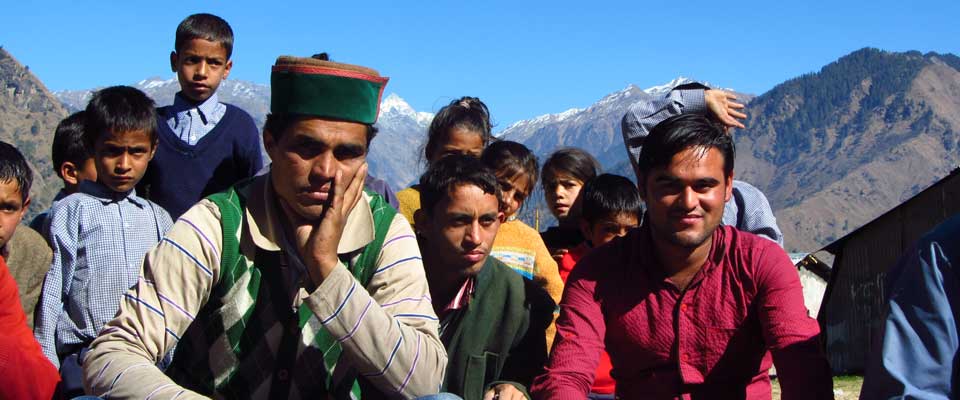
SOPHIA, an Indian non-governmental organisation working across Uttarakhand, Himachal Pradesh, and Uttar Pradesh, has spent years walking alongside Van Gujjar women, recording what they know while supporting efforts to keep grazing and gathering rights alive.
The Forest as Kitchen
The Van Gujjar year is written into the seasons of the forest. In late autumn, families descend from high bugyals to the Shiwalik belt, where buffaloes graze on badi leaf and women forage tender shoots. By spring, the land is scattered with greens ready for harvest, and the forest functions as a kitchen garden.
A typical spring meal combines stinging nettle with lentils and local garlic, alongside young Amaranthus leaves and a sour chutney made from karonda. For Australian readers used to a handful of cultivated greens in the crisper, the richness of this pantry comes as a surprise.
Women as Custodians of the Knowledge
Within the community, women are the field botanists. They know which leaves are safe to eat raw, which must be cooked, and which are reserved for medicine. Daughters learn by joining harvesting walks from an early age, watching how a plant is bent to test stem strength, sniffed before plucking, or tasted at the tip of a finger.
This knowledge is tied to land tenure. Unsure of being allowed into the same patch next year, families invest less in teaching the fine details. SOPHIA's documentation work places women at the centre, as primary teachers of food ecology.
A quiet parallel exists with Indigenous Australian women, who carry equally detailed knowledge of edible and medicinal plants across vast territories. In both cases, the knowledge belongs to the land as much as to the people.
Foraging and Buffalo Country
Foraging is woven into a pastoral economy built around Mehsana and Murrah buffaloes. Women gather partly because their own diets need variety during long migrations, but surplus greens also feed animals that would otherwise rely on dry fodder through winter.
This double use of forest resources is efficient, yet it puts women at the front line of confrontations over access. Forest officials who suspect illegal grazing often meet women on the path with bundles of leafy greens, and those encounters tend to end in fines rather than conversation about traditional rights.
In Gippsland or the Atherton Tablelands, small-scale Australian dairy farmers face a similar squeeze from supermarket price wars at Coles and Woolworths, drought, and shifting land use rules.
Pressures on the Tradition
The pressures on Van Gujjar women's traditional knowledge are both practical and political. Encroachment on forest land, displacement by tourism development near Jim Corbett, and a generation drawn to schools and city jobs all chip away at the everyday practice of gathering and teaching. When a grandmother no longer has a granddaughter beside her, recipes and habitat cues begin to fade.
Climate change adds another layer. Rains arrive at unpredictable times, and the favoured patches of certain greens have shifted to higher altitudes the herds can no longer easily reach.
What SOPHIA Does on the Ground
SOPHIA supports forest and domicile rights claims, backs community-managed grazing plans, and helps village cooperatives turn buffalo milk into a steady small income. The aim is to make staying on the land viable for a young Van Gujjar woman, so harvesting wild greens remains something she does with her grandmother rather than a story told once and forgotten.
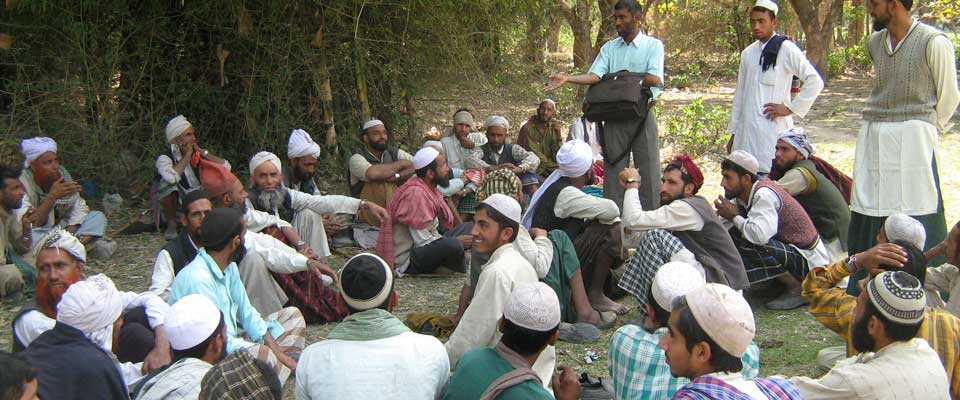
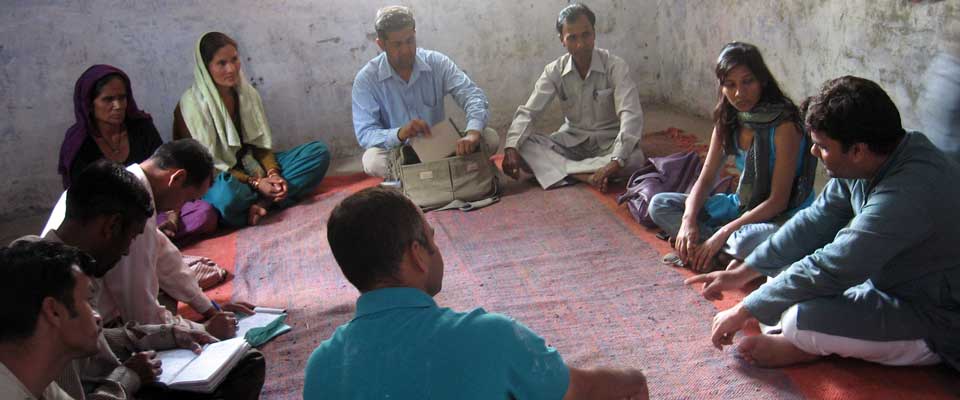
Documentation is only part of the work. Equal weight goes to village meetings, legal aid for rights claims, and supporting milk collection routes that survive monsoon washouts. Readers can learn more about the obstacles SOPHIA's communities face.
A Shared Table Across Two Hemispheres
Van Gujjar women and Aboriginal Australian women share a knowledge practice rarely given room in national food narratives. Bringing these traditions into conversation does not flatten their differences; it makes both visible. Each offers a way of reading the landscape through plants rather than commodities.
Australian readers interested in native foods can back Indigenous-led businesses, native herb farms around the Adelaide Hills, and seasonal calendars such as the six-season Noongar calendar of south-western Australia. Each offers a working model of how traditional botanical knowledge can earn respect and an income without being stripped of its roots.
Supporting SOPHIA's work is one small way to back Van Gujjar women as they carry this quietly radical inheritance into the next generation. Visit SOPHIA's project pages, share the documentation, or contribute to village-level programmes so this Himalayan food heritage has a chance to deepen rather than fade.
Across two hemispheres, the lesson is the same. The plants have always been there. The knowledge to read them must be allowed to pass on.