




Van Gujjar Myths And The Living Story Of The Buffalo
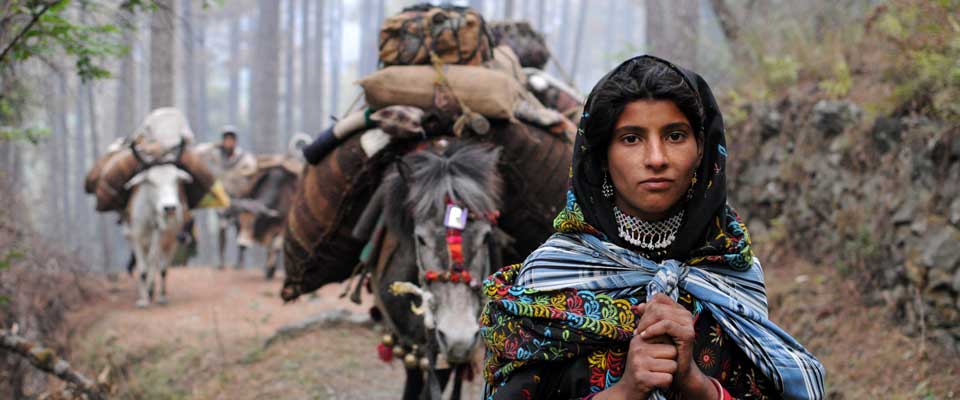
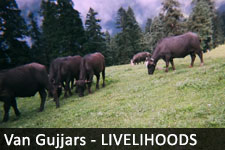
For Van Gujjar communities in the Himalayan foothills, the buffalo is far more than a source of milk or household income. It is a companion through seasonal migration, a foundation of pastoral knowledge and a presence woven into stories about forests, rivers, ancestors and survival.
Stories about the origin of the buffalo are passed through oral tradition, so they may differ between families and settlements in Uttarakhand, Himachal Pradesh and Uttar Pradesh. Rather than treating these accounts as a single fixed legend, it is more useful to understand them as a living body of knowledge shaped by movement, land rights and close observation of animals.
Why Origin Stories Matter
An origin myth explains relationships. When Van Gujjar elders describe how buffalo came into the world, the account may carry ideas about responsibility, kinship and the correct way to live with the forest. The story is less a dated historical record than a guide to conduct.
This distinction matters when outside writers compare Himalayan pastoral stories with religious texts or popular folklore. A community narrative can contain spiritual meaning, practical wisdom and social memory at the same time. It should be heard in its own setting, not reduced to a simple tale about where an animal first appeared.
Buffalo, Water And The Forest
Many buffalo origin traditions connect the animal with water, fertility and the cool shade of forest landscapes. These themes reflect everyday experience: buffalo need water, tolerate humid conditions and depend on grass, woodland openings and seasonal access to pasture. A story about emergence from water may therefore express both cosmology and ecological understanding.
For Van Gujjar families, the buffalo’s wellbeing has traditionally been linked to careful movement through the Terai and Himalayan foothills. Grazing routes, salt, fodder, medicinal plants and safe resting places all form part of a pastoral map. The origin story gives this practical knowledge a memorable and meaningful form.
Myth Is Not The Same As A Falsehood
The word “myth” is often used dismissively, as though it means an untrue claim. In anthropology and community work, a myth can instead be a respected narrative that communicates values. Van Gujjar buffalo folklore may preserve ideas about generosity, protection, loyalty and the consequences of breaking obligations to animals or land.
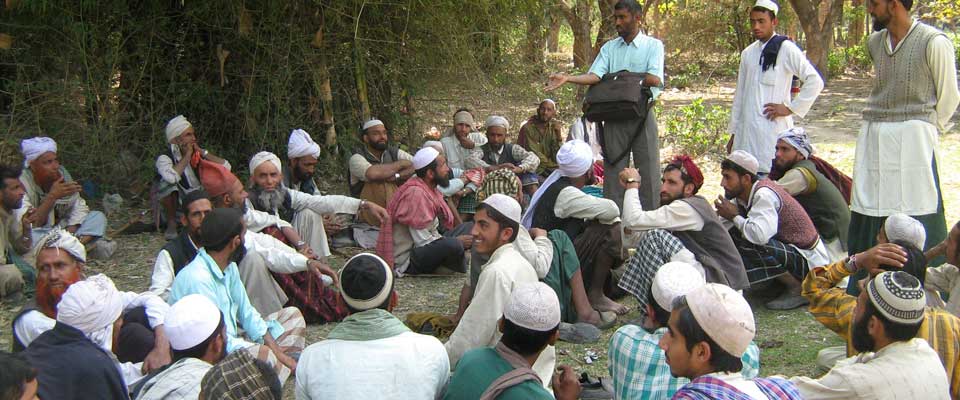
This approach helps Australian readers avoid a common mistake. A story heard at a community gathering in Dehradun or near the Rajaji landscape should not be judged by the standards of a laboratory report. It can sit alongside veterinary knowledge, oral history and environmental evidence, each answering a different kind of question.
The Buffalo As A Family Member
Buffalo husbandry requires detailed attention. Families recognise individual animals, notice changes in appetite and behaviour, and understand how heat, fodder and water affect milk production. Calves, milking animals and older buffalo each have a place in the household economy and emotional life.
The animal also supports milk marketing, food security and mobility. This is relevant to Australian audiences familiar with dairy supply chains around Melbourne, Sydney and regional Victoria, yet the Van Gujjar system operates on a different scale and under far greater pressure from restricted grazing access. A buffalo is simultaneously livestock, wealth, transport of value and a living relationship.
Changing Landscapes, Enduring Knowledge
Forest regulations, settlement pressures, conservation boundaries and demands for domicile and pastoral rights have changed the conditions in which Van Gujjar families care for buffalo. When traditional routes are blocked, the effects reach milk production, animal health and the transmission of stories to younger generations.
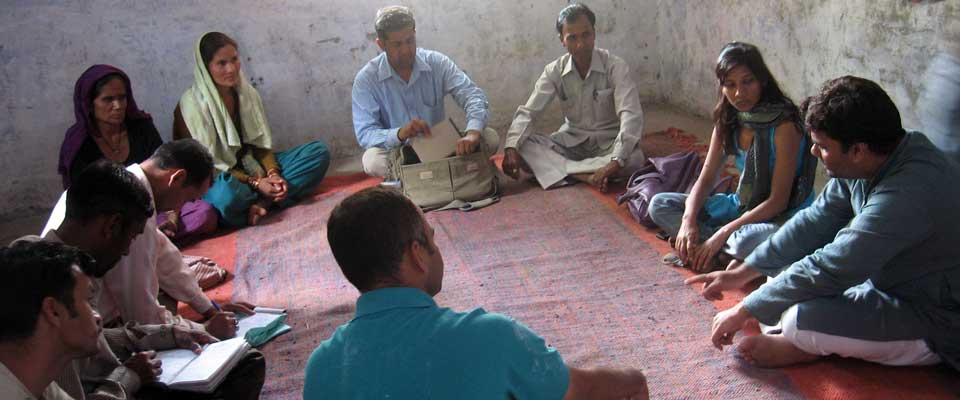
Community empowerment can help protect both material livelihoods and cultural memory. Rights-based work, social mobilisation and dialogue with government agencies create space for communities to explain why grazing knowledge matters. International supporters can also learn from organisations such as Crossroads community work when thinking about solidarity, local leadership and practical partnerships.
Listening Across Cultures
Australia has its own strong traditions of reading meaning into animals and landscapes, from Aboriginal custodial knowledge to rural stories shared at country shows, cattle stations and weekend farmers’ markets. These comparisons should be made carefully, with respect for the distinct histories and cultural authority of each community.
For someone buying buffalo mozzarella at a Melbourne market or seeing buffalo products in a specialist shop in Sydney, the final product can conceal the labour behind it. Van Gujjar narratives restore that connection by showing how animal care, seasonal movement and land access shape a pastoral economy long before milk reaches a retailer.
SOPHIA’s work helps make these connections visible through support for indigenous rights, sustainable pastoral livelihoods, buffalo husbandry and fair milk marketing. Read the community stories, explore the project and media pages, and share accurate information that respects Van Gujjar knowledge. Supporting rights-based pastoral communities helps keep both buffalo livelihoods and the stories surrounding them alive.