



Van Gujjar Children’s Participation in Schooling During Winter Settlements
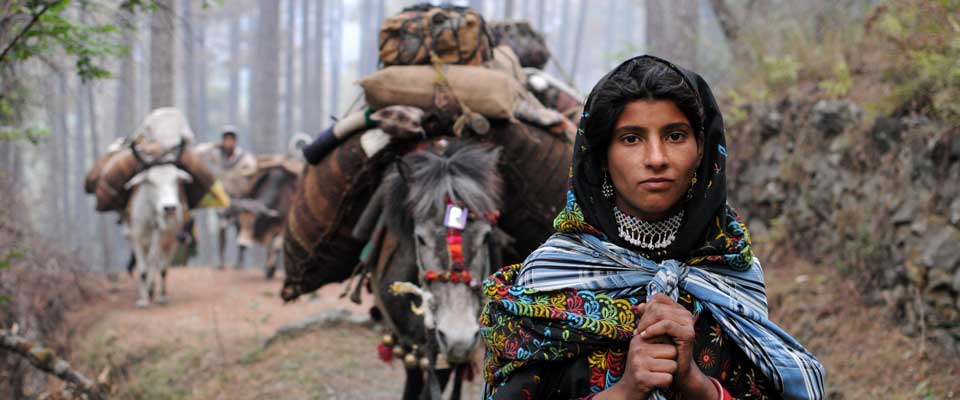
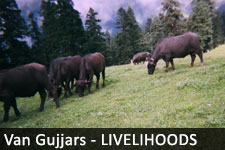
For Van Gujjar families, winter settlement is a period of movement, work and adjustment. Communities traditionally migrate with their buffalo herds towards lower forest areas, where milder conditions support pastoral livelihoods. Children’s access to education during this season depends on distance, household responsibilities, documentation, school flexibility and the ability of families to remain connected with teachers.
School participation therefore means more than daily attendance. It includes enrolment, learning continuity, confidence in the classroom, language support, safe travel and the opportunity to return to education after migration. Understanding these realities helps schools, government departments and civil society organisations design practical support with communities rather than for them.
Seasonal Migration And Learning Continuity
Winter settlements can place children far from the school where they are enrolled. A child may leave a mountain village with their family and spend several months in a forest-edge settlement, making regular attendance difficult. Travel routes, weather, herd care and limited transport can all affect whether schooling continues.
Older children may help with milking, collecting fodder, caring for younger siblings or moving buffaloes. These duties are central to household survival, yet they can reduce time for homework and classroom participation. Girls may face additional domestic responsibilities, while younger children can miss foundational learning during repeated periods away from school.
Barriers Beyond The Classroom
Administrative requirements can become a major obstacle. Families who move across districts may need help transferring records, confirming identity documents or communicating with schools in different locations. A child’s absence can be misunderstood as disinterest when it is actually linked to migration, illness, work or a lack of safe accommodation near the winter settlement.
Language and cultural differences also influence participation. Children may feel hesitant when teaching methods, classroom expectations or local dialects differ from their experience. Patient teachers, bridge courses, peer support and respectful engagement with parents can make the transition less intimidating and help children remain connected to learning.
Community Support For Attendance
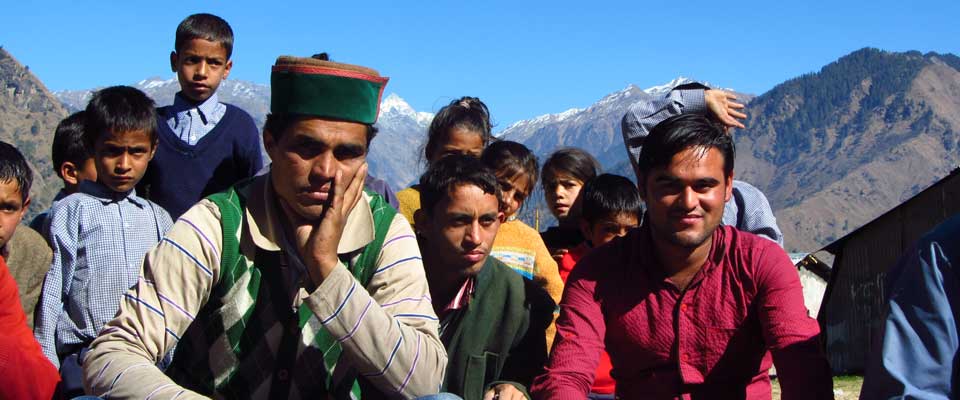
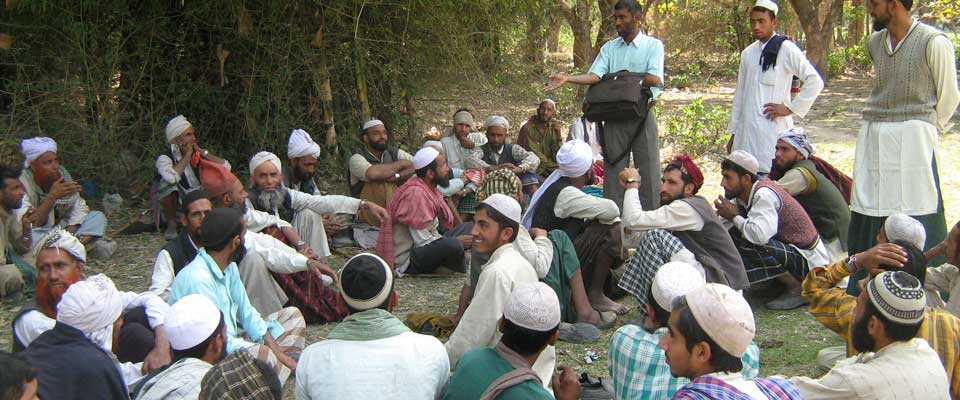
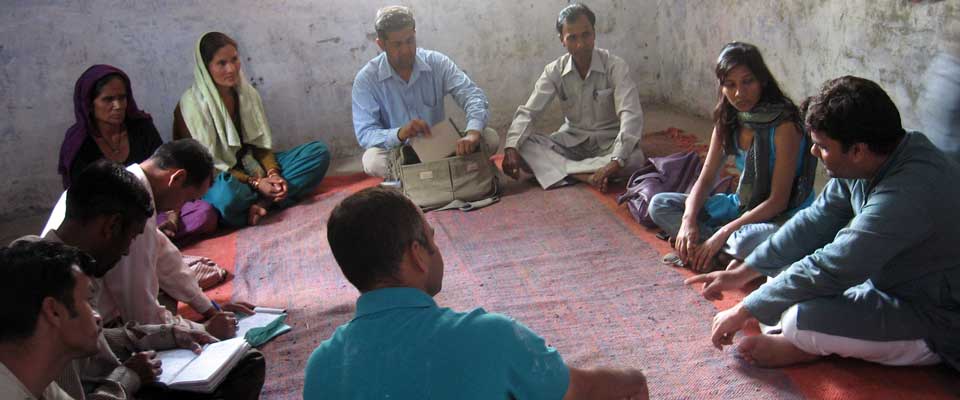
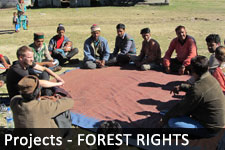
SOPHIA’s rights-based work places community knowledge at the centre of advocacy and social mobilisation. Local meetings can identify which children are enrolled, which families migrate, where learning gaps occur and what support is realistic during the winter months. Community members can then engage with schools and government officials using shared evidence.
Flexible arrangements may include seasonal hostels, transport assistance, learning centres near settlements, take-home materials and coordination between sending and receiving schools. These approaches should protect children from exploitation while recognising that pastoral work is part of family life. The goal is to reduce harmful disruption, not to separate children from their culture and community.
Lessons From Australian Education Practice
Australian readers may recognise similar concerns in remote and mobile communities, even though the settings differ. A child living outside Alice Springs, travelling between regional Queensland towns or moving with seasonal work may face long distances, school-bus limitations and interrupted internet access. In Melbourne or Sydney, families often rely on fixed school terms, public transport and digital school portals, arrangements that cannot simply be transferred to migratory settlements.
Australian schools also work within obligations shaped by the Australian Education Act 2013, state attendance laws and child-safety frameworks. Everyday habits such as checking school apps, packing lunches and using online learning platforms depend on stable housing, electricity and connectivity. Comparing these systems with Van Gujjar realities highlights why attendance policies must be accompanied by practical support and culturally informed outreach.
Livelihoods, Markets And Household Choices
Buffalo husbandry and milk sales influence whether families can afford books, uniforms, transport and other school costs. Local milk marketing arrangements may be unreliable, while seasonal prices for fodder and household goods can change quickly. A family may prioritise immediate herd care when income is uncertain, even when parents strongly value education.
The comparison with Australia’s organised supermarket market is useful. Families in Brisbane or Adelaide may buy milk from Coles or Woolworths and plan expenses around regular wages, while Van Gujjar households may depend on daily milk collection and local buyers. Programs that connect education with secure pastoral livelihoods can reduce pressure on children to leave school or carry excessive work responsibilities.
Digital Tools And Safe Participation
Mobile phones can help parents communicate with teachers, receive learning materials and stay informed about enrolment. However, network coverage, device sharing and digital confidence remain uneven. Children need guidance on privacy, misinformation and commercial content, especially when phones are used for both education and entertainment; an online safety resource can support wider conversations about responsible digital awareness.
Digital communication should complement, rather than replace, face-to-face relationships. Teachers, community organisers and families can use simple voice messages, local-language explanations and printed materials when internet access is unreliable. Volunteer networks can also strengthen outreach, and practical lessons from volunteer recruitment show how clear communication can bring new supporters into community work.
Children’s participation in schooling during the winter settlements grows when families are treated as partners. Support should combine flexible education, secure livelihoods, respectful administration and consistent advocacy for forest and domicile rights. SOPHIA welcomes collaboration from educators, researchers, volunteers and organisations committed to ensuring that Van Gujjar children can learn without losing connection to their families, culture and pastoral future.