



Play that guides young herders through the forest
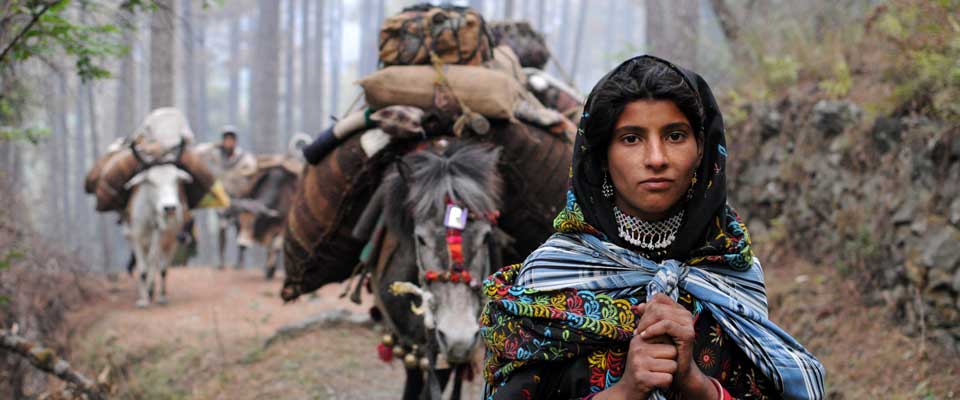
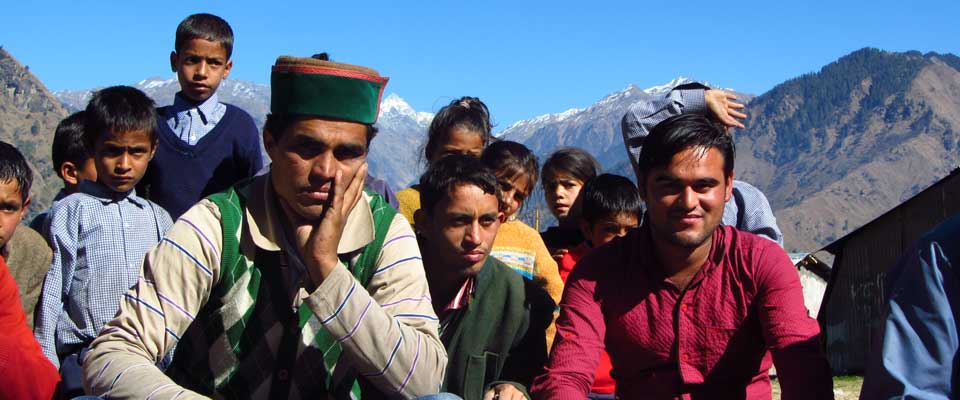
Children in Van Gujjar and Himalayan villages learn about routes, seasons and animals through everyday play. Games involving buffalo calves, shared meals and journeys through the forest can carry practical knowledge without turning tradition into a classroom lesson.
These activities develop wayfinding, observation and herd-management skills while strengthening confidence within the community. They also connect younger generations with the responsibilities of sustainable pastoral livelihoods.
SOPHIA, an Indian non-governmental organisation, works with Van Gujjar and other Himalayan village communities in Uttarakhand, Himachal Pradesh and Uttar Pradesh. Child-centred games can complement its wider efforts to protect forest and domicile rights, support buffalo husbandry and advance community empowerment.
Learning the forest through play
Children’s games can make invisible knowledge visible. A route game might ask players to remember a sequence of turns, streams or landmarks, helping them develop spatial memory and confidence in changing terrain.
Older children can also explain the rules and teach younger participants. This creates a respectful pathway for traditional ecological knowledge to travel between generations, rather than presenting it as something adults must hand down in formal lessons.
Routes, landmarks and changing seasons
Navigation games can focus on clues found in a particular landscape: the direction of a hillside, the position of a tree, the sound of running water or changing weather. Children learn that safe movement depends on careful observation.
During seasonal movement, such skills become especially valuable. Locally designed challenges can teach camp locations, forest boundaries, resting places and routes between grazing areas without assuming that every community follows the same pastoral calendar.
Caring for buffaloes through shared tasks
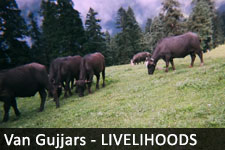
Animal care games can rehearse the daily work of buffalo husbandry. Children might sort feed, arrange water containers, identify youngstock or role-play the steps involved in bringing animals together.
These activities can also teach gentle handling, personal space and calm movement around large animals. Real animals should remain under adult supervision, with age-appropriate tasks ensuring that play never becomes unsafe or disruptive for herd management.
Knowledge held by the whole village
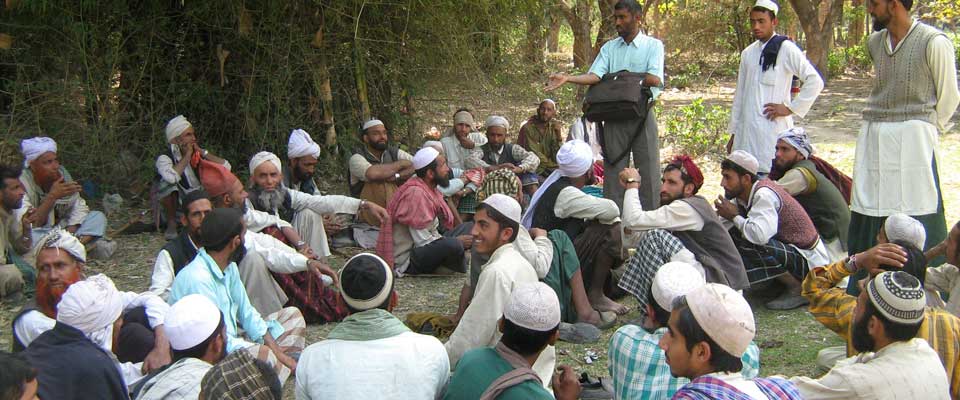
Elders, herders, women who manage household routines and young people themselves may hold different forms of pastoral knowledge. A community-led game allows these insights to meet and be tested collectively.
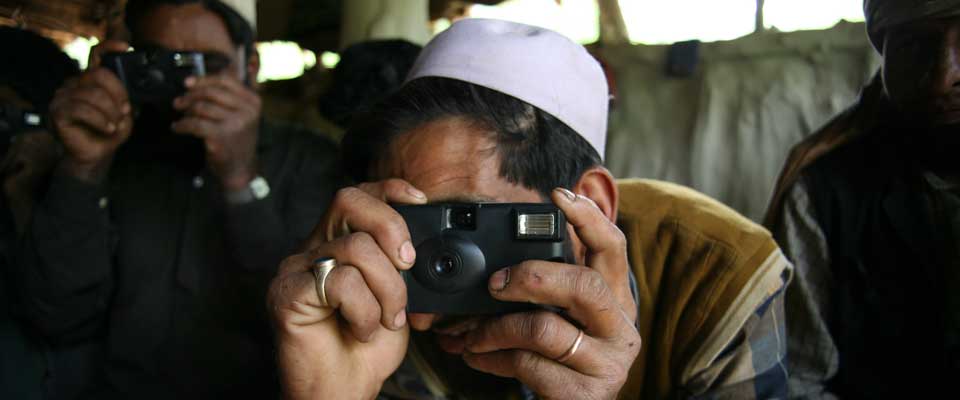
This approach respects children as participants rather than teaching materials. Child safeguarding, informed consent and careful handling of photographs are essential, particularly when sharing village life through SOPHIA’s media work or wider advocacy.
Connecting these ideas with Australian communities
For families in Sydney and Melbourne, public playgrounds, libraries and community centres offer familiar places for play-based learning. Brisbane families may need to adapt outdoor activities for subtropical rain, while Perth families often plan for hotter, drier conditions and stronger sun protection. Farmers’ markets in Melbourne, Sydney and other cities can create a practical connection to local dairy producers, cheese makers and cooperative stalls. Australian school-holiday programmes and volunteer networks can also support short, repeated sessions.
A respectful gathering can begin with an Acknowledgement of Country and relationships with local Aboriginal and Torres Strait Islander custodians. That recognition should support, rather than blur, the distinct traditions of Van Gujjar and Himalayan communities. Australian partners can contribute practical skills while allowing village teams to lead the design and purpose of the work.
Building games with care and purpose
Support for community-led play should follow the priorities set by village participants. Useful principles include:
- Let elders, herders, parents and children shape the learning goals and rules.
- Pilot each activity locally using safe, inexpensive materials and age-appropriate tasks.
- Connect play with forest rights, herd care, milk hygiene and cooperative marketing.
- Pay knowledge holders fairly and protect children’s privacy in photographs and stories.
- Arrange Australian involvement through SOPHIA-led agreements that keep decision-making with village teams.
Backing community-led play for the long term
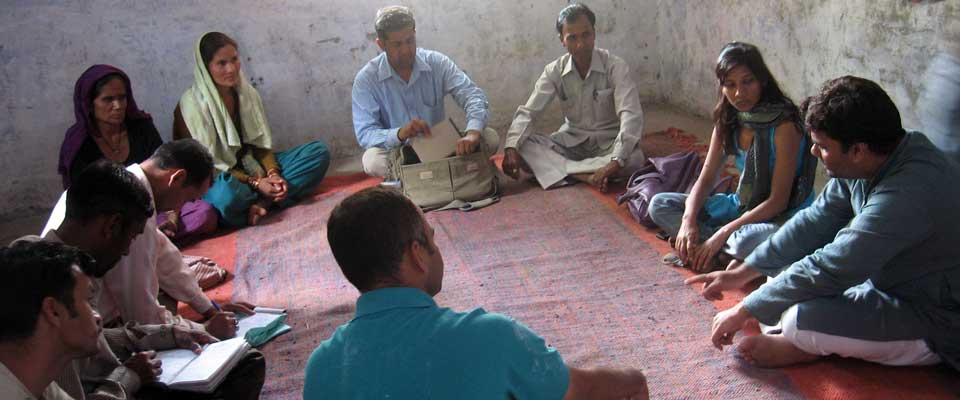
Play works best when supported by secure livelihoods, functioning markets and respected rights. SOPHIA’s wider approach combines social mobilisation, advocacy, government engagement and partnerships with other NGOs, helping communities influence decisions that affect their animals and forests.
SOPHIA’s website provides information about the organisation, its team, projects, communities and ways to get involved, alongside a media and photo archive. A donation, a rights-respecting NGO partnership or support for community-led learning can translate shared interest into practical backing. Visit SOPHIA, choose a way to contribute and help village communities sustain their knowledge, strengthen their buffalo husbandry and protect the places where children learn.