




Traditional Van Gujjar recipes for preserving buffalo meat
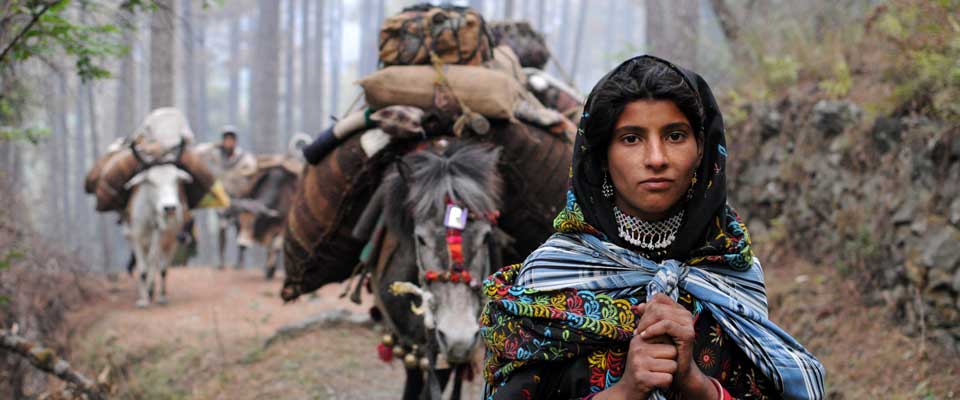
For the Van Gujjar communities of the Himalayan foothills, buffaloes are central to household income, mobility and food security. When families move with their herds between seasonal grazing grounds, refrigeration may be unavailable, unreliable or impossible to carry.
Preserving meat therefore depends on skills suited to mountain conditions: careful butchering, salt, moving air, smoke, clean surfaces and close observation. These methods are practical responses to pastoral life, shaped by local knowledge passed between generations.
Traditional Van Gujjar recipes for preserving buffalo meat differ between families and landscapes. Some households favour strongly salted strips, while others use smoke and drying together. The aim is to reduce moisture and slow spoilage while retaining food for journeys or difficult seasons.
These techniques should be treated as living cultural knowledge rather than a fixed formula. Meat preservation also carries serious health risks if temperature, hygiene and moisture are poorly controlled, so traditional practice needs to be understood alongside modern food-safety guidance.
A pastoral food tradition
Van Gujjar families have long balanced buffalo husbandry with seasonal movement through the forests of Uttarakhand and neighbouring Himalayan regions. Meat preservation is connected to this wider livelihood system, where access to fodder, water, grazing routes and markets can change throughout the year.
Salted or dried meat is lightweight and useful when fresh supplies are scarce. It can be cooked with pulses, rice, flatbreads or local vegetables, allowing a small quantity to enrich a family meal. Spices may add flavour, but salt, airflow and dryness do the essential preserving work.
What the forest provides
Wood smoke, clean water and shaded airflow have traditionally supported preservation, although the exact materials depend on place and season. SOPHIA’s work on forest rights helps explain why access to forests is closely tied to community livelihoods and food practices.
A respectful account must avoid presenting one recipe as universal. Van Gujjar households hold varied knowledge, and preservation choices may reflect available fuel, weather, household size and whether meat is intended for immediate travel or longer storage.
Salt, air and smoke
A traditional approach begins with lean buffalo meat cut into long, narrow strips. Excess fat is trimmed because it can become rancid, and the strips are rubbed thoroughly with salt. Some families may add chilli, turmeric, garlic or other spices, but seasoning should never replace adequate drying.
The salted strips can be placed in a clean, protected location with strong airflow, or exposed to gentle smoke from a suitable hardwood fire. Smoke should support drying rather than cook the meat rapidly. Resinous or treated timber is unsuitable, and meat must be protected from insects, dust, animals and rain.
A simple drying method
For a household-style method, slice fresh meat evenly, salt all surfaces and leave it covered in a cool, clean place while the salt draws out moisture. Arrange the pieces separately on a raised, washable rack or hang them in a mesh cabinet so air can circulate around every strip.
Drying time varies with humidity, thickness and airflow. The finished meat should be firm and leathery rather than soft, wet or sticky. In humid conditions, open-air drying can be unsafe; a food dehydrator or a validated drying process is a better option. Traditional appearance alone cannot confirm that harmful bacteria have been controlled.
Adapting the practice in Australia
In Australia, a household in Alice Springs, the Kimberley or inland Queensland may recognise the challenge of heat, dust and flies, but local humidity can make drying unpredictable. During a hot Perth afternoon or a damp coastal day near Brisbane, meat can spoil before it appears obviously damaged.
Australian readers may also find buffalo meat through a licensed butcher, farmers’ market or specialist supplier rather than directly from a herd. Ask about slaughter and handling, then keep the meat cold from purchase. “No worries” is not a food-safety plan: use an esky with plenty of ice for transport and avoid leaving raw meat in a car.
Food safety at every step
Raw meat should be handled separately from ready-to-eat food, with clean hands, sanitised equipment and washable racks. Do not rely on salt or smoke to rescue meat that has been warm for too long. If the meat develops slime, mould, an unusual odour or a sour taste, discard it rather than trimming or cooking it.
Australian conditions call for particular caution. Follow current Food Standards Australia New Zealand guidance, use a thermometer where heat treatment is required, and store finished meat in a refrigerator or freezer unless a tested, shelf-stable process has been used. Dried meat intended for sale requires additional controls, records and compliance with local regulations.
Practical safeguards for home kitchens
The following measures can preserve the spirit of the method while reducing avoidable risks:
- Buy fresh buffalo meat from a reputable, licensed supplier.
- Trim excess fat and cut strips to a consistent thickness.
- Use measured salt and clean, food-safe equipment.
- Dry in a screened, ventilated space or use a reliable dehydrator.
- Keep smoke cool and use untreated, suitable hardwood only.
- Pack dried meat in clean airtight containers and label the date.
- Refrigerate or freeze the finished product unless shelf stability has been professionally verified.
Traditional preservation deserves the same respect as the pastoral knowledge surrounding it. Supporting Van Gujjar communities means recognising their rights, livelihoods and authority over cultural practices, while sharing safety information that helps families protect health.
Readers can learn more about SOPHIA’s community-centred work, support rights-based livelihood initiatives and help keep indigenous knowledge connected to secure forest access. Share these preservation principles carefully, credit the communities whose knowledge shaped them, and choose safe, locally appropriate methods for every batch.