




Traditional methods of tanning buffalo hides without chemicals
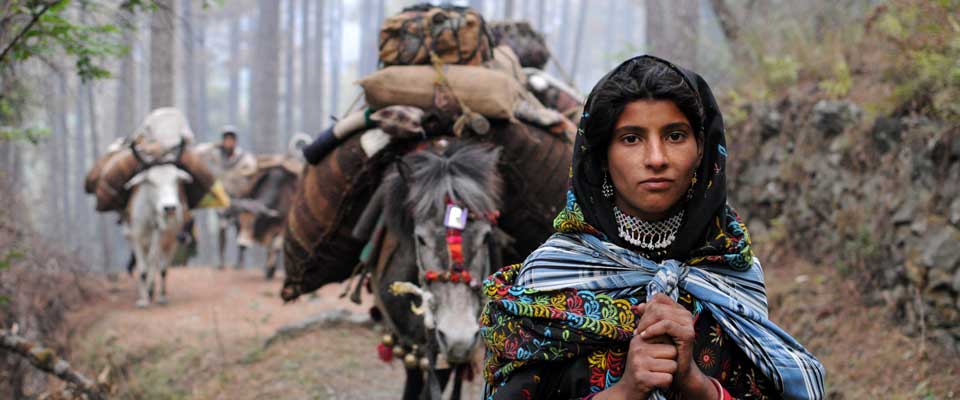
Buffalo hides have long supplied leather for footwear, belts, bags and household goods in northern India. Van Gujjar and Himalayan communities have developed local ways to clean, soften and preserve hides using water, plant matter, oils, fermentation and smoke. These methods avoid commercial chrome salts and many synthetic tanning agents.
“Without chemicals” needs care: all tanning changes collagen, and water, salt, ash and plant compounds are chemicals. The practical distinction is between natural-material methods and industrial systems using chromium, synthetic dyes or petroleum-derived agents. Traditional is not automatically low impact; water, fuel, tree use and waste still matter.
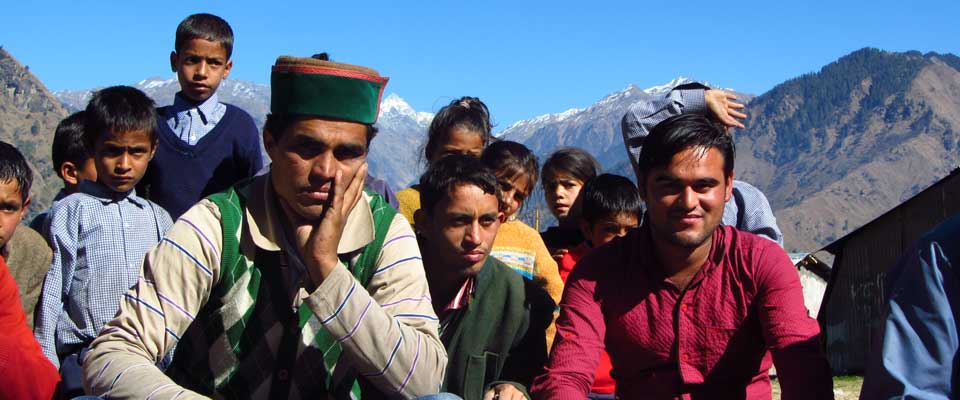
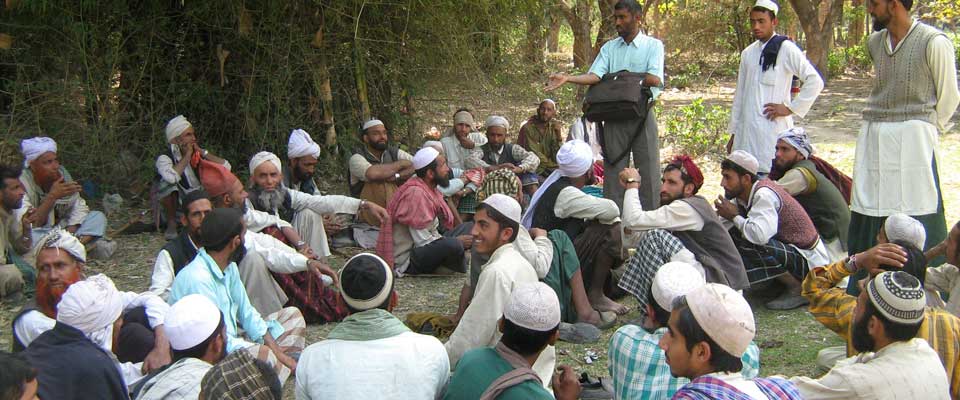
SOPHIA, an Indian registered non-governmental organisation, supports Indigenous rights, forest and domicile rights, sustainable pastoral livelihoods, buffalo husbandry and milk marketing in Uttarakhand, Himachal Pradesh and Uttar Pradesh. Buffaloes sustain family economies and milk markets, so commercial interest in hides must not weaken herds or override community priorities.
Australian buyers encounter leather in work boots, belts, handbags and craft goods. Interest in “vegetable-tanned” and “chemical-free” products can support skilled producers, provided purchasing traces production and income rather than treating living traditions as decoration.
From raw hide to usable leather
Preparation starts with removing flesh, soaking the hide, controlled scraping or dehairing, washing and drying. Some practices use alkaline solutions made from wood ash for controlled liming; others rely on soaking and fermentation. Sequences and timings vary with place, hide condition and practitioner skill, so a fixed household recipe would misrepresent the tradition.
Tannin-rich bark, leaves or fruits can be prepared in water and used in repeated baths, allowing plant compounds to bind with collagen. Other methods condition hides with fats or oils, expose them to smoke, or combine approaches. Colour, flexibility, odour and wear resistance differ, and strong results depend on control, patience and knowledge passed between practitioners.
Community knowledge and ecological responsibility
These methods depend on a local ecology: particular trees, seasonal water, grazing areas and fuel. Stripping bark without allowing regeneration, or taking water faster than it returns, can damage the resource base. Community management can help, but sustainability claims require evidence about sourcing, processing energy, effluent and income distribution.
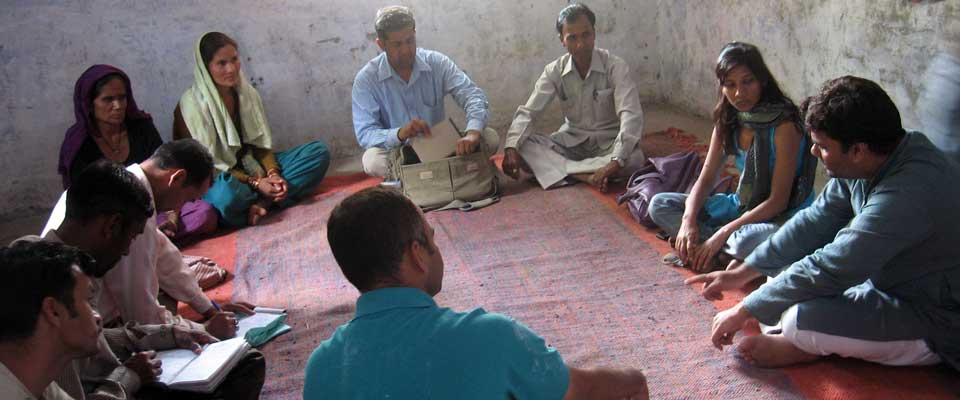
Knowledge also covers animal welfare, customary rules and when a hide should enter commerce. A buffalo has ongoing value for milk and household resilience, not merely a saleable skin. SOPHIA’s rights-based approach combines social mobilisation, advocacy, government engagement and partnerships with NGOs so commercial or advocacy activity strengthens Indigenous control rather than extracting skills.
Safety, quality and traceable claims
Traditional is not carefree. Ash, fermenting liquor, smoke, sharp tools and contaminated water can cause burns, respiratory illness or infection. Experienced processors need clean water, protective clothing, controlled drying and safe waste handling. Public demonstrations should include consent, fair payment and an environmental plan.
Traceability should record the animal and origin, tanning route, salt, ash, oil, smoke or plant inputs, drying conditions and finishing. “Natural” and “chemical-free” cannot replace evidence. Testing for strength, pH and residual substances may help, while documentation must also show who owns the knowledge and receives the benefit.
Australian markets, habits and legal duties
Australian market realities include Melbourne’s Little Bourke Street leather precinct, Sydney’s weekend craft markets and online marketplaces carrying seller-made environmental claims. Most leather sold in Australia comes from cattle or sheep, so buffalo hides should be identified by species and origin. Many households also clean and condition leather belts, jackets and footwear. Buyers should check whether vegetable tanning covered the whole hide and who controls the supply chain. Readers seeking wider context on natural materials can consult The Demeter Foundation alongside processor documentation and credible test results.
Commercial tanning and hide imports involve different rules. Victorian industrial discharges may fall under the Environment Protection Act 2018 and EPA Victoria licensing; New South Wales uses the Protection of the Environment Operations Act 1979. Raw hides can attract federal biosecurity requirements, and seller claims must comply with Australian Consumer Law. Operators should confirm current state, council and BICON conditions rather than assume a traditional recipe is exempt.
Practical ways to support skilled producers
A responsible purchase values the full chain: animal welfare, community ownership, safe work, ecological care and fair income. The cheapest hide is not necessarily the most durable or least damaging.
- Choose durable, traceable leather and repair or reuse existing items before buying more.
- Ask who tanned the hide, which inputs were used and how wastewater was managed.
- Prefer makers that disclose origin, pay producers fairly and avoid unsupported green claims.
- Support community-owned buffalo and milk enterprises so hide value adds to pastoral livelihoods.
- Seek credible testing or certification, but treat it as evidence rather than a substitute for producer consent.
Together, these choices keep purchasing connected to community agency rather than treating “traditional” as a guarantee.
Choose one practical way to contribute through SOPHIA involvement information, whether that means sharing the page with a community group, funding community-led work or building a fair purchasing partnership that keeps income, decision-making and respect with Van Gujjar and Himalayan producers.