



The Struggle For Domicile Rights: Van Gujjars In Uttarakhand’s Urban Centers
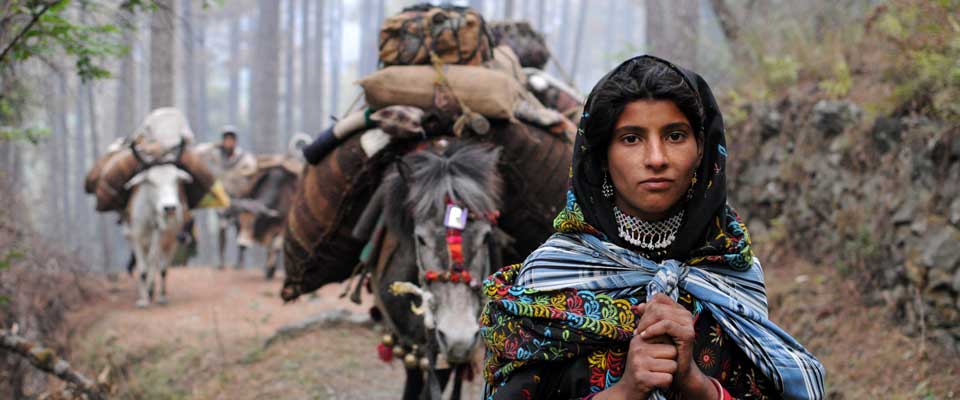
For generations, Van Gujjar families have moved seasonally between Himalayan forests and foothill settlements with their buffalo herds. This pastoral rhythm supports food production, local economies and cultural identity, yet it can make official residence difficult to prove when families enter towns such as Dehradun, Haridwar and Haldwani.
Domicile rights involve more than a certificate. They affect access to schooling, healthcare, ration cards, social security, housing, employment and political participation. For Australian readers familiar with the importance of a fixed address for Medicare, Centrelink or school enrolment, the consequences of insecure documentation are clear.
Seasonal Pastoralism And Urban Pressure
Van Gujjars traditionally spend warmer months in forest landscapes and move towards lower elevations during winter. Urban expansion, conservation restrictions, infrastructure projects and changing forest policies have reduced the security of these migration routes.
Many families now spend longer periods near urban centres. They may seek medical treatment, education, wage work or market access, while continuing buffalo husbandry. This creates a practical contradiction: communities are increasingly connected to towns but may still be treated as temporary visitors.
What Domicile Rights Mean
A domicile certificate can support access to state services and establish a person’s connection with Uttarakhand. In practice, officials may request school records, land papers, utility bills, voter documents or other evidence of continuous residence.
Such requirements can exclude mobile pastoral households. A family without formal land ownership or a permanent electricity connection may struggle to satisfy an administrative system designed around settled homes. Children can face interruptions in education when their parents’ documents do not match their current location.
The Documentation Gap
Birth certificates, identity cards, ration cards and caste or community records often become essential gateways to public services. Missing paperwork can result from remote living conditions, limited literacy, displacement or inconsistent spellings across documents.
Urban rental arrangements create another obstacle. Families may live in informal settlements, shared accommodation or short-term spaces close to grazing and transport routes. Without a landlord’s cooperation or a recognised address, opening accounts, enrolling children or applying for benefits becomes harder.
Livelihoods In A Changing Market
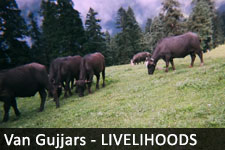
Buffalo milk remains central to Van Gujjar livelihoods. Families sell milk through local networks, household deliveries and informal markets, yet urban dairy competition and rising fodder costs can reduce earnings. Access to cold storage, veterinary care and fair prices is often uneven.
The issue has parallels in Australia, where farmers supplying regional markets must navigate supermarket pricing, food-safety rules and long travel distances. A Van Gujjar household may face similar market pressure without the same access to formal cooperatives, transport infrastructure or business advice.
For families seeking alternatives, connections between social organisations and employers can matter. Models described in job placement partnerships show how targeted employment support can link community members with dignified work while respecting their existing skills.
Urban Realities And Australian Comparisons
In Melbourne and Sydney, renters commonly use leases, utility accounts and digital records to prove an address. In Uttarakhand’s urban centres, many Van Gujjar families may have no comparable paperwork, even when they have lived near a town for years.
Australian public life also relies heavily on online portals, including myGov, and everyday habits such as keeping electronic bills or using bank statements as proof of identity. These systems can seem routine to Australian audiences, while unreliable connectivity, unfamiliar procedures and language barriers make digital administration difficult for mobile communities.
The Australian Native Title Act 1993 and the national Closing the Gap framework also demonstrate how legislation can recognise Indigenous rights while leaving implementation contested. These examples do not mirror Van Gujjar circumstances, but they show why legal recognition must be matched by accessible institutions and community participation.
Rights-Based Organising
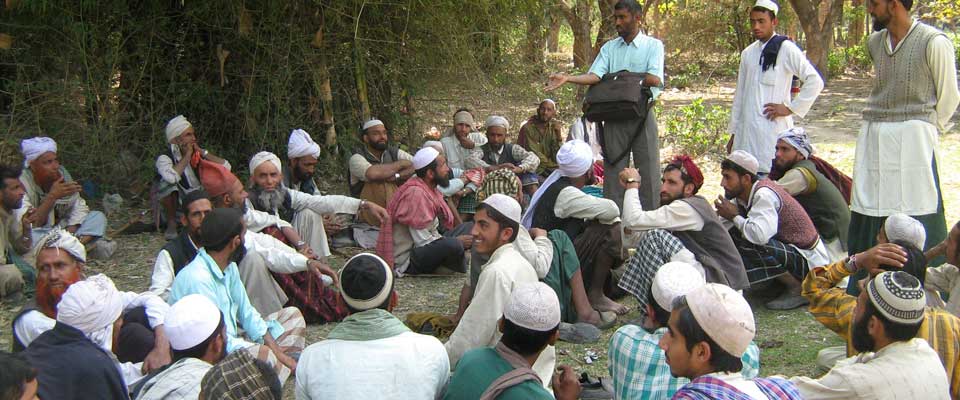
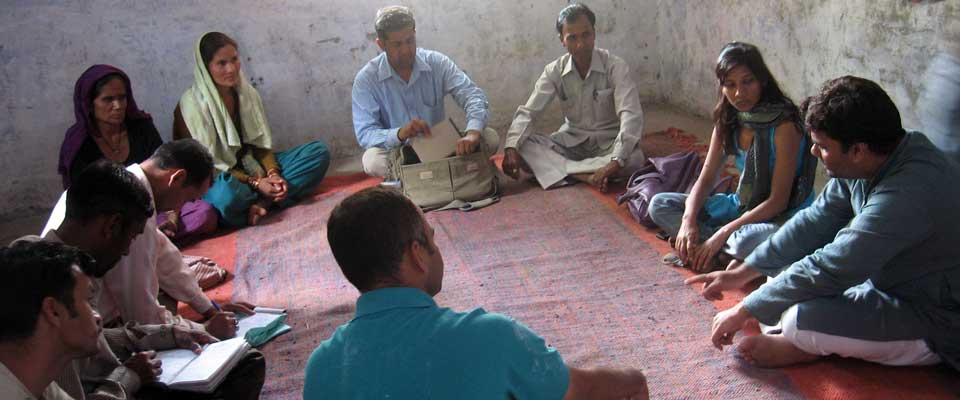
Domicile rights are strengthened when communities document their own needs, organise collectively and engage directly with district officials. Social mapping, legal awareness camps and support with applications can help families build a reliable record of residence and service access.
Advocacy must respect Van Gujjar priorities. Families may seek secure seasonal migration routes, recognition of forest rights, school access, healthcare and support for buffalo rearing rather than pressure to abandon pastoral life. Community-led evidence can make these priorities visible in government planning.
SOPHIA works with Van Gujjar and Himalayan village communities through rights-based projects, social mobilisation and government engagement. Its work and community information are available through SOPHIA’s programmes, offering a useful way to understand how local partnerships support dignity and self-determination.
Building Fairer Access
A durable response requires coordination between communities, municipal bodies, forest departments, schools, health providers and civil society organisations. Officials need practical procedures for recognising seasonal residence and accepting a wider range of evidence.
Urban residents can also support fairer systems by learning how migration, pastoralism and documentation affect one another. In Australia, people may buy directly from farmers’ markets, support ethical food businesses or contact elected representatives about Indigenous policy; similar civic habits can encourage informed solidarity across borders.
Practical Ways To Stand With Van Gujjar Communities
Small, consistent actions can help build public understanding and strengthen community-led advocacy:
- Share reliable information about forest, domicile and pastoral rights.
- Support organisations working with Van Gujjar families and village communities.
- Promote fair milk markets, veterinary access and sustainable buffalo husbandry.
- Encourage schools and health services to reduce documentation barriers.
Responsible engagement should centre community consent and avoid treating families as charity recipients. Useful support can include:
- Funding legal assistance and documentation camps.
- Creating pathways to safe, fairly paid employment.
- Amplifying Van Gujjar voices in policy and media discussions.
- Learning from Indigenous rights practice in Australia without imposing foreign models.
Domicile recognition is a foundation for belonging, yet it must work alongside secure livelihoods, cultural continuity and access to forests. By supporting community-led advocacy and sharing accurate information, Australians can help strengthen the visibility of Van Gujjar rights and contribute to partnerships grounded in respect.