




Traditional honey hunting and the Van Gujjar way of life
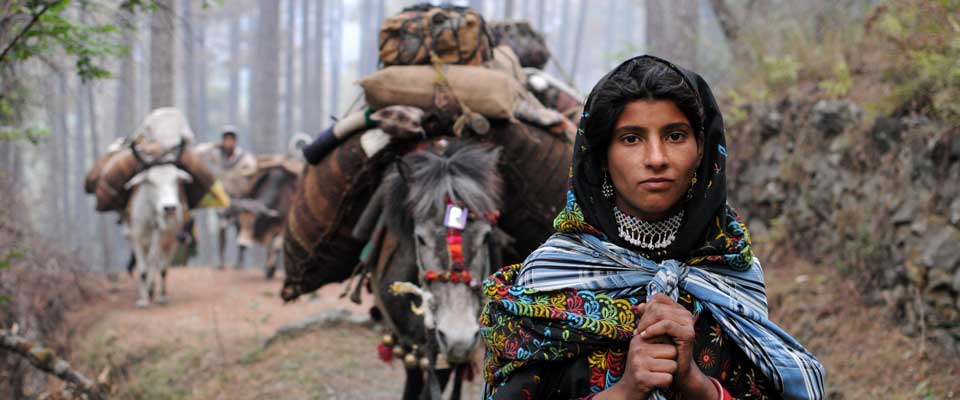
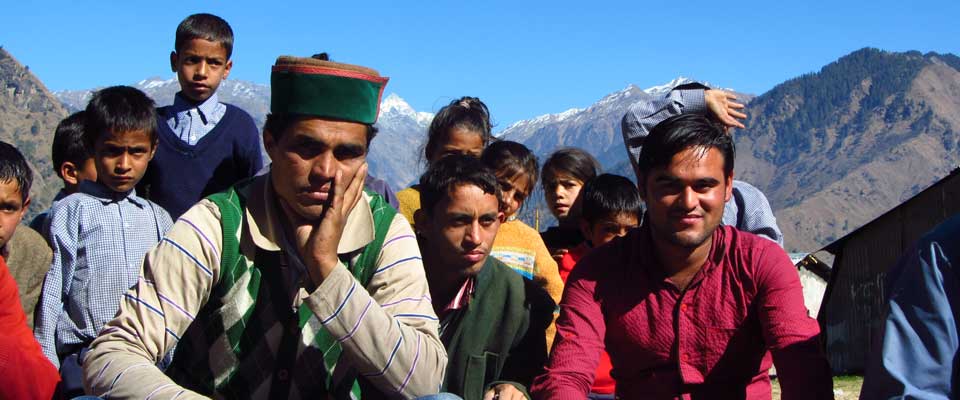
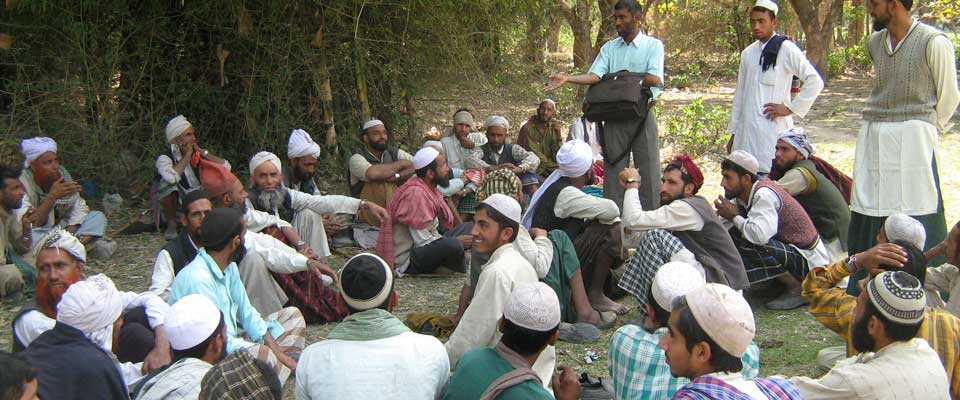
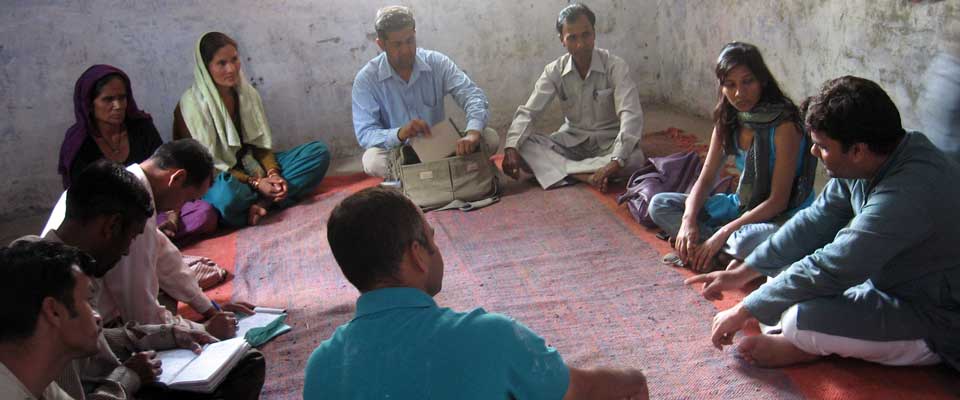
In the Shivalik hills where Uttarakhand, Himachal Pradesh and the fringes of Uttar Pradesh meet, the Van Gujjar people have practised seasonal honey hunting for generations. SOPHIA, an Indian non-governmental organisation, works alongside these forest-dwelling pastoralist communities to safeguard the rights, lands and skills that make such traditions possible. Wild honey sits at the heart of a wider pastoral culture that also includes buffalo husbandry, milk marketing and forest stewardship.
Every autumn, after the buffalo herds move to higher pastures, certain families return to the lower cliffs to harvest the combs of Apis dorsata, the giant rock bee. These bees build single, dangling combs on vertiginous rock faces and tall sal trees, forcing harvesters to climb with rope ladders of forest creepers and to use controlled smoke to calm the swarms. In the cool months, a kilogram of forest honey can fetch several times the price of ordinary commercial honey, making the harvest a vital seasonal income alongside milk sales.
For Australians reading about this practice, the forest may feel distant, yet the values are familiar. In Tasmania's Tarkine wilderness, beekeepers still brave wet, snake-prone rainforest to collect leatherwood honey, and a growing number of Melbourne and Sydney consumers pay premium prices for jars labelled with the harvester's name and the season of extraction. The comparison shows that wild honey, when valued for its provenance, can sustain remote communities without industrial scale.
How the harvest unfolds in the Himalayan foothills
The honey hunter typically works in a small team of three or four, often drawn from extended family. One person scales the rock face while others manage ropes, smoke torches and the collection baskets. Combs are cut into sections, strained through muslin and stored in clean metal vessels. The community avoids harvesting brood comb, leaving enough honey for the colony to recover before winter, a restraint that mirrors the selective burning practices of Aboriginal peoples in northern Australia who have managed Country for tens of thousands of years.
The timing follows the flowering cycles of the sal, semal and kachnar trees that bloom in turn across the lower Himalayas. When the monsoon withdraws, beekeepers from Van Gujjar settlements near Haridwar, Kotdwar and Dehradun move into temporary forest camps. Many of these sites overlap with the routes used for transhumance, the seasonal movement of buffalo between summer and winter pastures.
Identity, ritual, and intergenerational knowledge
Honey hunting carries a weight that goes well beyond nutrition or trade. Elders speak of the forest as a lender rather than an owner, and the first comb of the season is shared at a small ceremony led by the community's seniors. Children begin learning rope work and smoke management in their early teens, absorbing the names of cliffs, trees and bee behaviours through songs and stories passed down by grandparents.
This place-based knowledge is rapidly disappearing worldwide. In Australia, public attention to First Nations cultural burning has shown how ancient skills can inform modern land care, and the same principle applies to the Van Gujjar. A young honey hunter knows which cliff face harbours aggressive colonies, which trees attract the heaviest swarms, and where to find water within a morning's walk. None of this is written down, and a single road or mine can erase it permanently.
Income that supports mobile pastoral life
Buffalo husbandry provides milk, ghee and yoghurt that anchor daily diets and a year-round trickle of cash through local milk marketing. Honey, by contrast, arrives as a windfall that can pay for school fees, veterinary medicine or the repair of a temporary hut. For families without easy access to formal banking, this lump sum often decides whether children stay in school or migrate to Lucknow, Delhi or further afield.
In Australia, the appetite for ethical, single-origin food has reshaped small-scale producers. Boutique stalls at the Queen Victoria Market in Melbourne and the Carriageworks farmers' market in Sydney routinely sell wild honey with detailed provenance. A similar recognition, applied to Van Gujjar honey, could move the product out of the hands of exploitative middlemen and into a chain that fairly rewards the harvesters themselves.
Pressures on forests and ancient skills
Three forces now converge on this ancient trade. Deforestation linked to road expansion, mining and the spread of commercial plantations has reduced the number of safe cliff sites. Cheap sugar-fed honey sold through ordinary retail channels keeps local prices artificially low. Erratic monsoons and shifting bloom calendars are confusing even experienced harvesters, with colonies sometimes abandoning a site before the team arrives.
Younger Van Gujjar men and women are increasingly pulled toward urban work in Dehradun, Chandigarh and, via diaspora networks, Brisbane and Sydney. Without pathways to make traditional livelihoods viable, the knowledge held by today's elders may not survive another generation. SOPHIA sees the protection of forest rights and domicile claims as inseparable from the survival of the harvest itself.
Practical steps for allies and friends
- Support SOPHIA's community-led documentation of honey sites, harvest calendars and oral histories.
- Advocate for stronger enforcement of forest rights recognised under Indian law in honey-producing landscapes.
- Choose single-origin, community-traced wild honey and ask retailers about provenance.
- Encourage Australian universities and NGOs studying Indigenous land management to exchange lessons with Van Gujjar elders.
- Fund equipment such as rope ladders, smoke bellows and safe storage vessels that reduce the risks of the climb.
- Amplify Van Gujjar voices in international forums on pastoralism, biodiversity and climate adaptation.
- Visit SOPHIA's website to read project updates, view the photo archive, and explore volunteer or partnership opportunities.
SOPHIA invites readers to stand with the Van Gujjar at a moment when forests, rights and traditions face converging threats. Browse the website's project pages, share stories from the media archive, and reach out to the team to explore how individuals, community groups or Australian organisations can contribute. A small, informed gesture from a city like Melbourne, Perth or Adelaide can help keep a centuries-old harvest alive in the foothills of the Himalayas.