



The seasonal river crossing in Van Gujjar social gatherings
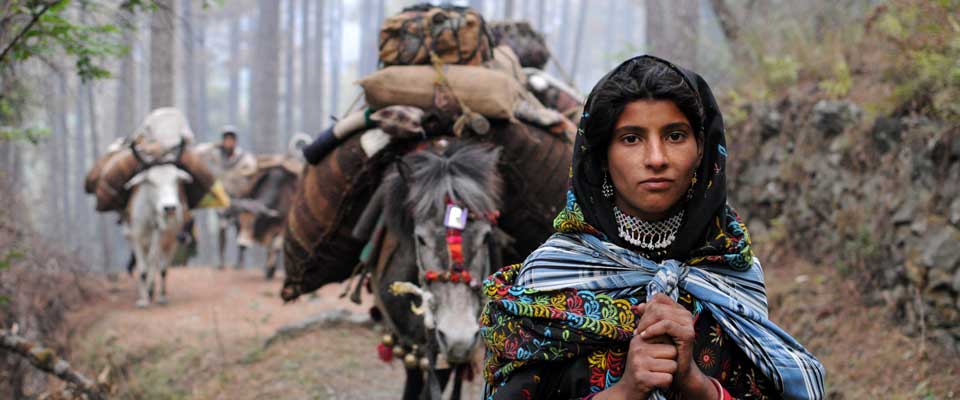
The seasonal river crossing in Van Gujjar social gatherings is more than a transport feature. Across Uttarakhand, Himachal Pradesh and Uttar Pradesh, seasonal streams connect forest grazing areas, villages and market routes used by Van Gujjar pastoralists. A crossing that is passable one week may be unsafe the next after rain, snowmelt or a rising upstream stream.
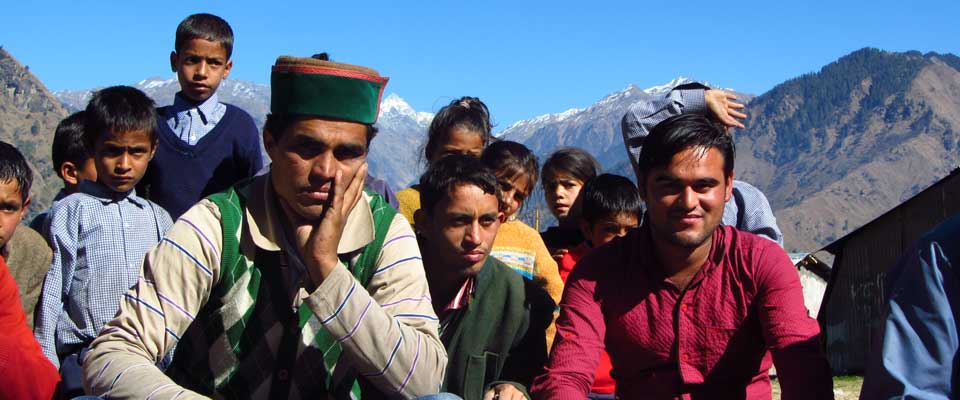
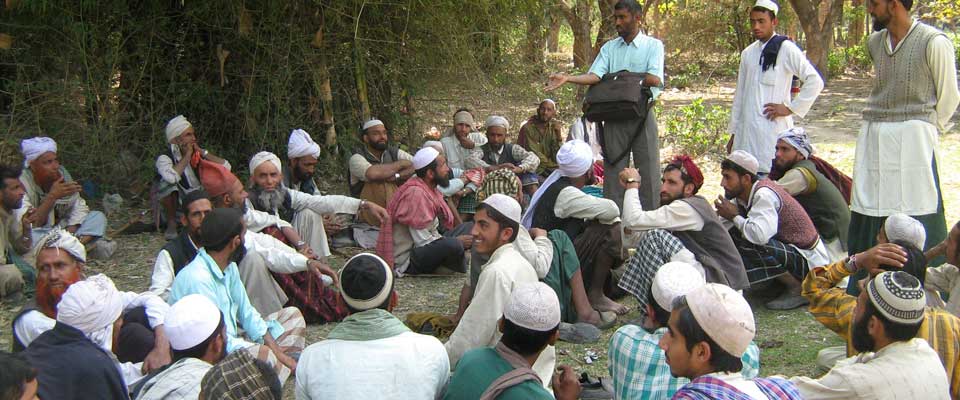
At a usable crossing, people pause, exchange news and make plans while their animals and loads come through. The crossing therefore works as social infrastructure: a recurring place where absence becomes presence, scattered households reconnect and decisions can be made face to face.
A meeting place shaped by movement
Movement sets the rhythm of these encounters. A herder waiting for a safer channel may meet relatives carrying supplies or a family whose animals have come down from high grazing land. A delay that looks inefficient from outside can create a valuable point of contact.
Because journeys repeat, news about pasture, health, schooling, prices and local administration can move with people rather than waiting for a message. Agreements made beside the route may influence where herds travel, when they return and how resources are shared.
Why people gather at the water
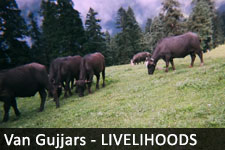
People often gather where a crossing meets a track, bridgehead or village pause. Buffaloes are brought through in smaller groups, making the waiting period practical rather than empty. Individuals compare routes, seek news and check which side of the river remains usable.
Conversation may widen beyond family matters into herd arrangements, milk prices and collective concerns. Such gatherings can soften disagreements because neighbours see the effects of a decision on one another’s animals and household income. They are also spaces for stories, teasing and renewed trust.
The crossing is therefore both destination and threshold. Returning home, the participants carry information and relationships onward. Even a short stop can reinforce who feels included in decisions and who remains distant from village life.
Buffaloes, milk and collective planning
Buffaloes connect every gathering to the material basis of Van Gujjar life. A family may be deciding whether to move animals, sell milk, seek veterinary advice or use a forest area under customary access arrangements. Water, fodder, labour and time all shape the choice.
At a crossing, people can compare costs and conditions while the herd is present. A larger owner may know where fodder is scarce, while another household may have a buyer contact or a suitable vehicle. Pooling practical knowledge reduces the risk that a household acts with incomplete information.
Milk gives the discussion an economic dimension. Prices, transport, spoilage and access to processors matter immediately to pastoral families. Gathering information can support collective marketing, linking village-level production to dependable buyers while preserving the role of herders in managing their animals.
Access to rights and services
Seasonal access affects more than trade. A blocked crossing can keep families from forest offices, banks, health services, village assemblies or meetings concerning forest and domicile rights. Participation in these spaces can shape recognition, entitlements and the ability to challenge unfair treatment.
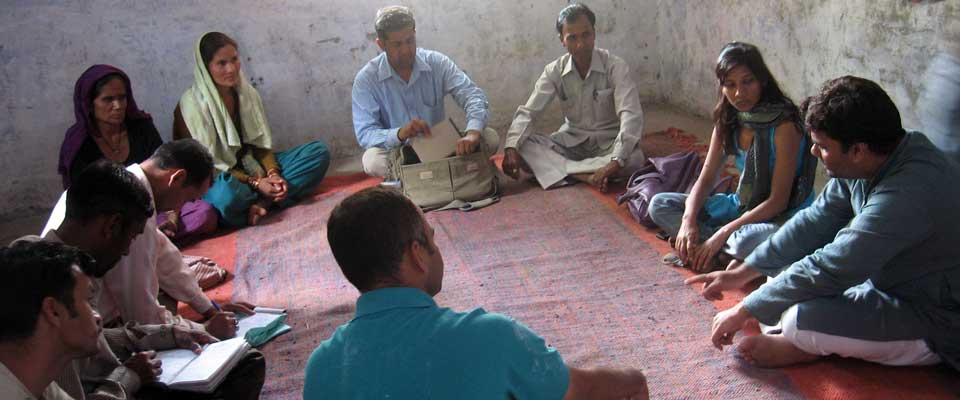
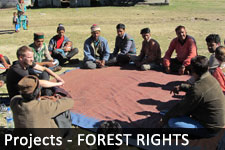
SOPHIA, an Indian registered non-governmental organisation, connects community mobilisation, advocacy, government engagement and partnerships with other NGOs. Its work supports rights through community rights projects that strengthen collective voice and access to forest and domicile rights across the regions where Van Gujjar communities live.
Weather knowledge and safe passage
Safe crossing depends on reading water, weather and terrain rather than treating a mapped road as fixed. Residents may interpret cloud patterns, upstream rain, snowmelt, debris and the behaviour of other channels. This knowledge is local, practical and passed through experience.
Community warnings become more useful when they travel quickly through trusted networks. Someone approaching from the other bank may see changing water earlier than someone waiting downstream. Shared observation can prevent a risky attempt and coordinate a safer waiting period.
Changing rainfall patterns can narrow or unsettle familiar crossing windows. That does not make inherited knowledge irrelevant; it makes careful observation and collective planning even more important. Adaptability preserves safety without treating the river as an inconvenience to be overcome at any cost.
Reading the landscape from Australia
Many Australians will recognise the rhythm from high-country roads around Bright in the Victorian Alps, where heavy rain or snowmelt can close low-level crossings. The plain local phrase is that “the road’s out”, and people may say they will “wait until it’s safe” rather than treat caution as optional.
Gippsland also offers a useful, though limited, comparison with buffalo milk systems. Dairy farms across the region send milk by tanker to processors, while some smaller producers sell cheese through farm-gate outlets and farmers’ markets. Collection routes, market prices and direct sales all influence income across Australian dairy regions.
Australian rural meetings may be announced through council notices, school halls, local papers or social media, but communication methods do not erase differences in history and power. The useful comparison is practical: seasonal access affects livelihoods, and transparent decisions determine who can take part. Listening remains more important than borrowing the landscape.
Readers can explore SOPHIA’s community pages, project stories, media archive and contact options, then share accurate material with Australian schools, community groups and rights networks. Practical support can include building informed partnerships, respecting community leadership and keeping Van Gujjar voices central to public education.
A respectful public is one where seasonal movement is understood as a condition of community life, not a picturesque detail. Standing with communities that seek recognition of their rights strengthens both solidarity and a fuller understanding of how place, movement and self-determination meet.