



Buffalo grazing, fireflies, and healthy foothill forests
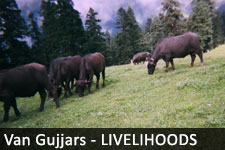
In the Himalayan foothills, a buffalo trail can connect pasture, forest edge, stream bank and village settlement. These everyday landscapes support much more than livestock. They also provide the damp soil, leaf litter, low vegetation and night-time shelter that fireflies need during different stages of their life cycle.
The relationship between buffalo grazing and firefly populations in the foothills is therefore shaped by balance. Moderate, seasonal grazing may maintain a varied habitat, while heavy trampling, vegetation loss, artificial light and chemical use can reduce suitable breeding areas.
For Australian readers, the setting may feel familiar in principle. A Landcare group assessing a creek corridor, a cattle producer watching pasture condition, or a family visiting the Dandenong Ranges after dusk will recognise how small changes in ground cover can affect insects. The species and customs differ, but the ecological connections are remarkably similar.
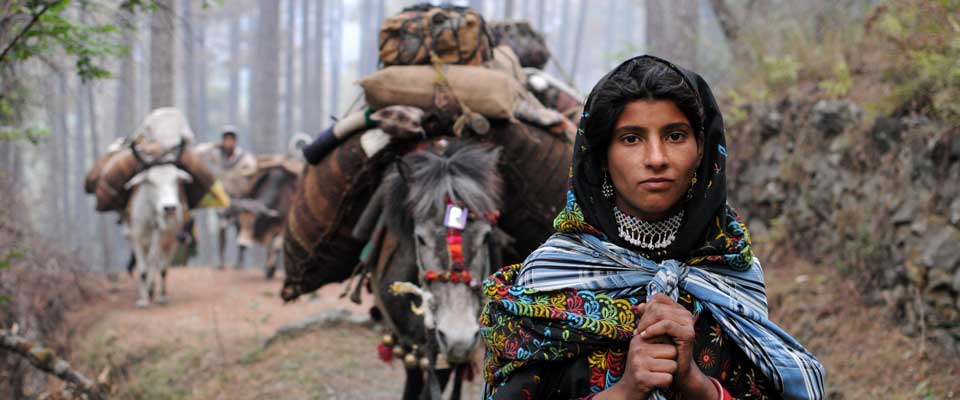
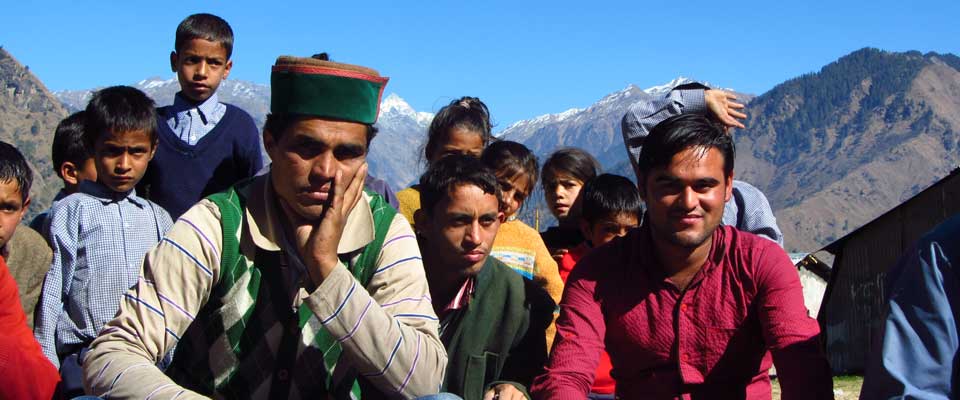
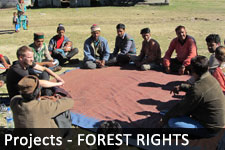
SOPHIA works with Van Gujjar and Himalayan village communities in Uttarakhand, Himachal Pradesh and Uttar Pradesh. Its work links indigenous rights, forest access, pastoral livelihoods, buffalo husbandry and community-led conservation. Understanding fireflies adds another perspective to the value of these living landscapes.
Why fireflies depend on healthy ground
Fireflies require suitable conditions both as adults and larvae. Their larvae often live in moist soil, grass, moss or leaf litter, where they feed on small invertebrates such as snails, slugs and other soft-bodied prey. Adults use vegetation for rest and communicate with flashes in darkness.
Foothill forests can provide these conditions through a patchwork of shaded woodland, open glades, damp hollows and stream margins. A landscape with several habitat types is often more useful than one that is uniformly dense or completely cleared.
Buffaloes as landscape makers
Buffalo grazing changes vegetation structure. Animals create paths, crop grasses and herbs, disturb small areas of soil, and add dung that supports beetles and other decomposers. Their movement can keep some forest edges open, allowing a mixture of grasses and low plants to grow.
Seasonal pastoral movement may also prevent any one patch from being grazed continuously. Van Gujjar communities have long used detailed knowledge of routes, water, forage and weather to manage buffalo herds. Their customary practices can contribute to a shifting habitat mosaic when communities have secure rights and meaningful control over local resources.
When grazing supports insect diversity
The ecological effect of grazing depends on timing, intensity and place. Light to moderate use can preserve open patches beside forest, while resting areas during wet periods can protect fragile soil and breeding sites. Buffalo wallows may create damp microhabitats, although excessive disturbance can damage stream banks.
Useful signs for community monitoring include:
- Firefly flashes returning to the same damp areas after dusk
- Leaf litter remaining beneath trees and along quiet field edges
- A mixture of short grass, taller plants and shaded ground
- Snails, beetles and other small prey present without heavy pesticide use
- Clear water and stable vegetation beside streams and springs
These indicators do not replace scientific surveys, but they offer a practical starting point. A simple record taken during the monsoon and early summer can show whether firefly activity changes with grazing patterns, rainfall or nearby lighting.
How intensive use can reduce firefly habitat
Continuous grazing can remove the low vegetation and leaf litter where larvae shelter. Repeated trampling may compact wet soil, disturb pupae and break down streamside cover. When animals gather around a limited water point, local pressure can become much higher than the wider pasture appears to suggest.
Fireflies are also sensitive to bright night lighting. Road upgrades, tourism facilities, security lights and household expansion can interrupt flash communication. In Australia, people discussing a “bush block” or a paddock beside a creek often understand this edge effect: a small lit or cleared strip can influence wildlife well beyond its footprint.
Community knowledge and careful monitoring
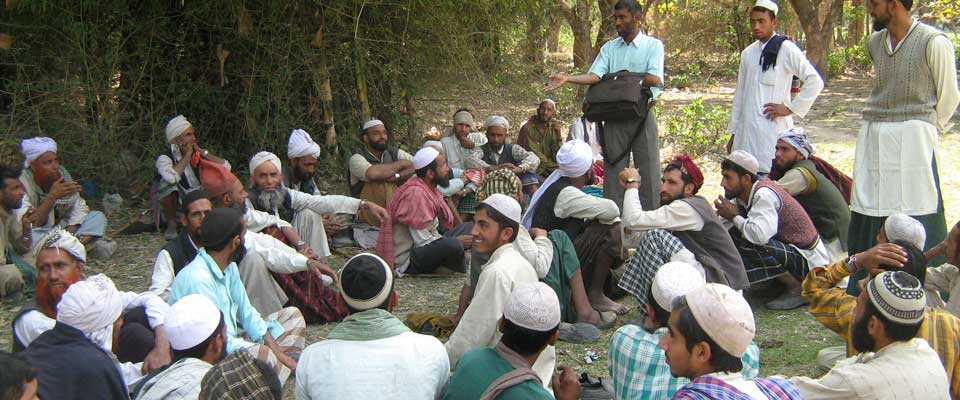
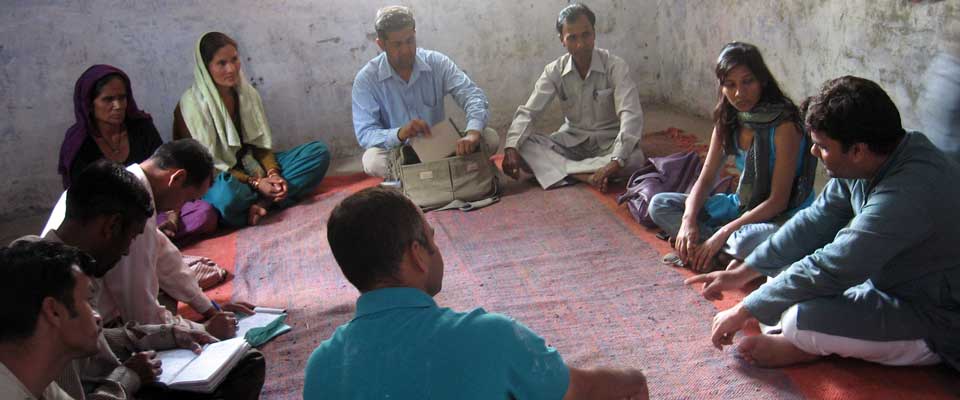
A useful monitoring programme should combine local observation with ecological methods. Pastoralists can identify seasonal grazing routes, traditional resting places and water sources, while researchers can record soil moisture, vegetation height, light levels and firefly abundance. This shared approach respects knowledge that is often overlooked in formal planning.
Australian conservation groups may recognise a similar model through Landcare, local catchment networks and the Atlas of Living Australia. The market context differs too: Australian producers often work within formal supply chains and grazing leases, while Himalayan pastoral households may rely on mobile herds, direct milk sales and access to common forests. In both settings, livelihoods and habitat management are closely connected.
Protecting a living foothill mosaic
Practical measures can be modest. Rotating access to sensitive wet areas, keeping a buffer of vegetation beside streams, reducing unnecessary night lighting and avoiding pesticides can all help. Resting selected patches during peak breeding periods may be more effective than excluding livestock from an entire landscape.
Fire management also matters. In an Australian bushfire season, landholders weigh fuel reduction against habitat protection; Himalayan communities face their own forest-fire risks during dry months. Local planning should distinguish between managed grazing, deliberate burning, accidental fire and the damp refuges that insects need to survive.
SOPHIA’s rights-based work provides an important foundation for these efforts. Communities are more likely to support long-term habitat care when their access to forests, pasture and livelihoods is recognised. Supporting indigenous governance and sustainable buffalo husbandry can therefore benefit both people and the small night-time species that share these foothills.
Support community-led conservation by learning about SOPHIA’s projects, sharing its work, contributing to responsible partnerships or helping amplify the voices of Van Gujjar and Himalayan village communities. Protecting firefly habitat begins with valuing the pastoral landscapes where forests, livestock and people continue to coexist.