



Van Gujjar festivals and lunar cycles
The link between Van Gujjar festivals and lunar cycles reveals a pastoral calendar shaped by forests, rain, snow and movement. For communities in Uttarakhand, Himachal Pradesh and Uttar Pradesh, a festival can honour a deity, bring households together and coordinate upcoming work. Its timing often carries ecological meaning beyond a printed date.
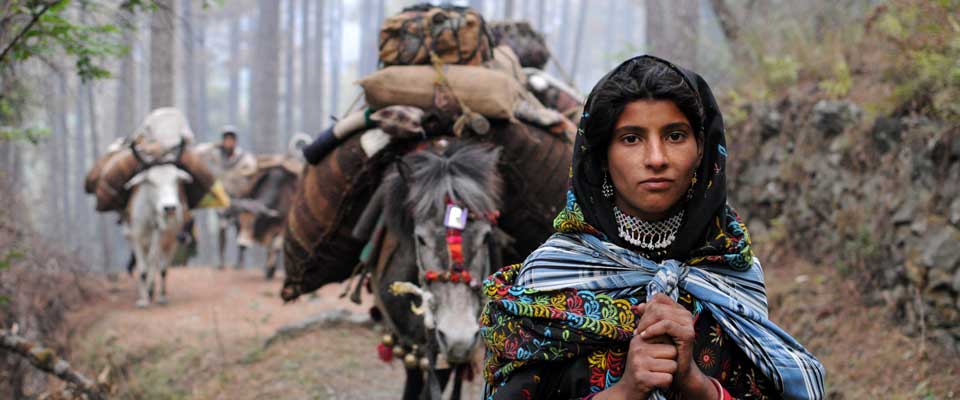
Van Gujjar livelihoods combine buffalo husbandry, seasonal grazing, forest produce and village settlement. Families may move between forest areas and higher pastures according to access, fodder, weather and local agreements. Moon phases offer a shared reference, while knowledge of springs, trails, grasses, snow and animal health guides daily decisions.
The connection is practical as well as spiritual. Hiti observances associated with Hiti Nagdev can signal a seasonal transition and a time for prayer, exchange and gathering. Other events may follow migration or market schedules. A lunar festival can renew solidarity while communities negotiate access to land, resources and livelihoods.
Australian readers may recognise this through Eid and Lunar New Year celebrations in Sydney, Melbourne and Brisbane, or through Aboriginal Australian seasonal calendars informed by lunar phases and tides. These traditions are not interchangeable; each community holds its own authority. They show how calendars can encode place, work and belonging.
How lunar cycles shape pastoral time
For Van Gujjar herders, the moon is one marker in a larger temporal map; no single calendar applies to every village. New moons, full moons and nakshatras can mark seasonal turns, journeys or gatherings. Because their dates shift against the solar year, communities read them alongside pasture, rainfall, temperature and buffalo condition.
This flexible timing helps where access is uneven. A household may use the lunar signal to prepare animals and belongings, while village discussions confirm fodder availability and grazing pressure. The rhythm supports household decisions and collective stewardship of commons.
Festivals as forums for shared decisions
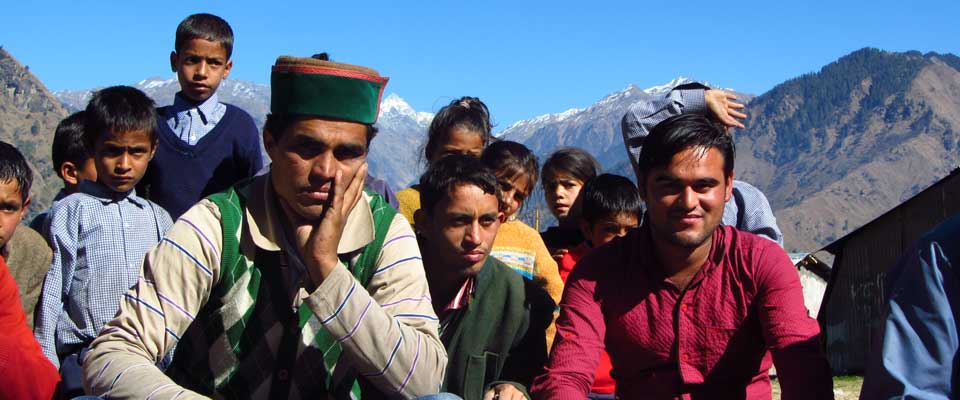
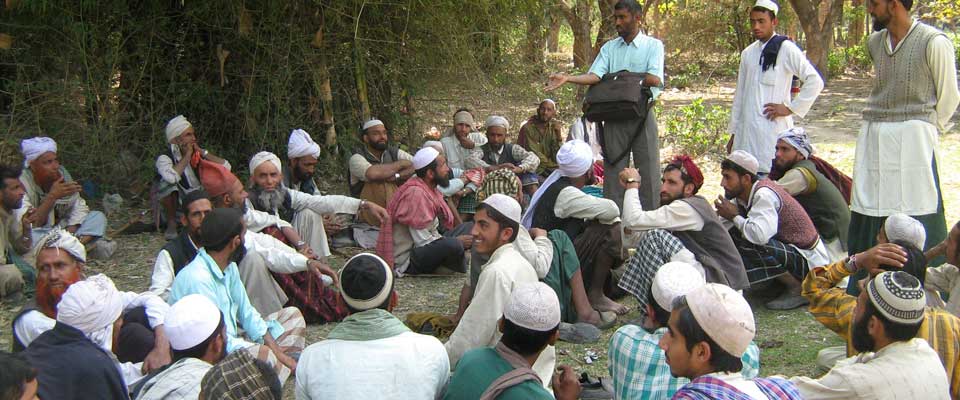
A festival is more than performance or observance. It creates a public space where families exchange news, share food and discuss the coming season. Children learn songs, elders transmit place-based knowledge and producers meet buyers. Social mobilisation can be as important as ceremony.
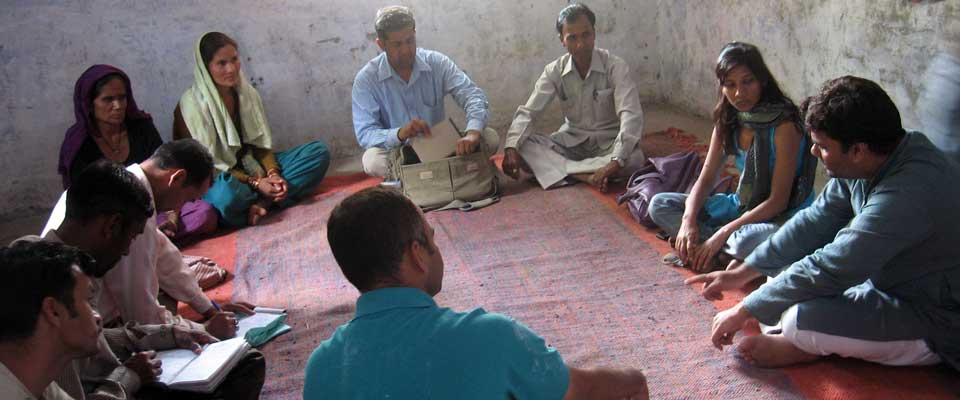
SOPHIA, an Indian registered non-governmental organisation, supports this community-led dimension through rights, pastoral livelihoods and advocacy. Its Forest Rights Act resource explains why customary access to grazing, water and forest resources needs legal recognition. A gathering can make shared concerns visible, while projects turn collective demands into government conversations.
Buffalo, milk and forest resources
The seasonal calendar is closely connected to buffalo husbandry. Animals need fodder, water and rest, while their milk supports household nutrition, exchange and market income. Lunar and seasonal cues help families coordinate labour, although observation and negotiation guide final decisions. Women’s care work, milk processing and household networks are central to resilience.
Milk marketing adds another layer. A household may sell fresh milk, exchange it for goods or join a collective to process value-added products. Forest produce and livestock sales can follow overlapping cycles, so a festival date may open a window for trade as well as worship. Strong approaches spread income across households.
A comparative lens from Australia
Australian lunar traditions deserve care, not a shortcut into Van Gujjar culture. In Sydney, Melbourne and Brisbane, Muslim communities mark Eid through lunar observation, while Lunar New Year follows a lunisolar calendar. Many Aboriginal Australian nations also use lunar relationships in seasonal calendars, but each nation has its own names, ceremonies and knowledge systems.
In regional Victoria and parts of Queensland, a small buffalo-dairy sector often reaches consumers through specialist cheese makers, farm sales or farmers’ markets rather than mainstream supermarkets. Melbourne’s Queen Victoria Market gives provenance a visible place, much as festival fairs can do for local milk, food and forest products in Himalayan villages. The Australian expression “a fair go” can open discussions about equity without replacing listening.
Supporting community-led festival work
Support should be designed with communities, not announced to them. A festival project can respect a date’s meaning while improving the conditions in which families gather and earn. Pastoralists, women, elders, young people, traders and officials should shape priorities together.
A practical programme can combine cultural respect with practical support:
- Ask communities how they understand lunar dates and festival meanings before publicity or research.
- Fund travel, shelter, childcare, livestock care and stalls so attendance does not create hardship.
- Connect buffalo milk and forest produce with buyers who pay transparent, fair prices.
- Support legal literacy and advocacy on forest and domicile rights, with informed consent.
- Work with Australian universities on lunar ecology while returning findings to communities first.
- Track who benefits so funding reaches marginalised households, not only visible organisers.
Turning cultural timing into lasting resilience
Lunar knowledge is most valuable when it strengthens livelihoods rather than merely displaying heritage. For SOPHIA and its partners, that means supporting forest and domicile rights, pastoral routes, buffalo husbandry and milk marketing. A festival can be a meeting point, but lasting change also requires resource access, fair markets and accountable institutions.
Documentation should preserve the relationship between a date, a practice and an ecological condition without separating festival meaning from everyday labour. When people control the story, they can show how a lunar rhythm supports resilience amid climate pressure, market change and restrictions on forest access.
Australian readers can support this work by learning about SOPHIA’s projects, sharing its media and photo archive, contacting the organisation, or partnering on rights-based research and pastoral marketing. Time, funding or professional expertise can help community-led planning remain visible and accountable.