




When new highways reshape ancient herding routes in Himachal Pradesh
The Himalayan foothills of Himachal Pradesh have long sustained pastoral communities whose seasonal migrations trace paths older than any modern map. Families move with their buffaloes between high-altitude summer pastures and sheltered lowland forests, following a rhythm attuned to snowmelt, monsoon rains, and the availability of fodder. These corridors are not merely economic infrastructure; they are living cultural landscapes woven through generations of ecological knowledge.
Yet beneath the official narrative of progress, new asphalt ribbons are slicing through migration pathways once taken for granted. Highway widening schemes, hydropower access roads, and border infrastructure projects promise connectivity and markets, but they also redraw the geography of pastoral life. As roads multiply across the state's fragile mountain terrain, herders find their ancient routes fenced, diverted, or erased altogether.
The seasonal rhythm of Himalayan pastoralism
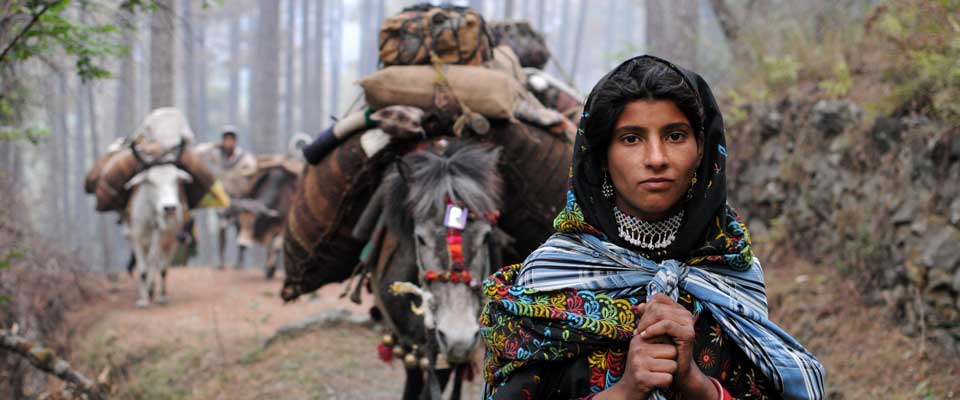
Pastoral communities in Himachal Pradesh, including the Van Gujjar and Gaddi herders, practice a form of transhumance refined over centuries. Each spring, families ascend into alpine meadows where grasses cure under long summer days, then retreat before the first heavy snowfalls to warmer wintering grounds. Along the way, they pass through specific forest groves, river crossings, and community grazing lands recognised by neighbouring villages as shared commons.
This rhythm depends on a network of footpaths, riverine corridors, and forest clearings. The timing of movement is calibrated to the flowering of specific fodder trees and the behaviour of predators. Children learn the routes alongside their elders, absorbing place-names, medicinal plants, and the locations of reliable water sources. The whole system functions as a distributed, inherited map that no single document could fully capture.
How highway expansion alters grazing corridors
When a new four-lane highway or rural road is pushed through a valley, the impact on herding routes is rarely subtle. The road itself becomes a barrier, as buffaloes and cattle hesitate to cross fast-moving traffic. Where underpasses or cattle grids are absent, herders must detour, sometimes adding days to a journey that was already physically demanding.
Tangible consequences for pastoral households include:
- Loss of access to traditional grazing leases due to road alignment through customary commons
- Increased livestock mortality from vehicle strikes, particularly on unlit stretches
- Greater dependence on commercial feedlots and middlemen, eroding the once-autonomous milk trade
- Pressure to abandon dairying altogether in favour of wage labour along the new road corridors
These shifts ripple outward, affecting local milk cooperatives, gender roles within herding households, and the intergenerational transmission of pastoral expertise.
Ecological knock-on effects
The ecological fallout from disrupted herding routes extends well beyond the livestock themselves. Forest regeneration suffers when herders can no longer reach remote patches, allowing invasive species to dominate cleared areas. Water sources near traditional campsites silt up or are diverted for road construction, affecting downstream ecosystems that villagers depend on for irrigation and household use.
Wildlife corridors that once overlapped with grazing paths are also fragmented. Species such as the Himalayan tahr and musk deer find their movement patterns altered, and human-wildlife conflict intensifies when animals are forced into narrower habitat patches. The cumulative effect is a slow erosion of the ecological resilience that sustained both herders and the forests they depended upon for generations.
Social and cultural ripples within herding communities
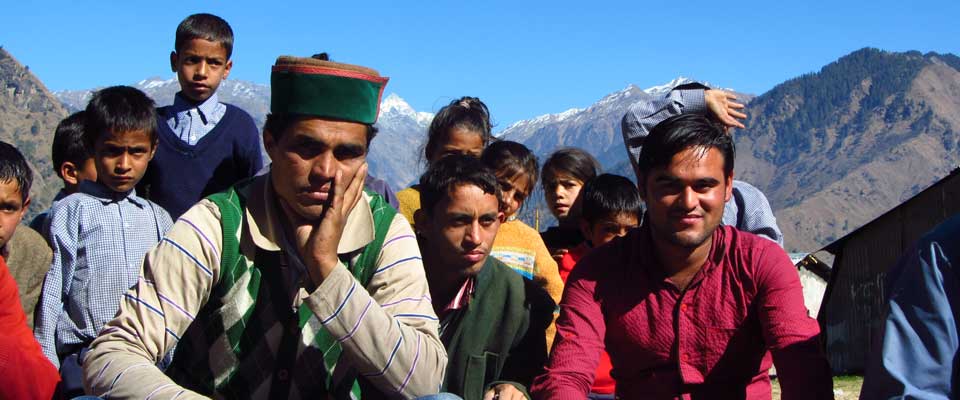
The social fabric of herding villages is tightly bound to mobility. Seasonal migrations create webs of kinship across valleys, with marriages, festivals, and mutual aid arrangements structured around predictable encounters on the trail. When those pathways are disrupted, these networks begin to fray in ways that are difficult to repair.
Younger herders, already tempted by urban opportunities in cities like Melbourne or Sydney, see little reason to fight for an obstructed livelihood. Elders mourn the loss of songs, stories, and grazing lore that may vanish with the last generation to remember the old paths. Community organisations have stepped in to record oral histories and customary route maps before they disappear entirely, recognising that documentation alone cannot replace lived practice.
A distant mirror: pastoral routes down under
Australian readers will recognise parallels closer to home. The Great Dividing Range once structured similar seasonal movements for Aboriginal communities, while the great stock routes of Queensland still channel cattle across vast distances under informal agreements between graziers. The Dingo Fence, stretching thousands of kilometres across the continent, shows how a single linear infrastructure can reshape pastoral life for well over a century.
Even the language of the bush reflects this shared tension. A grazier might describe a lost paddock as "fair dinkum gone" or complain that a new highway has "cut the back paddock off from the homestead". In the Snowy Mountains and around Canberra's nearby high country, alpine grazing traditions have similarly contended with road upgrades, ski resort development, and national park boundaries. The challenges are not identical, but the underlying question echoes from the Himalayas to the Australian Alps: how do modern nations honour pastoral heritage while building the roads they need?
Pathways toward sustainable infrastructure planning
A more thoughtful approach to road building is well within reach. Environmental and social impact assessments can incorporate traditional route mapping, working with community elders to identify migration corridors before designs are finalised. Cattle overpasses, underpasses, and seasonal traffic calming measures have proven effective in similar landscapes elsewhere, and they cost a fraction of the long-term price of community displacement.
Practical measures that have delivered results include:
- Dedicated cattle underpasses built into highway designs at known crossing points
- Seasonal road closures during peak migration windows, enforced with local involvement
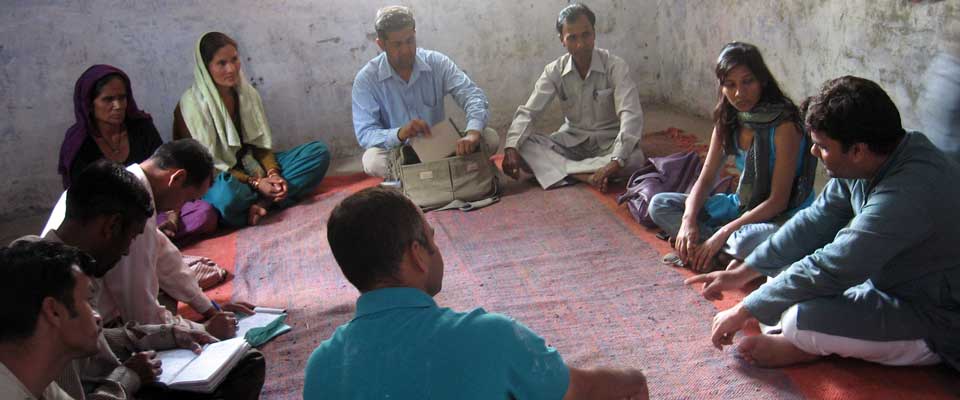
- Community-led mapping projects that document customary routes for planners
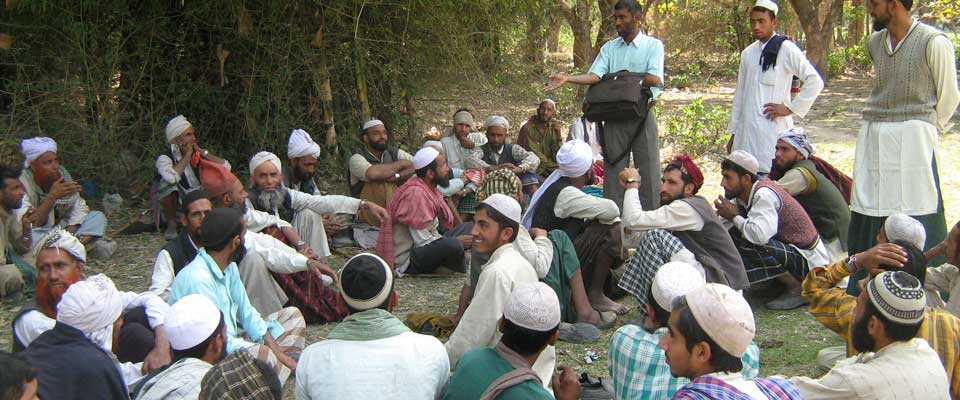
- Joint governance arrangements giving herding communities a formal seat in infrastructure consultations
Indigenous-led planning processes, which give herding communities genuine decision-making power over road alignments, tend to produce outcomes that respect both development goals and cultural continuity. Organisations such as SOPHIA work directly with Himalayan communities to advocate for these rights, partnering with government departments and allied NGOs to ensure that pastoral voices shape infrastructure discussions rather than being overruled by them. Supporting such efforts, whether through donations, volunteering, or simply sharing their stories, helps keep the ancient pathways open for the generations still to come.