




How Eucalyptus Plantations Affect Water And Buffalo Pastures
Eucalyptus trees are valued for fast growth, timber, fuelwood and erosion control, yet dense plantations can alter the water cycle in mountain and foothill landscapes. Their impact depends on rainfall, soil depth, plantation age, spacing, species and the condition of surrounding forests and grasslands. In dry seasons, high water use may reduce streamflow, soil moisture and groundwater recharge.
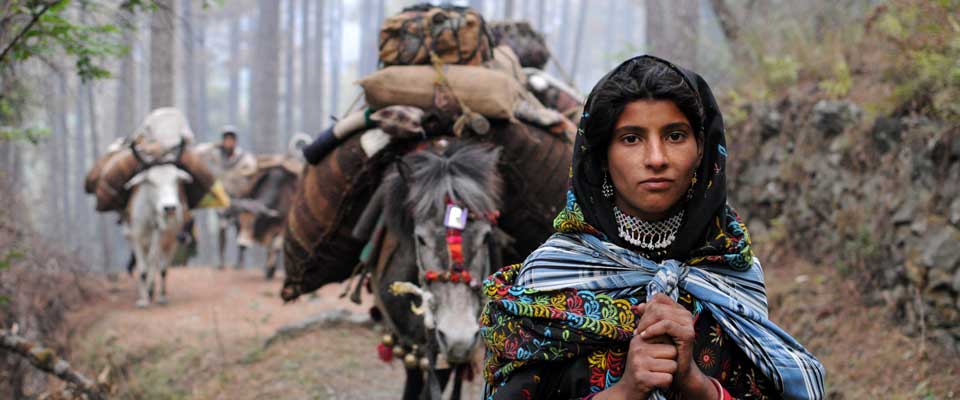
For Van Gujjar communities, these changes are closely connected to everyday survival. Buffalo need reliable grazing areas, shade, drinking water and access routes between seasonal settlements. When pasture quality declines, families may need to purchase more fodder, travel farther or reduce herd sizes, affecting household income and local milk supply. The experience of Van Gujjar communities shows why land and water decisions must include the people who depend on these ecosystems.
How Trees Change The Water Cycle
Eucalyptus plantations intercept rainfall through their leaves and branches. Some of this water evaporates before reaching the ground, while the trees draw additional moisture through extensive root systems. In areas with shallow soils or seasonal rainfall, this can lower soil-water availability and reduce the amount of water filtering down to aquifers.
The effect is not identical everywhere. A well-managed plantation on degraded land may reduce erosion and provide useful products, while a dense stand planted beside springs, streams or pasture can intensify water stress. Older trees generally have greater water demands, and closely spaced plantations often create stronger competition for moisture than mixed, open woodland.
Groundwater recharge also depends on soil structure. Thick leaf litter can slow runoff and support infiltration, but compacted soil, reduced ground cover and heavy harvesting machinery may send rain rapidly downhill instead. The result can be less water stored underground even when a catchment receives substantial monsoon rainfall.
Consequences For Buffalo Grazing
Buffalo are well suited to humid foothill environments, but they still need dependable pasture and drinking water. Eucalyptus plantations can reduce the growth of palatable grasses by shading the ground, drying the soil or producing dense litter that limits new shoots. Where plantations replace open grazing areas, herders may have fewer places to feed animals during lean months.
Reduced pasture affects more than animal nutrition. Lower-quality forage can reduce milk yields, increase dependence on purchased feed and raise the time required to find grazing. These costs matter in communities where buffalo milk supports household consumption, informal sales and small local dairy economies.
Australia offers a useful comparison. In cities such as Melbourne and Brisbane, people are familiar with water restrictions, household rainwater tanks and campaigns encouraging shorter showers. Rural producers also monitor dams and pasture conditions closely because drought can quickly affect livestock expenses. Similar attention to seasonal water availability is essential in Himalayan pastoral landscapes, where a spring or grazing route may serve an entire settlement.
What Australia Can Learn From The Issue
Australian land managers understand that tree planting must be matched to catchment capacity. In parts of Western Australia, South Australia and Victoria, plantation design is assessed alongside salinity, streamflow and groundwater conditions. The same principle applies in Uttarakhand, Himachal Pradesh and Uttar Pradesh: restoring vegetation is valuable, but a single fast-growing species should not automatically replace diverse native vegetation or community grazing areas.
Regulation also matters. Australia’s Environment Protection and Biodiversity Conservation Act 1999 provides a national framework for assessing actions that may significantly affect protected environmental values, while state water laws govern extraction and catchment management. These systems are not directly transferable to India, but they demonstrate the importance of environmental assessment, transparent records and public participation before large land-use changes are approved.
Consumers influence these decisions as well. Australians increasingly look for timber, dairy and food products linked to responsible sourcing. Supermarket purchasing habits, farmers’ markets and demand for traceable products can reward producers who protect waterways and maintain healthy soils. Comparable local milk markets can benefit when buffalo husbandry supports both ecological care and reliable family income.
Measuring Water And Pasture Health
Good decisions require evidence collected over several seasons. Community monitoring can record spring flow, well levels, rainfall, soil moisture, pasture height and buffalo body condition. Comparing open pasture, mixed woodland and eucalyptus blocks can reveal which land uses retain water and provide the most useful forage.
Remote sensing and simple field tools can strengthen local observations. Satellite images may show changes in vegetation cover, while low-cost rain gauges and marked water-level points help identify seasonal patterns. Records should include plantation age, tree density, harvesting dates and grazing pressure, since these factors can explain why two nearby sites behave differently.
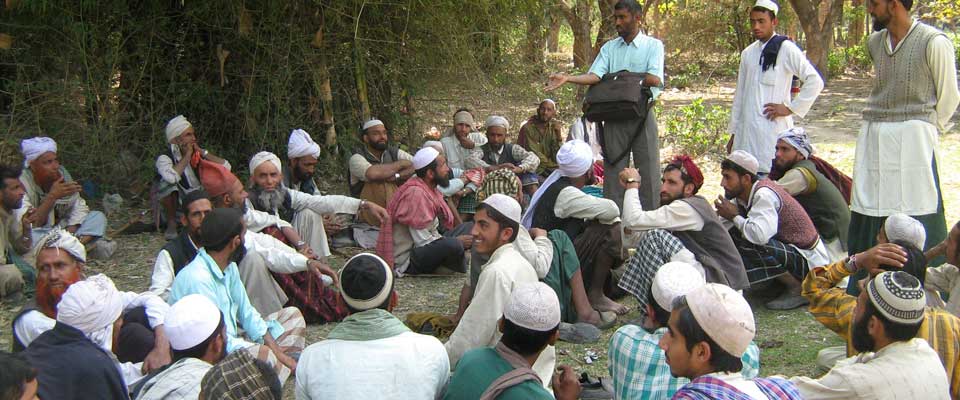
Monitoring should be participatory rather than imposed from outside. Herders know which springs last through the dry season, where buffalo graze safely and when fodder becomes scarce. Combining this knowledge with hydrological and ecological data creates a more accurate basis for government engagement, restoration planning and community rights advocacy.
Practical Responses For Resilient Landscapes
The strongest approach is usually a balanced mosaic rather than blanket planting or blanket removal. Native fodder trees, open grasslands, riparian buffers and carefully managed eucalyptus areas can serve different purposes when their locations and water demands are understood. Springs and stream margins deserve particular protection, while grazing corridors should remain connected.
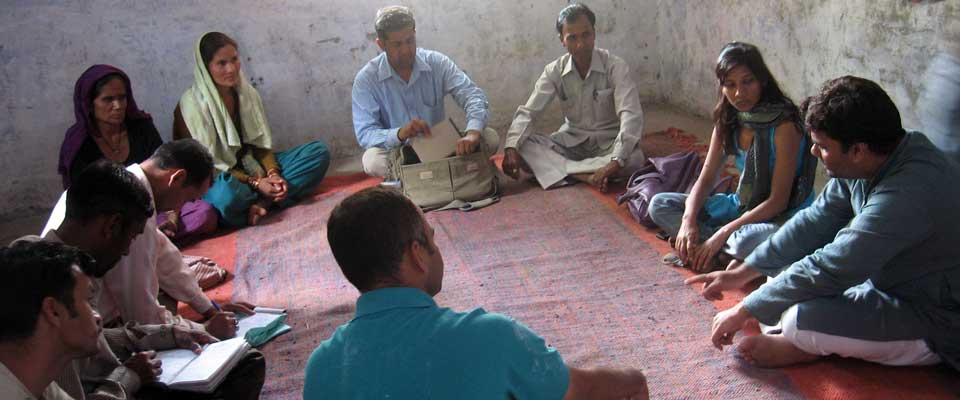
Community agreements can define where planting is suitable, how many trees a site can support and who is responsible for maintenance. Government departments, local institutions, researchers and NGOs can then coordinate around measurable targets instead of treating tree cover alone as a sign of success.
- Protect springs, streambanks and shallow groundwater recharge zones from dense plantations.
- Maintain open buffalo grazing corridors with native grasses and seasonal fodder species.
- Measure groundwater, rainfall, pasture condition and milk yields before and after planting.
- Thin or redesign plantations where water stress, poor forage or declining springs are documented.
- Include Van Gujjar representatives in land-use planning, monitoring and benefit-sharing agreements.
- Link sustainable buffalo products with buyers who value traceability and landscape stewardship.
Protecting water and pasture is central to the future of pastoral families and the health of mountain ecosystems. Support SOPHIA’s rights-based work by sharing its community knowledge, building responsible partnerships and backing projects that keep groundwater, grazing livelihoods and indigenous decision-making at the heart of land management.