




From Jammu Routes To The Shivalik Hills
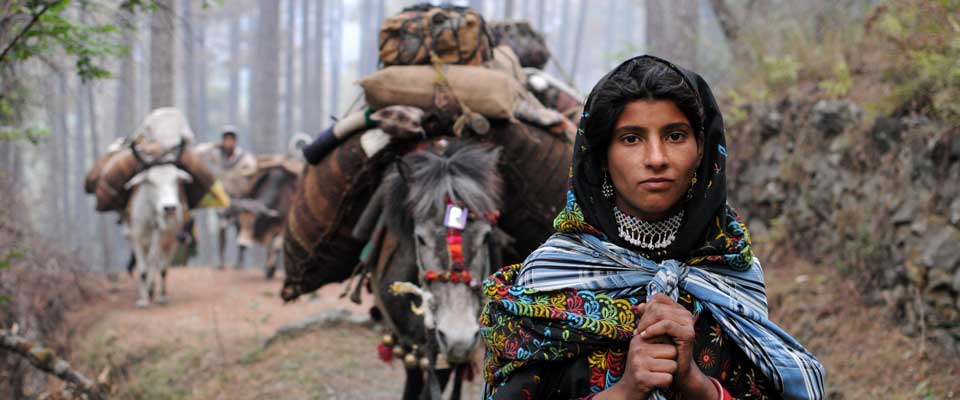
For generations, Van Gujjar families have moved with their buffaloes between the Jammu region and the Shivalik foothills. This seasonal pastoralism follows rainfall, grass, water and forest conditions rather than fixed political borders. The journey is part of a living culture shaped by animal care, family knowledge and changing access to land.
The route has never been a single, unchanging track. Families travelled through the lower Himalayan landscape towards forested areas in present-day Uttarakhand, Himachal Pradesh and Uttar Pradesh. During warmer months, many households moved towards higher grazing grounds; in winter, they returned to the foothills and plains where the climate was milder.
For readers in Australia, the rhythm may be familiar through comparisons with cattle movement across pastoral stations, although the Van Gujjar system is different in its close relationship with forests and buffalo husbandry. A family in Melbourne or Sydney may think about seasonal shopping or checking the weather before a weekend trip; Van Gujjar families have historically planned entire migrations around fodder, water and the health of their animals.
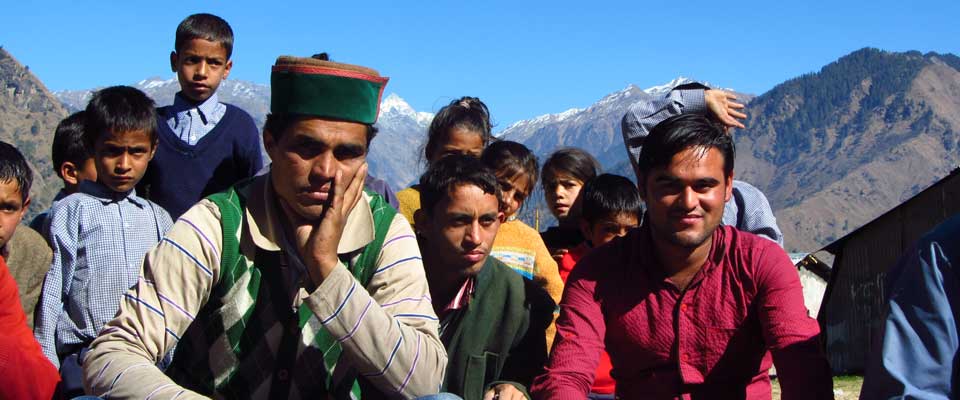
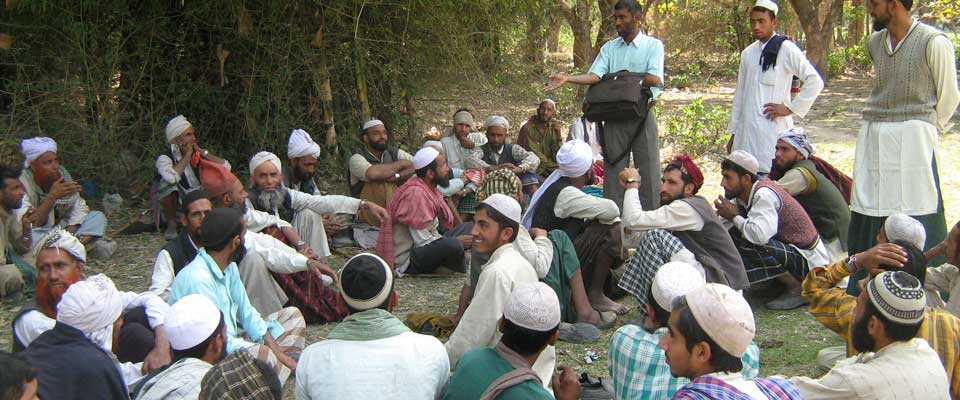
SOPHIA documents these experiences because migration is more than movement from one place to another. It carries memories of customary rights, community institutions, milk trading, forest knowledge and negotiations with government authorities. Understanding this history helps explain why secure forest and domicile rights remain central to Van Gujjar wellbeing.
Pastoral Roots In The Jammu Region
Gujjar pastoral communities have lived across the western Himalaya and adjoining plains for centuries. Many Van Gujjar households developed a specialised buffalo-based economy, producing milk while using seasonal grazing landscapes. Buffaloes provided nourishment, income and social security, making herd care central to household decisions.
The Jammu hills offered access to pasture and water, while routes towards the Shivaliks opened opportunities for winter grazing. Movement was usually organised through family networks and practical knowledge of streams, forest clearings, resting places and market connections.
Why The Shivalik Hills Became Important
The Shivalik range forms a broad belt below the higher Himalaya. Its forests, river valleys and relatively mild winters made it a valuable destination for pastoralists moving south from Jammu and nearby mountain areas. The landscape also connected communities to settlements where milk could be exchanged or sold.
Seasonal migration reduced pressure on a single grazing area. Buffaloes could benefit from different vegetation at different times of year, while families adjusted their routes according to rainfall, disease risks, fodder availability and local agreements.
Routes, Resting Places And Family Knowledge
A migration route was built from repeated experience. Elders passed down information about river crossings, forest boundaries, grazing conditions and safe campsites. Women and men contributed to decisions about milking, cooking, livestock treatment, firewood collection and relationships with neighbouring villages.
These journeys also created social links across regions. Families exchanged news, arranged marriages, maintained religious practices and developed trading relationships. The route was therefore a cultural corridor as well as an economic one.
Forest Rules And Colonial Change
The expansion of formal forest administration during the colonial period changed how pastoralists could use common landscapes. Forest boundaries, permits and restrictions increasingly replaced customary arrangements. Access that had once depended on local practice became subject to official records and rules.
After independence, conservation policies, protected areas and expanding settlements brought further pressure. Wildlife protection is important, yet restrictions without secure alternatives can disrupt buffalo husbandry and undermine household income. The history of migration must therefore be read alongside the history of forest governance.
Partition, States And New Administrative Boundaries
The upheavals surrounding Partition in 1947 affected movement, trade and relationships across the region. Later, the creation and reorganisation of states added new administrative boundaries to older pastoral routes. A route that once crossed familiar seasonal landscapes could require new documents, permissions or negotiations.
The formation of Uttarakhand in 2000 also changed the administrative setting for many Van Gujjar communities. Such changes did not erase customary connections, but they influenced access to forests, schools, healthcare, markets and official recognition.
Livelihoods In A Changing Rural Economy
Milk remains central to many Van Gujjar livelihoods, although selling it can be difficult when roads, collection centres and fair prices are unreliable. Families may face rising costs for animal healthcare, fodder, transport and education. Some households reduce herd sizes or settle for longer periods when migration becomes too uncertain.
Australian readers may recognise parts of this pressure in the supermarket and farmers’ market economy, where consumers want affordable milk while producers face transport and input costs. The difference is that Van Gujjar milk marketing is closely tied to forest access and seasonal movement, not simply farm production.
Rights, Recognition And Community Action
The Forest Rights Act 2006 provides an important legal framework for recognising certain forest rights in India, including community and traditional-use claims. Implementation can be uneven, and documentation, public hearings and administrative engagement often determine whether rights become meaningful in practice.
Australia has its own distinct legal history, including the Native Title Act 1993 and environmental protections under the Environment Protection and Biodiversity Conservation Act 1999. These laws cannot be directly mapped onto India’s system, but the comparison highlights a shared question: how can governments protect ecosystems while respecting the knowledge, identity and lawful interests of Indigenous and customary communities?
What Community Archives Help Preserve
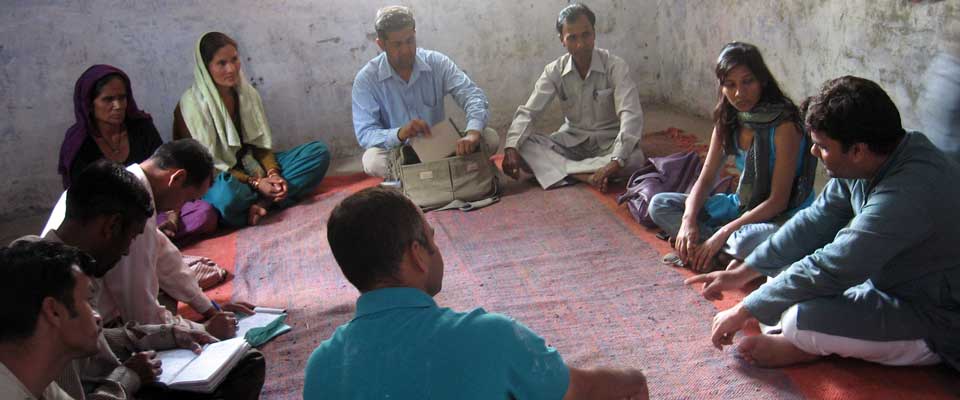
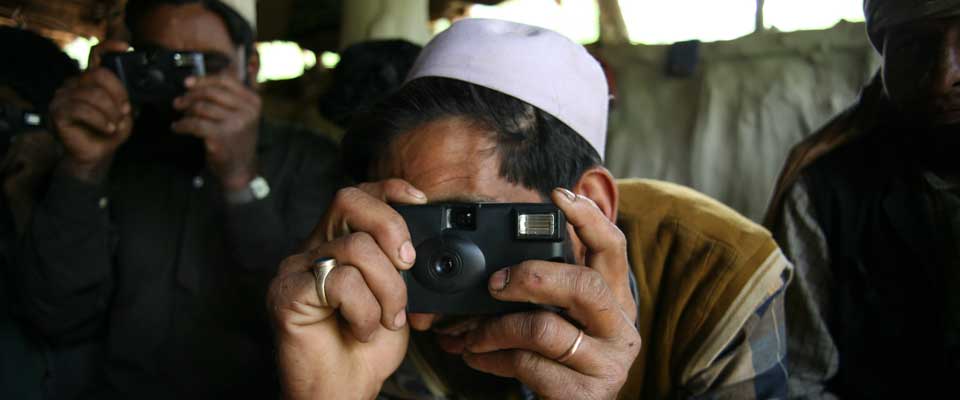
SOPHIA’s work connects historical memory with present-day organising. Interviews, photographs and project records can show how families describe migration, how buffalo care is managed and how communities respond to changes in forest policy.
Key themes in this history include:
- Seasonal movement between Jammu, the Shivaliks and Himalayan foothills
- Buffalo husbandry as a source of food, income and security
- Milk marketing through village and regional networks
- Customary knowledge of forests, water and grazing
- Community efforts to secure forest and domicile rights
These records also help explain why participation matters in development and conservation decisions. Community members bring detailed knowledge that may not appear in maps, land registers or official surveys.
Practical priorities for stronger pastoral livelihoods include:
- Recognition of customary routes and seasonal camps
- Accessible veterinary services and animal vaccination
- Reliable milk collection and fair local prices
- Education and healthcare suited to mobile households
- Transparent engagement between communities and government
- Partnerships that support women’s participation and leadership
Learning this history means recognising Van Gujjar migration as an ongoing cultural and economic system, not a leftover from the past. Support SOPHIA by exploring its community work, sharing reliable information about pastoral rights and connecting its projects with people and organisations committed to equitable, sustainable rural development.