

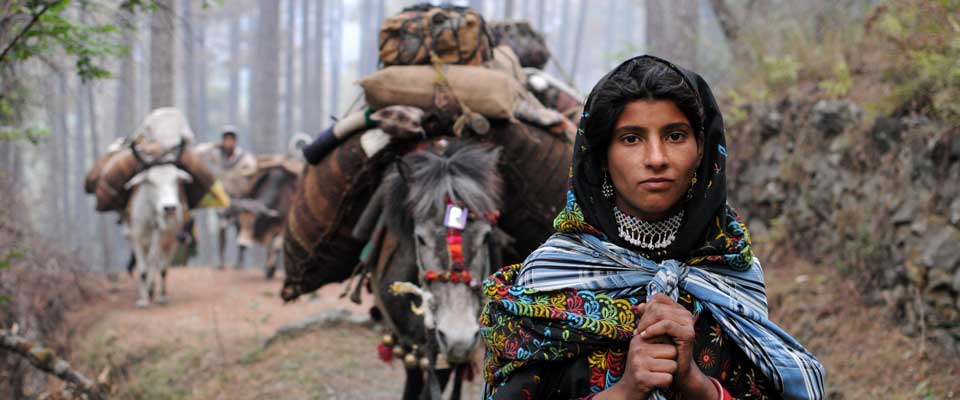









Buffalo ghee at high altitude: traditional fat, modern benefits
For centuries, pastoral communities across the Himalayan foothills have stirred clarified buffalo butter into their daily meals, treating it as both nourishment and medicine. In regions where oxygen thins and temperatures plunge, this golden fat has long been a quiet cornerstone of survival and resilience. Today, interest in traditional fats is spreading well beyond the mountains, reaching kitchens in places as far away as Sydney and Perth.
In Australia, growing curiosity about functional foods and ancestral diets has put buffalo ghee back on the radar of health-conscious home cooks. With Indian grocery shops thriving in suburbs like Harris Park and a steady range of ghee products now lining the shelves of major supermarkets, the question of how this traditional fat fits into modern life is being asked more often than ever.
The heritage of buffalo ghee in mountain communities
In the upper catchments of Uttarakhand and Himachal Pradesh, transhumant families have tended buffalo herds across alpine meadows for generations. These hardy animals, suited to steep grazing grounds, provide milk richer in fat than typical cow varieties. After churning and slow simmering, the resulting ghee becomes a shelf-stable staple for long journeys between summer and winter pastures.
SOPHIA works alongside Van Gujjar herders whose livelihoods are tied to these animals, supporting community-led dairy enterprises that keep traditional knowledge alive. Their practices show that ghee is more than a cooking ingredient; it is woven into rituals, hospitality, and the rhythm of mountain life.
What makes clarified buffalo butter nutritionally distinct
Buffalo ghee carries a unique fatty acid profile that sets it apart from cow ghee or vegetable oils. It is naturally free of lactose and casein, gentle on sensitive stomachs, and rich in short- and medium-chain fatty acids that the body metabolises quickly. It also delivers fat-soluble vitamins A, D, E, and K, along with conjugated linoleic acid, linked to balanced immunity and cellular health.
The high smoke point of clarified butter, around 250 degrees, means it holds its structure under the fierce heat of a Himalayan cooking fire or a wok on a Brisbane balcony. Unlike many refined oils, it does not break down into harmful compounds during frying, roasting, or tempering spices.
Why high altitude demands different fats
Above 2,500 metres, the body works harder to generate heat and conserve energy. Appetite often rises, digestion slows, and the need for calorie-dense, easily absorbed foods becomes more pressing. Traditional mountain diets answer this with ghee, nuts, millets, and pulses, each chosen for warmth and staying power.
Cold, dry air can also irritate the respiratory tract, and fat-soluble vitamins within ghee support the mucosal lining of the lungs. Local wisdom in mountain villages treats a spoonful of warm ghee in the morning as a daily tonic, particularly during winter when frost lingers on the grass until late morning.
Metabolic and respiratory benefits at elevation
Researchers studying traditional pastoral diets have noted that populations eating regular amounts of clarified buffalo butter report fewer respiratory complaints during cold months. The combination of butyrate, a short-chain fatty acid that fuels gut cells, and the lubricating quality of fat appears to support both digestion and breathing at altitude.
For visitors trekking through places like the Snowy Mountains or the high country of Tasmania, this approach can mean steadier energy on the trail and quicker recovery after a long day. A small serve of ghee stirred into rice, lentils, or a morning cup of tea delivers concentrated calories without weighing down the stomach.
Buffalo ghee finds a place in Australian homes
Walk into any Woolworths in Glen Waverley or Coles in Parramatta, and you will see shelves stacked with both cow and buffalo ghee from local and South Asian producers. Australian shoppers are drawn to buffalo ghee for its richer mouthfeel and the marketing claims around purity and traditional processing methods.
At weekend markets in Fremantle or community gatherings in Footscray, conversations often turn to which brand tastes closest to the ghee remembered from a grandmother's kitchen. Many Australians are fair dinkum about paying a little extra for a small jar of the good stuff, treating it as a pantry essential. This shift reflects a broader interest in provenance, traditional fats, and foods that bridge cultural memory with modern wellness goals.
Practical ways to bring buffalo ghee into your routine
Adding buffalo ghee to a high-altitude or wellness-focused diet is straightforward once you understand its strengths. Use it as a finishing fat over steamed vegetables or dal, swap it in for butter when sautéing aromatics, stir a teaspoon into your morning coffee for a creamy lift, or spread a thin layer onto toast instead of regular butter. When heading into cold weather or on a multi-day hike, pack a small jar for quick, energy-dense meals at camp.
For those used to lighter oils, it helps to start small and build up gradually so the gut can adjust to richer meals. A simple weekly rotation of drizzled ghee over greens, stirred into soups, or melted onto grain bowls is usually enough to feel the difference in warmth and stamina, especially during chilly mornings.
- Choose ghee from grass-fed or pasture-raised buffalo when possible, as it carries higher levels of beneficial fatty acids.
- Store it in a cool, dark pantry; refrigeration is not needed and can make it too firm to scoop.
- Start with one teaspoon a day if you are new to higher-fat diets, then adjust based on energy needs and activity level.
- Use low to medium heat for most cooking, as the rich, nutty flavour shines without needing extreme temperatures.
- Pair ghee with millets, lentils, whole grains, and warming spices such as turmeric, cumin, and ginger for a balanced mountain-style meal.
Take a small step today by ordering a jar of buffalo ghee from your nearest Indian grocer or adding it to your next online supermarket basket, and notice how a single traditional ingredient can anchor both flavour and wellbeing.