






The Economics Of Selling Buffalo Milk Through Local Cooperative Networks
For Van Gujjar pastoralists and Himalayan village households, buffalo milk is more than a daily food: it is a source of cash, nutrition, and greater control over household finances. Selling through a local cooperative can connect scattered producers with reliable buyers while reducing dependence on informal traders who may set prices with little transparency.
The economics of selling buffalo milk through local cooperative networks depends on several linked factors: yield, feed costs, animal health, collection distances, testing, chilling, transport, and the value of processed products. A fair system must also recognise seasonal migration, forest access, women’s labour, and the practical realities of pastoral life in Uttarakhand, Himachal Pradesh, and Uttar Pradesh.
Why Buffalo Milk Can Earn A Premium
Buffalo milk usually contains higher fat and solids than standard cow milk. This makes it valuable for ghee, paneer, yoghurt, khoa, and other foods commonly used in Indian households and sweet shops. Buyers may therefore pay more for milk with consistent fat content, provided quality is measured fairly.
For producers, income is shaped by the margin between the farm-gate price and the cost of keeping buffaloes. Feed, veterinary care, breeding, water, shelter, and labour all reduce the amount that reaches the household. When several families sell together, they can spread collection and transport costs across a larger volume and negotiate with dairies from a stronger position.
How Cooperative Collection Changes The Market
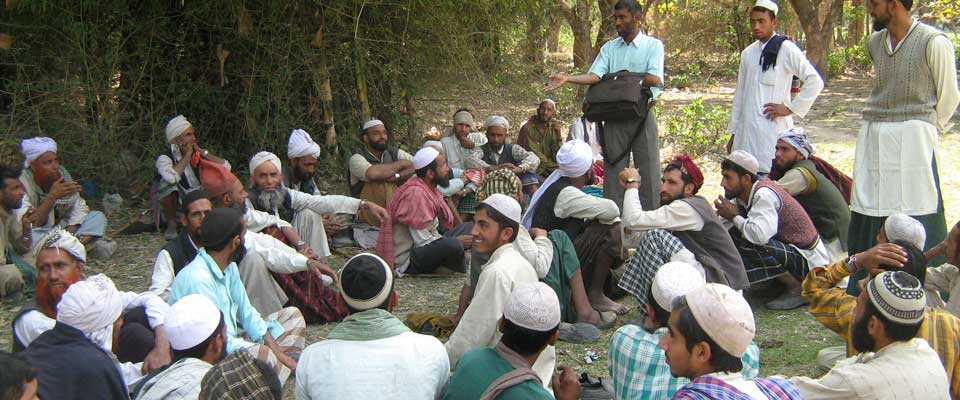
A village milk society can collect milk at a fixed time, record each member’s volume, test fat and quality, and issue payments on a regular schedule. Transparent weighing and testing are essential because even small errors become significant when repeated across many households and many months.
Cooperative networks also create a route to refrigeration and larger markets. Instead of selling immediately to a passing trader, members may supply a chilling centre, regional dairy, restaurant, or processor. This can reduce spoilage and help communities capture value from products such as clarified butter and fresh cheese.
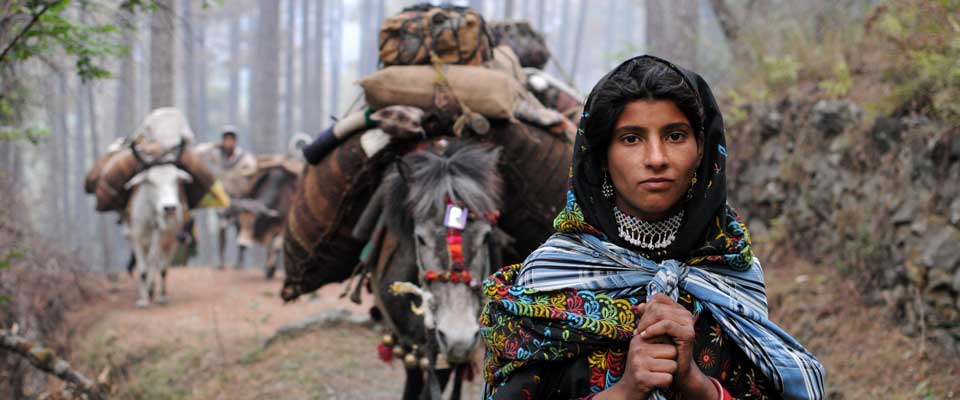
The model must fit pastoral movement. Van Gujjar families may spend part of the year in forests or seasonal grazing areas, so collection points, payment systems, and animal health services need flexibility. Community-led planning can prevent a cooperative structure from excluding families who cannot remain in one settlement year-round.
Costs, Risks, And Household Returns
Milk production is vulnerable to rising fodder prices, disease outbreaks, heat, water shortages, and interrupted transport. A cooperative can reduce some risks through bulk purchasing, shared veterinary visits, vaccination campaigns, and emergency funds. These services have an economic value even when they do not appear as direct cash income.
Women often handle milking, cleaning, feeding, and household-level sales. If payments go only to a male head of household, the people doing much of the work may have limited control over earnings. Member records, joint accounts, women’s committees, and leadership training can make the financial benefits more equitable.
Quality also protects income. Clean containers, rapid cooling, and routine testing help maintain buyer confidence. For Australian readers familiar with strict dairy regulation in Victoria or New South Wales, the principle is recognisable: safe handling is a commercial requirement, not an optional extra. Local Indian cooperatives need practical standards suited to village conditions and available infrastructure.
Lessons For An Australian Audience
Australia’s dairy market is dominated by cow milk, large processors, supermarkets, and formal food-safety systems. Buffalo milk remains a niche product, although demand can be found among South Asian communities in Melbourne and Sydney, where buffalo-based sweets, paneer, yoghurt, and rich chai are familiar foods. These markets show how cultural preference can support specialised dairy value chains.
The comparison also highlights scale. A Himalayan cooperative may work with dozens of small producers rather than a large mechanised farm. Its strength lies in trust, collective bargaining, local knowledge, and the ability to connect pastoral households with buyers. Like farmers’ markets around Brisbane or community food enterprises in regional Australia, the relationship between producer and customer can add value when quality and origin are clear.
Australian consumers also expect traceability, responsible land management, and reliable labelling. For SOPHIA’s partner communities, documenting production methods and pastoral knowledge could help distinguish buffalo products while supporting indigenous rights, forest access, and sustainable livelihoods.
Practical Priorities For A Fairer Milk Chain
A cooperative becomes economically useful when it delivers dependable services rather than simply creating another layer between producers and buyers. The following priorities can strengthen community ownership:
- Set clear prices linked to measured fat, quality, seasonal supply, and agreed operating costs.
- Use simple, auditable records for milk volume, testing results, deductions, and payment dates.
- Invest in collection cans, basic chilling facilities, clean water, and accessible transport.
- Provide veterinary care, vaccination, fodder planning, and advice on buffalo breeding and nutrition.
- Include women and mobile pastoral households in membership, decision-making, and benefit sharing.
- Develop products such as ghee, paneer, yoghurt, and khoa where local demand supports better margins.
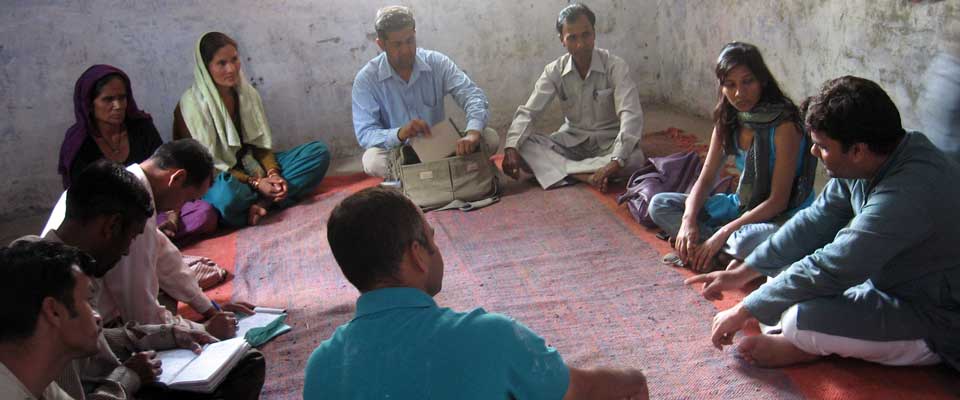
The best results come when economic planning is connected with rights-based community work. Secure access to forests and grazing routes supports animal health and reduces the pressure to sell livestock during difficult seasons. Partnerships with government departments, dairy institutions, and civil society groups can help cooperatives obtain training, equipment, and fair recognition without weakening community control.
SOPHIA can help strengthen this work by supporting social mobilisation, documenting local priorities, and connecting Van Gujjar and Himalayan village communities with responsible partners. Contributions to community-led dairy initiatives, research, advocacy, or market development can help turn buffalo milk into more secure income while protecting pastoral knowledge and indigenous rights.