





Fading Threads: The Vanishing Weave of Van Gujjar Winter Blankets
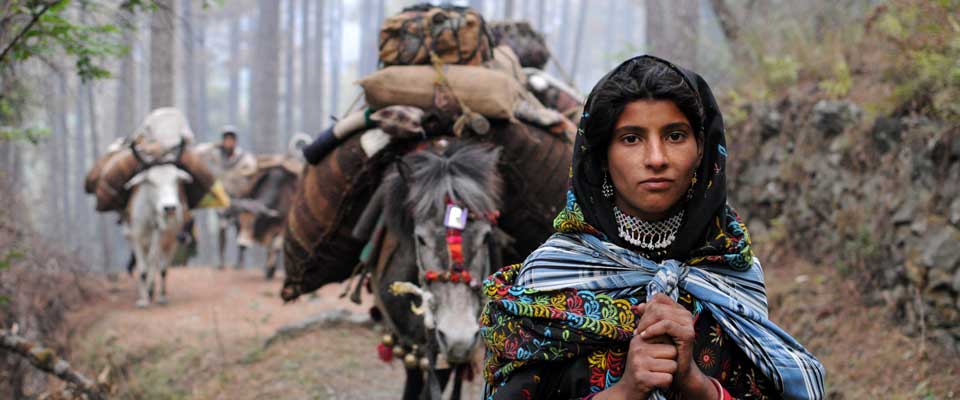
In the lower elevations of the Shiwalik hills, when frost settles on the sal forests and Himalayan winds cut through the valleys, the Van Gujjar community descends from their high-altitude summer pastures to winter camps that have sheltered them for generations. These seasonal settlements, scattered across Uttarakhand, Himachal Pradesh, and Uttar Pradesh, depend on a single textile for survival through the cold months: the hand-woven wool blanket.
For families living in canvas tents and makeshift shelters, the thick, naturally dyed woollen kambal is more than bedding. It is a marker of home, a piece of inherited skill, and a buffer against temperatures that can plunge well below freezing. Each blanket carries the labour of weeks, the memory of mothers and grandmothers, and the subtle patterns that distinguish one clan or region from another.
That inheritance is now fraying. Across the winter camps, the rhythmic clack of the handloom is growing silent, replaced by stacks of factory-made acrylic throws bought from weekly markets in nearby towns. The shift is reshaping daily life, economy, and identity in a community already navigating displacement and shrinking grazing grounds.
Understanding this transition requires looking beyond nostalgia. The decline of hand-woven blankets is tied to globalised supply chains, government welfare schemes, and the steady migration of younger Van Gujjars to cities like Dehradun, Saharanpur, and beyond. It also offers a mirror for other wool-producing regions, including Australia, where the relationship between pastoralists, weavers, and market forces has long shaped rural life.
Wool as a Lifeline in the Himalayan Foothills
The traditional Van Gujjar blanket is woven from local sheep wool, sometimes blended with hair from buffalo or goat, and dyed with natural pigments extracted from walnut husks, turmeric, and indigo plants. A single piece can weigh several kilograms, dense enough to serve as both mattress and covering in temperatures that occasionally drop to minus four degrees Celsius.
In the winter camps, blankets function as currency, dowry, and shelter lining. They are traded, gifted during marriages, and handed down as heirlooms. In a region where modern heating is rare and firewood collection is restricted by forest laws, the textile is a literal survival tool, comparable in cultural weight to the bush blankets once carried by stockmen across the New South Wales tablelands.
The Loom in the Camps
Weaving is overwhelmingly women's work, carried out on horizontal pit looms set up beneath tarpaulins or open skies. A skilled weaver can produce a double-sized blanket in three to four weeks, working in concentrated bursts between milking buffalo, collecting fodder, and caring for children. The knowledge required, from carding raw wool to setting the warp threads and executing intricate border motifs, is passed down orally and through years of apprenticeship.
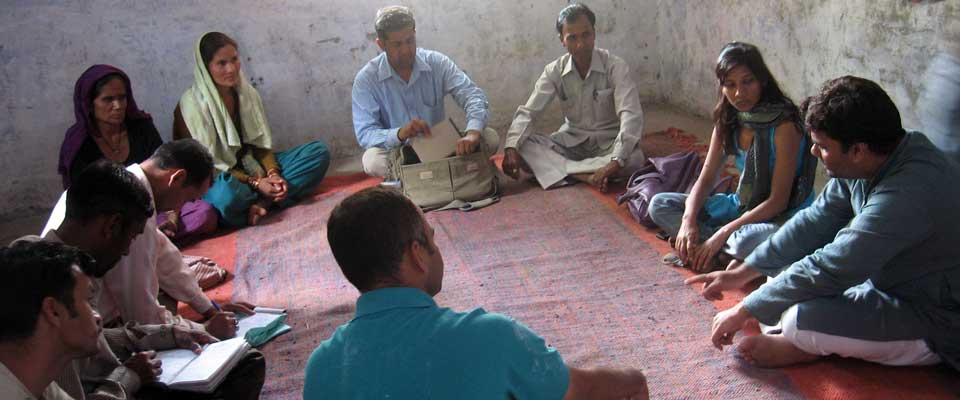
In communities SOPHIA works with, weavers once took pride in regional variations: the geometric borders of the Uttarkashi camps, the deep indigo tones favoured in Saharanpur, the heavier weaves preferred at higher altitudes. Today, only a handful of women in each camp still hold the complete skill set, and the average age of a practising weaver has climbed past fifty.
The Machine-Made Tide
The most visible pressure on this tradition comes from the market. Machine-woven acrylic blankets, often manufactured in Ludhiana or Panipat, now sell for as little as a tenth of the price of a hand-made wool piece. Government distribution schemes, intended to support nomadic families during winter, frequently deliver these synthetic alternatives directly to camps, undercutting the local economy.
The dynamic echoes concerns raised in Australia, where cheap imported textiles have challenged local wool producers and the famous Geelong woollen mills once supplied blankets to nearly every rural household. In both contexts, affordability has outpaced heritage, and the consumer rarely sees the cultural cost embedded in the cheaper product.
Generations Apart
Migration has accelerated the loss. Younger Van Gujjars increasingly seek schooling, healthcare, and wage labour in towns and cities. Those who return to the camps for winter often do so without the patience for the slow rhythms of hand-weaving, preferring to purchase ready-made goods with the cash they have earned elsewhere.
The pattern mirrors shifts seen in parts of regional Queensland, where young workers move between pastoral properties and urban centres like Brisbane and Townsville, leaving behind traditional craft knowledge. Without targeted intervention, the gap between the last generation of weavers and their grandchildren may become unbridgeable.
Cultural Threads and Economic Loss
The disappearance of hand-woven blankets is not merely a heritage issue. It represents a significant loss of income for women, who control the weaving economy within the camps, and a weakening of the community's self-sufficiency. In a single large camp, a dozen active weavers might collectively produce blankets worth several lakhs of rupees each winter, money that circulates locally and supports food, medicines, and school fees.
When that production stops, the consequences ripple outward. Camps lose a reason to keep sheep, which in turn affects the supply of milk, manure, and wool for other uses. The community's negotiating power with government agencies and NGOs, already fragile, diminishes further when its distinct cultural products disappear.
Rebuilding the Weave
Revival efforts are underway, though they remain modest. SOPHIA and partner organisations are documenting weaving techniques, establishing small cooperatives that market hand-made blankets to urban buyers, and linking weavers with designers who can adapt traditional patterns for contemporary tastes. Similar approaches have found traction in Melbourne, where social enterprises collaborate with refugee and Indigenous artisans to sell textiles at venues like the Queen Victoria Market and select galleries along Gertrude Street.
Digital tools offer new opportunities. Online platforms allow remote customers in Sydney, Perth, and Adelaide to order directly from weavers, bypassing exploitative middlemen. Communities are also exploring cooperative models for collective purchasing of raw wool and dyes, reducing the cost gap with synthetic alternatives. For those interested in supporting these initiatives, practical guidance on channelling contributions effectively is available through community funding resources.
The survival of the Van Gujjar blanket depends on a wider recognition of what is at stake. It is a textile woven from sheep raised on alpine pastures, dyed with plants gathered from the same forests the community has stewarded for centuries, and stitched with the knowledge of women who have carried their craft through displacement, poverty, and indifference. Supporting its continuation is not about preserving a museum piece, but about keeping a living tradition warm through the Himalayan winter.
Readers across Australia and beyond can stand with the Van Gujjar weavers by donating to SOPHIA's pastoral livelihoods programme, sponsoring a weaver's training, or purchasing blankets through partner cooperatives. Every order placed, every story shared, and every contribution made helps ensure that the sound of the loom continues to echo through the winter camps for generations to come.