





The Art of Making Buffalo Milk Cheese in Himalayan Villages
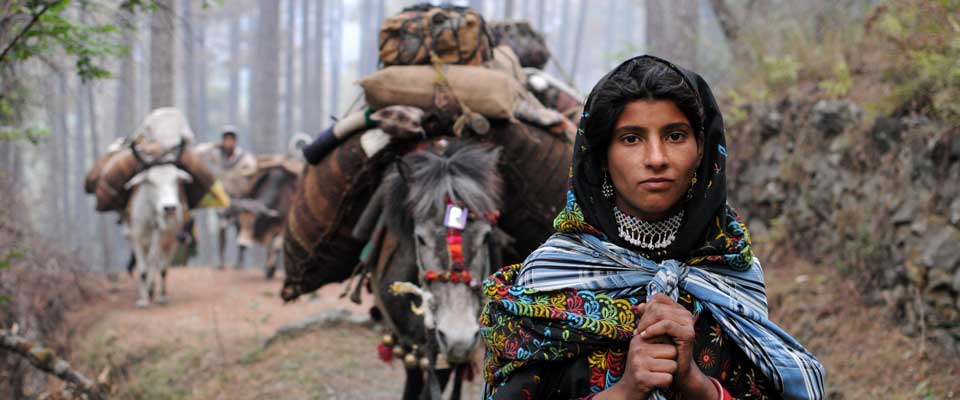
In Himalayan villages, buffalo milk cheese begins with a close reading of place. Pastoral families work with the milk available after morning milking, using household knowledge, simple equipment and seasonal rhythms shaped by forests, grazing routes and mountain weather.
The process is practical, yet it carries cultural meaning. A buffalo is part of a family’s livelihood, diet and security, while cheese offers a way to preserve nutritious milk and create a product that can be shared or sold.
For Australians familiar with cheddar, feta or fresh ricotta, buffalo milk cheese offers a different experience. Its richness comes from the milk’s high fat content, while its flavour reflects local feed, careful handling and the particular method used by each household.
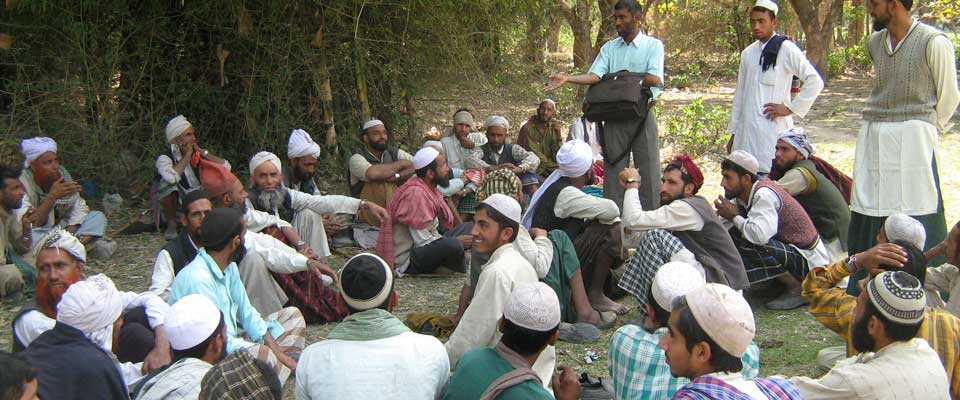
SOPHIA’s work with Van Gujjar and Himalayan village communities recognises that these food traditions are connected to pastoral rights, forest access, sustainable livelihoods and community decision-making. Supporting cheese-making therefore means strengthening knowledge as well as income.
Materials Shaped By Mountain Life
Traditional makers usually need only fresh buffalo milk, a clean vessel, a food-safe strainer, a starter such as curd or whey, salt and a cloth for draining. In remote settlements, tools must be durable, repairable and easy to carry between seasonal locations.
Freshness is central. Milk is strained soon after milking to remove impurities, then warmed gently rather than boiled aggressively. The aim is to protect its body and flavour while creating the right conditions for cultured bacteria to work.
From Fresh Milk To Curd
Once the milk has cooled to a suitable warmth, a small amount of previous curd or whey may be mixed through it. The vessel is covered and left undisturbed until the milk thickens. The timing depends on altitude, room temperature and the strength of the starter.
The set curd can be eaten fresh or heated slowly until the solids separate from the whey. Some makers add a little acidic ingredient, such as lemon juice, when a firmer separation is needed. The curds are then gathered in cloth, pressed and salted.
The Role Of Temperature And Time
Mountain weather makes cheese-making highly responsive to the seasons. In warm periods, fermentation may happen quickly, while cold mornings can require a warmer corner, a covered pot or additional resting time. Experienced makers judge readiness by smell, texture and the way the curd breaks.
This sensory knowledge is difficult to capture in a recipe alone. A batch should smell clean and pleasantly tangy, not sharply sour. The finished cheese may be soft and crumbly, or compact enough to slice, depending on draining pressure and storage conditions.
Skills Carried Through Households
Cheese-making is often taught through observation and repetition. It can provide women and young people with a practical skill that fits around animal care, household responsibilities and seasonal movement. Small improvements in hygiene, packaging and pricing can increase the value of each litre of milk.
Community-led enterprise can also connect traditional skills with wider training opportunities. Stories such as how a tailoring enterprise grew from practical training show how income pathways can expand when knowledge is supported by confidence, tools and market access.
Useful habits for a consistent batch include:
- Start with clean hands, vessels and cloth.
- Use milk that has been handled and cooled promptly.
- Keep a reliable starter culture from a fresh, healthy batch.
- Record quantities, timing and weather conditions.
- Store finished cheese in a cool, protected place.
- Sell only cheese that has a clean smell and sound texture.
Food Safety Across Contexts
Australian readers may associate fresh cheese with weekend farmers markets in Melbourne, Sydney or Brisbane. In those settings, chilled transport, labelled packaging and approved preparation spaces are expected. Food Standards Australia New Zealand provides the national framework, while state and territory authorities oversee many practical food-business requirements.
Himalayan village production faces different constraints, including limited refrigeration, long travel routes and changing access to grazing areas. The principles remain familiar: clean equipment, safe water, careful temperature control and honest information about storage life. Any product entering a formal market needs to meet the relevant local regulations.
Value Beyond The Cheese
Buffalo milk cheese can contribute to household resilience when producers have fair access to buyers. Local sales may begin with neighbours, tea shops or village gatherings, then expand through cooperatives, town markets and responsible partnerships.
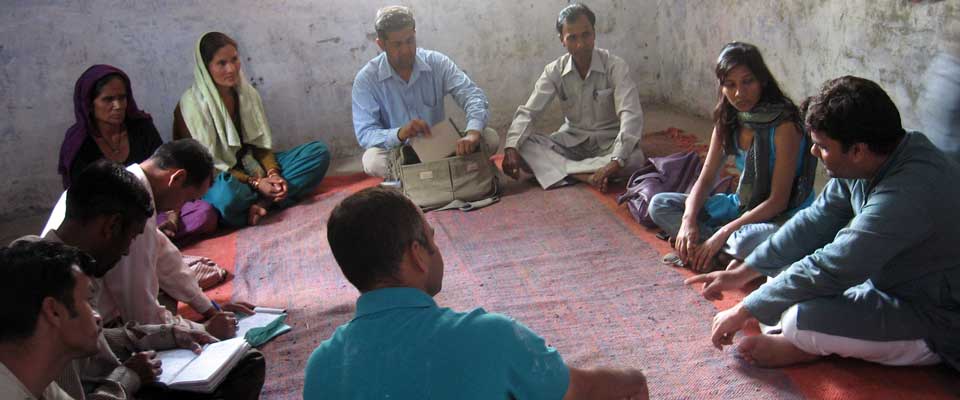
For SOPHIA, this kind of livelihood work sits alongside advocacy for indigenous rights, forest rights and sustainable pastoralism. Community members’ experiences help shape practical programmes, and community testimonials reflect the importance of dignity, participation and locally defined progress.
The wider value of buffalo milk cheese includes:
- Preserving food knowledge across generations.
- Creating an additional use for surplus milk.
- Supporting household income without abandoning pastoral life.
- Encouraging better milk hygiene and animal care.
- Building stronger links between villages and fair markets.
Australian consumers can engage thoughtfully by learning where dairy products come from, choosing transparent producers and recognising that a traditional food is part of a wider social and ecological system. A respectful market values quality while allowing communities to retain control over their methods, names and stories.
Support community-led livelihoods by learning about SOPHIA’s work, sharing its projects and choosing partnerships that respect indigenous rights, pastoral knowledge and Himalayan village priorities.