



SOPHIA's oral history workshops with the Van Gujjar community
Tucked into the lower Himalayas, the Van Gujjar pastoralists of Uttarakhand and Himachal Pradesh carry generations of ecological knowledge in memory, songs, and seasonal migration. SOPHIA, an Indian non-governmental organisation, has worked alongside these communities for years on forest rights, buffalo husbandry, and milk marketing. Its oral history workshops build on that trust to capture vanishing wisdom.
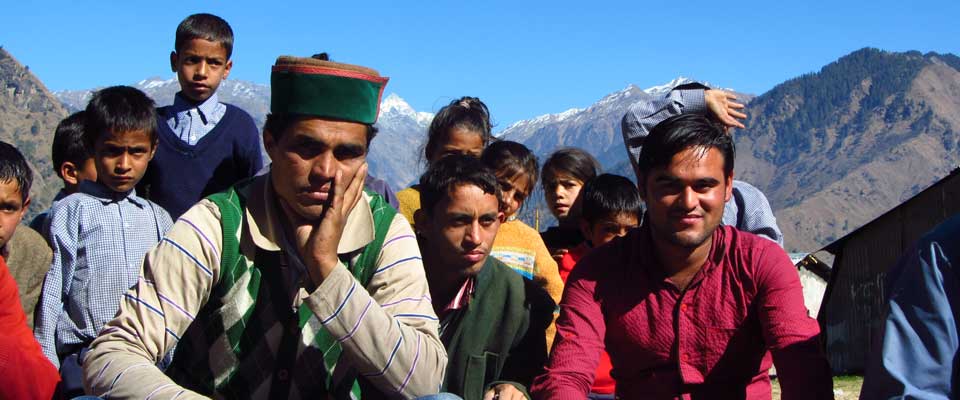
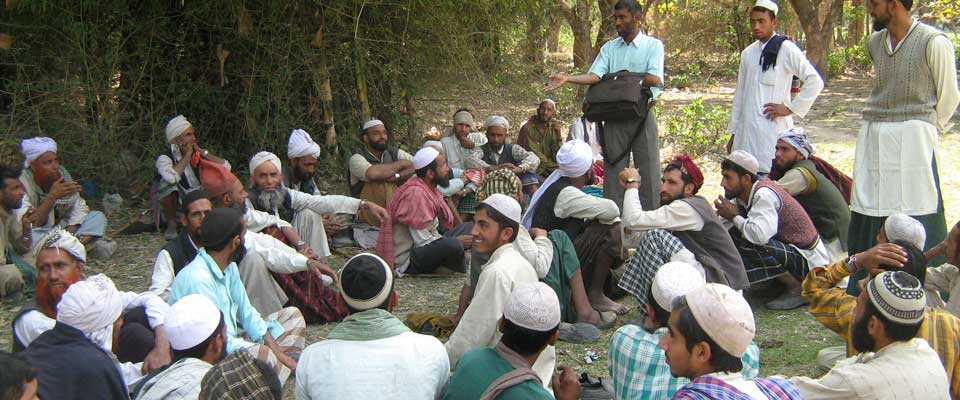
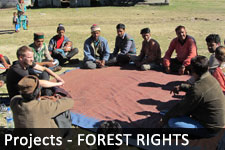
The project gathers elders in village clearings and forest campsites, recording conversations about pasture rotations, river floods, shrine traditions, and the long campaign for domicile certificates. These sessions are run not by outside academics, but by community members trained to ask open questions, use audio recorders, and translate between Garhwali, Hindi, and local dialects.
For an Australian reader, the work echoes the long push by Aboriginal and Torres Strait Islander communities to record First Nations languages, many of which are documented through the Australian Institute of Aboriginal and Torres Strait Islander Studies in Canberra. Both efforts recognise that oral history is not folklore; it is the legal, ecological, and spiritual archive of a people.
The recordings are returned to the community as transcripts, audio files, and short video clips. Local school students use them in lessons, while village councils draw on the material when negotiating with the Forest Department. The workshops are as much about self-determination as they are about history.
The Van Gujjar and their living memory
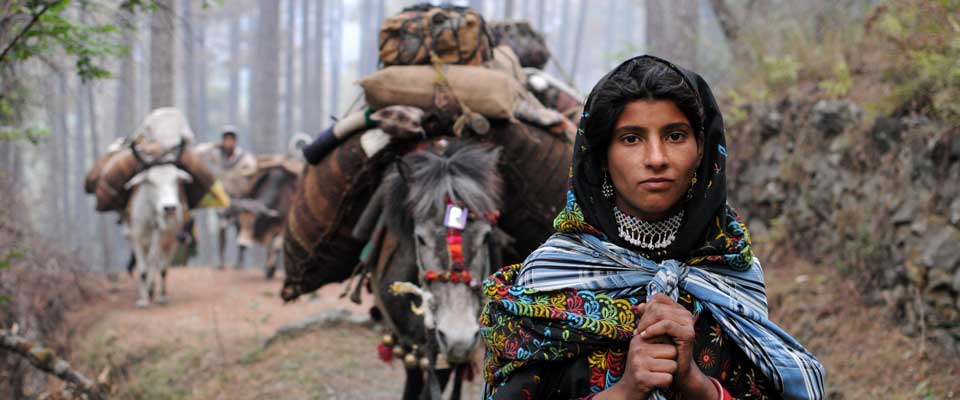
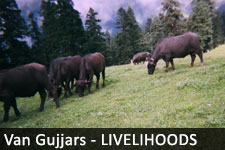
The Van Gujjar migrate each summer to high-altitude bugyals, walking their buffaloes along routes their great-grandparents once followed. Along the way, names of streams, sacred groves, and resting meadows are spoken aloud, teaching the next generation where the land begins and ends. Without written records, these names are the community's deed to the forest.
SOPHIA's field teams have spent more than a decade documenting this seasonal calendar. The oral history workshops formalise what families have always done around a fire, turning casual storytelling into a recorded, archived, and shareable resource.
Inside the workshop format
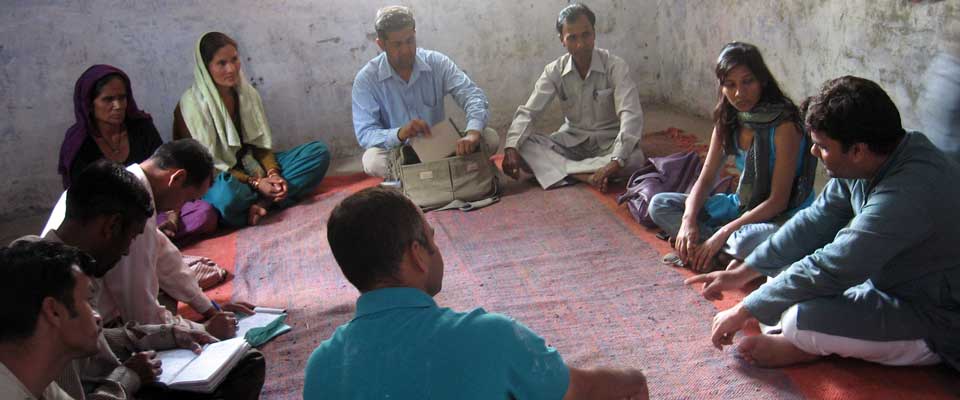
A typical workshop gathers twelve to twenty participants in a community space, often a school room in Dehradun district or a panchayat hall. Facilitators begin with a half-day session on consent, ownership, and how recordings will be stored. Participants agree in writing on which stories can be made public and which remain within the family.
Over the following three days, small groups sit with two elders each, using a structured but flexible question guide. Topics range from marriage customs and grazing disputes to memories of the 2013 Kedarnath floods. The aim is depth, not volume, and the facilitators remind everyone that silence is also part of the record.
Training community storytellers as researchers
A key innovation of the programme is the use of local researchers rather than visiting scholars. SOPHIA selects young Van Gujjar men and women, often graduates of mobile schools run along the migration route, and trains them in basic interview technique, audio editing, and transcription.
These researchers understand the nuance of a half-finished sentence or pointed silence in a way an outsider never could. They return to the same families across seasons, building the kind of trust that turns a one-off yarn into an ongoing relationship. Several have gone on to lead their own village-level documentation drives.
Archiving across languages and dialects
Every recording is transcribed in the original dialect, then translated into Hindi and English. SOPHIA stores the files in a community-controlled digital archive, with backup copies held in Dehradun and shared with partner institutions. Metadata tags include the season, the migration stage, and the consent category of each story.
The archive is not a museum. Village leaders use transcripts to support claims over grazing land under the Forest Rights Act, and schoolteachers weave oral accounts into lessons on local geography.
Linkages with Australian indigenous practice
The parallels with Australian practice are striking. In the Top End and the Kimberley, Aboriginal ranger groups have become the standard-bearers for biocultural recording, blending land management with oral history. Programs backed by the Northern Land Council and the Kimberley Land Council show that communities, not universities, should hold the pen.
SOPHIA's workshops sit in this same global conversation, treating Van Gujjar memory as a living legal and ecological document. The Van Gujjar archive could one day sit alongside recordings held at AIATSIS in Canberra, forming a modest bridge between two of the world's oldest continuing cultures.
Why this work matters now
The average age of a Van Gujjar elder who can name a mountain spring is climbing each year. When that knowledge passes, the community loses not just a name but a right, a use, and a duty of care.
Climate change is shifting the bugyal grazing season, and state forest policies continue to restrict traditional movement. Recording how the migration once worked gives lawyers, planners, and the next generation a baseline to argue from.
Workshop content areas
- Seasonal migration routes and pasture names
- Buffalo breeding practices and traditional veterinary knowledge
- Forest shrine traditions and customary law
- Flood, landslide, and drought memories from the past five decades
- Stories of displacement and the long campaign for domicile rights
How Australian supporters can help
- Sponsor a village workshop for around the cost of a return flight from Sydney to Delhi
- Volunteer remote transcription support, matching the model used by AIATSIS volunteers
- Partner through Australian community foundations that work on indigenous cultural recovery
- Share the project with university anthropology departments in Melbourne, Brisbane, and Perth
- Donate recording equipment, which is sourced in India to keep logistics simple
If you believe a people's history should be kept by the people themselves, stand with SOPHIA today. Visit the website to read the latest field reports, sign up for the supporter newsletter, or contribute to the next round of workshops. Every gift helps a Van Gujjar elder pass a memory, a song, or a name down to the next generation, and keeps the mountain's living archive open for years to come.