



SOPHIA’s Scholarship Program for Van Gujjar Youth in Higher Education
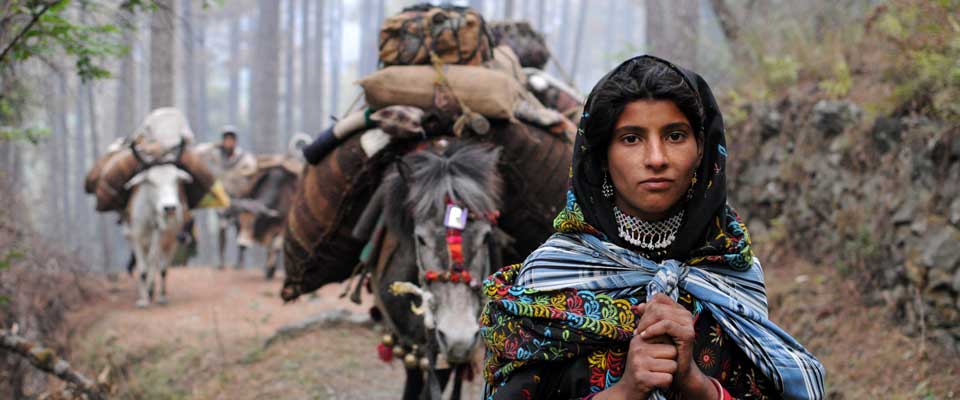
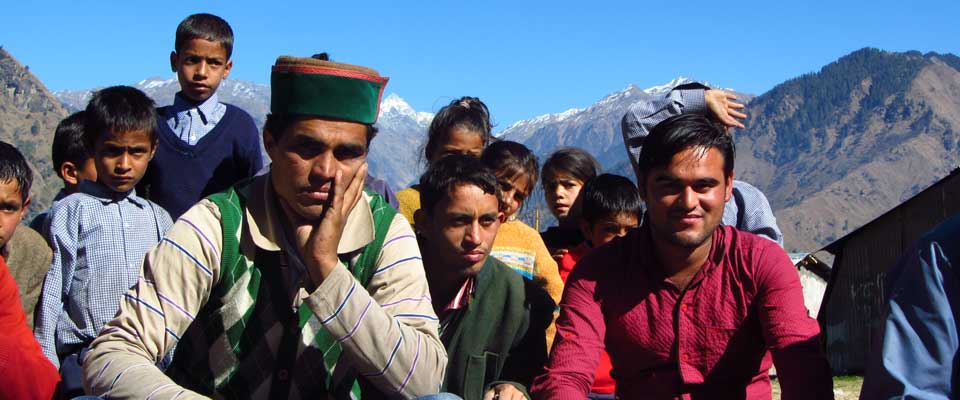
For Van Gujjar families, education beyond school can feel distant when seasonal migration, limited household income and remote settlements shape everyday life. SOPHIA’s scholarship support helps young people pursue college and university pathways while remaining connected to their communities, culture and pastoral livelihoods.
Higher education can open routes into teaching, healthcare, law, environmental studies and public administration. It can also strengthen community leadership, giving young Van Gujjar people the knowledge and confidence to speak about forest rights, domicile status, sustainable buffalo husbandry and fair access to public services.
Why higher education matters
Van Gujjars have long depended on buffalo pastoralism and movement between forest and foothill areas. Their knowledge is valuable, yet formal systems often make it difficult to access documentation, scholarships, accommodation and professional employment. A student may be capable of succeeding academically but still face costs that make enrolment impossible.
A scholarship can help bridge that gap. It supports young people who want qualifications without requiring them to abandon their identity or community responsibilities. Graduates may later contribute as local educators, legal advocates, health workers, researchers or social organisers.
For Australian readers, the situation may be easier to understand through the contrast with remote Indigenous and rural communities in places such as the Northern Territory or regional Queensland. Distance from services, transport costs and cultural obligations can influence whether a student reaches university just as strongly as academic ability.
What scholarship support can cover
The value of assistance extends beyond a single tuition payment. Students may need help preparing applications, arranging travel, finding safe accommodation and purchasing books or digital equipment. These practical barriers can be decisive for learners moving from Himalayan villages to towns and cities.
SOPHIA’s approach places educational opportunity within a wider rights-based programme. Support can help a student remain focused on study while building the skills needed to serve Van Gujjar families and advocate for fair treatment.
Common areas of assistance may include:
- Course fees, admission charges and examination costs
- Travel from remote settlements to colleges or training centres
- Accommodation, meals and essential living expenses
- Books, stationery, internet access and a basic device
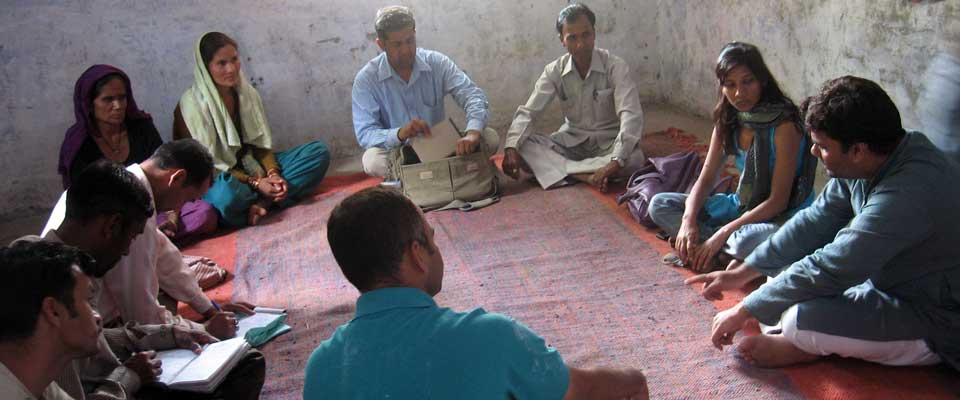
- Guidance with applications, documents and career planning
Education linked to community rights
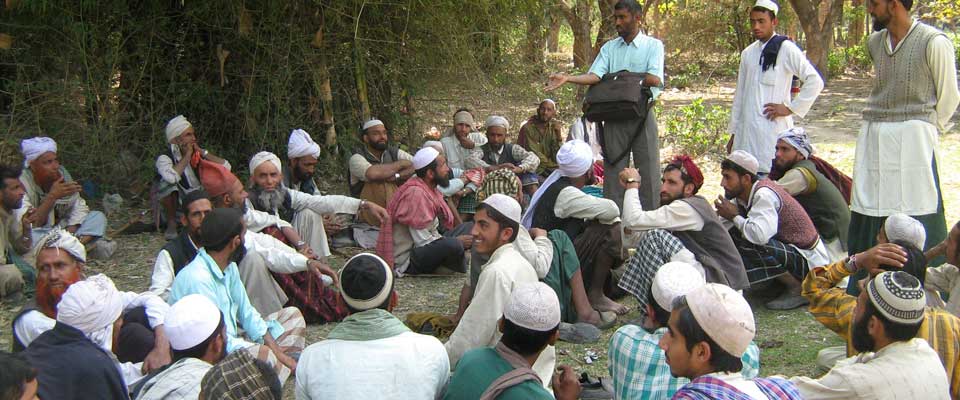
A qualification becomes especially powerful when it reflects the concerns of the community. Students who study law, social work, environmental science or public policy may later help families understand government procedures and pursue recognition of their forest and domicile rights.
SOPHIA’s work on domicile rights shows why education and advocacy belong together. Young people with professional training can translate complex policies into accessible information, participate in consultations and help communities engage confidently with government departments.
This is a long-term investment rather than a short-term donation. When a student returns with new skills, the benefit can reach siblings, neighbours, pastoral households and local youth groups. Education can strengthen community decision-making while protecting cultural continuity.
A pathway for future leaders
Scholarship recipients may become role models for children who have rarely seen someone from their settlement enter higher education. Their progress can challenge the belief that college is reserved for urban or financially secure families.
The programme also encourages a broader understanding of success. A graduate might work in Dehradun, Delhi or another regional centre, or they might return to support pastoral families directly. Both pathways can contribute to stronger representation and better services.
Australian supporters will recognise this community effect from local initiatives in Melbourne, Sydney and Brisbane, where mentoring, language support and Indian diaspora networks often help students navigate unfamiliar institutions. Similar relationships can give Van Gujjar youth confidence while respecting their own leadership.
Practical support from Australia
People in Australia can contribute through informed giving, professional connections and public awareness. Supporters might share the programme through community groups, university societies, multicultural organisations or local Indian associations. A small contribution in Australian dollars can cover costs that are significant in a rural Indian household.
Fundraising can also fit familiar Australian customs. A community stall at a weekend farmers market, a university cultural event or a cricket club gathering can raise awareness without treating the students as subjects of charity. Organisations exploring responsible partnership models may also review ALA Colorado’s approach when considering how values-led support can be communicated.
Supporters should allow SOPHIA and community partners to identify priorities. Locally guided funding is more respectful than imposing a preferred course, technology package or timeline from abroad.
Ways to make a lasting contribution
Australian individuals, schools and community organisations can support educational access in several practical ways:
- Make a regular contribution that helps provide predictable student support
- Host a fundraiser through a university club, workplace or community association
- Share verified information with Indian diaspora groups and social networks
- Offer mentoring in areas such as communications, research or digital skills
- Promote respectful discussion about Indigenous rights and pastoral communities
At the end of the Australian financial year, supporters should keep donation records and check the relevant local tax rules rather than assuming an overseas contribution is deductible. Transparency, consent and clear communication matter as much as the amount raised.
SOPHIA’s scholarship programme gives Van Gujjar youth a stronger chance to shape their own futures. Learn more about its work, share the opportunity with your community and support education that strengthens rights, dignity and sustainable livelihoods.