



SOPHIA’s legal aid clinics and secure land rights
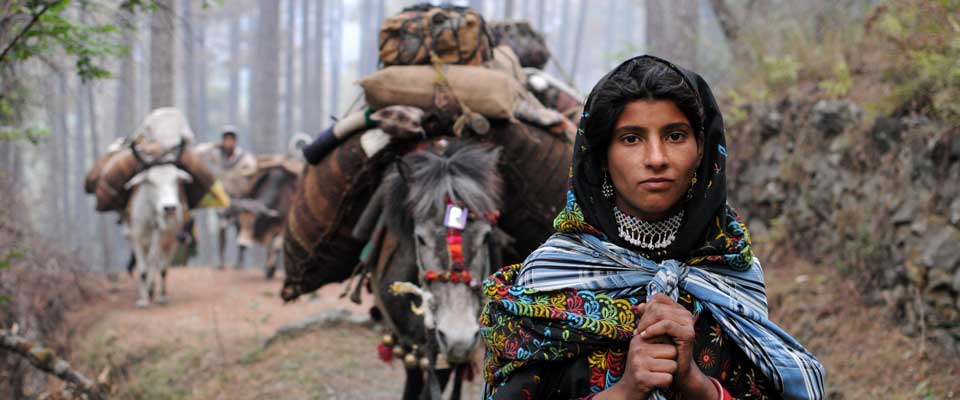
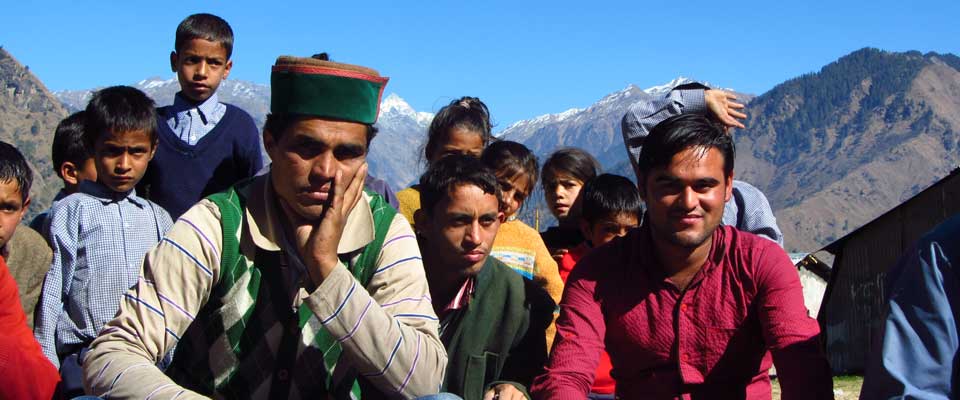
For forest-dwelling families, land is more than a legal asset. It is the foundation of housing, buffalo husbandry, grazing routes, food security, cultural identity and access to public services. SOPHIA’s legal aid clinics help Van Gujjar and Himalayan village communities understand and pursue their rights when official records do not reflect generations of forest-based living.
This work is especially relevant to Australian supporters who know that land rights can shape community wellbeing for decades. The issues are different from those addressed through Australia’s Native Title Act 1993 or the Aboriginal Land Rights (Northern Territory) Act 1976, yet both contexts show why recognition, evidence and meaningful participation matter.
Why secure tenure matters
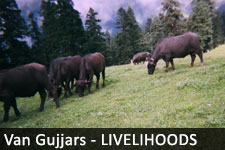
Van Gujjar families have traditionally practised seasonal pastoralism, moving with their buffalo herds between forest and hill environments. When settlement, conservation rules or development projects restrict customary movement without fair recognition, families can face eviction threats, loss of grazing access and difficulty obtaining documents needed for schooling, healthcare or welfare support.
Unclear tenure also affects livelihoods. Buffalo milk may be a family’s main source of income, but animals need fodder, water and safe routes. A household that cannot establish its connection to a forest settlement may struggle to invest in housing, livestock care or local milk marketing.
What community legal support provides
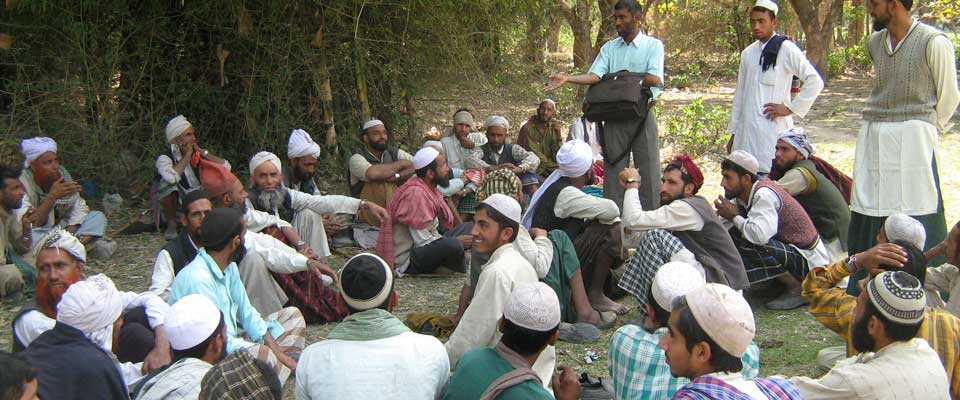
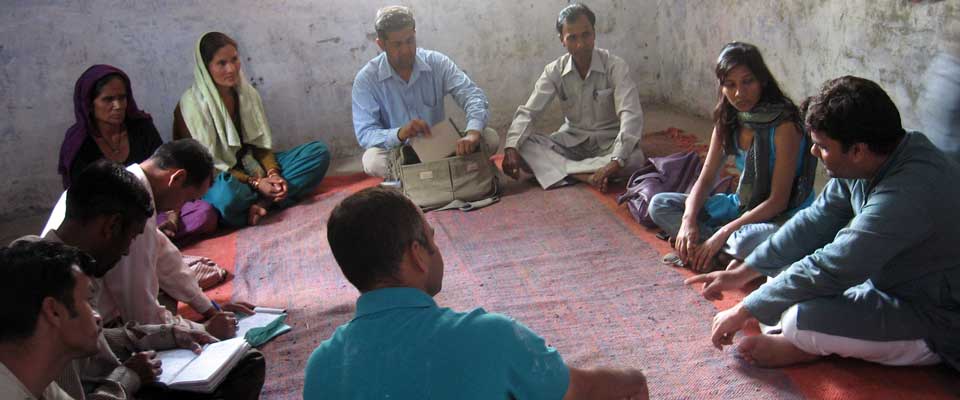
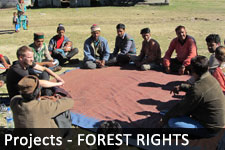
Legal aid clinics create a practical bridge between families and government systems. SOPHIA can help residents identify the relevant claim, collect supporting material, prepare applications and communicate with officials. Community meetings also allow families to discuss shared concerns rather than approaching complex procedures alone.
The assistance is rights-based rather than charity-based. It aims to strengthen people’s ability to speak in Gram Sabha meetings, follow the status of claims, challenge unfair decisions and request written reasons when applications are delayed or rejected.
Understanding India’s forest rights framework
The Scheduled Tribes and Other Traditional Forest Dwellers (Recognition of Forest Rights) Act, 2006, commonly called the Forest Rights Act, recognises certain individual and community rights. These may include habitation, self-cultivation, access to minor forest produce, grazing and traditional community use, subject to the law’s requirements.
A legal clinic can explain eligibility, deadlines, the role of local institutions and the distinction between individual and community claims. It can also help prevent families from signing documents they do not understand or accepting an oral refusal as the final decision.
Building evidence from everyday life
Many forest-dwelling families lack conventional land deeds, but their history may be visible through other records. Witness statements, old ration cards, voter details, school certificates, forest department correspondence, livestock records, photographs and maps can help document residence and customary use.
Community mapping is valuable as well. Families can identify seasonal routes, water points, grazing areas, homes, burial places and shared forest resources. This local knowledge gives officials a clearer picture of how a settlement functions and supports a collective approach to land and forest claims.
Linking land rights with sustainable livelihoods
Land recognition is closely connected to SOPHIA’s work on pastoral livelihoods, buffalo husbandry and milk marketing. A family with greater security can plan fodder production, improve animal health, maintain housing and participate more confidently in local markets.
The same principle is familiar in regional Australia, where remote communities consider how land access affects rangers, cattle enterprises, housing and cultural responsibilities. A legal document alone cannot create prosperity, but secure rights can provide the stability needed for community-led economic activity and environmental stewardship.
Why this matters to people in Australia
Australian audiences may encounter these questions through the lens of Indigenous land justice, bushfire management or regional development. In cities such as Sydney and Melbourne, consumers may buy dairy products without seeing the rural labour, animal care and land access behind them. SOPHIA’s work makes those connections visible.
There are also useful legal contrasts. Native title recognition in Australia can involve proof of continuing connection under complex statutory processes, while India’s Forest Rights Act addresses particular forest-dependent communities and local governance structures. Neither system should be treated as a direct model for the other, but both demonstrate the importance of accessible advice and community-controlled evidence.
Supporting fair and accountable legal action
SOPHIA’s approach works best when legal assistance is combined with social mobilisation, government engagement and partnerships with other civil society organisations. A clinic can help a family file a claim, but sustained follow-up may be needed to secure a hearing, correct a record or obtain an appeal.
Supporters should value careful documentation and informed consent. Families must retain control over personal information, photographs and testimonies, particularly where land disputes or eviction risks exist. Transparent advocacy builds trust and protects the dignity of the people whose rights are being defended.
Practical ways to strengthen community land rights
- Support legal counselling that is available in communities and in languages residents understand.
- Fund travel, document copying, mapping and follow-up costs linked to rights claims.
- Share reliable information about forest rights without promising outcomes that the law cannot guarantee.
- Encourage partnerships between local organisations, paralegals, researchers and responsible government officials.
- Promote ethical milk and livestock markets that recognise the work of pastoral families.
- Respect community consent when publishing stories, photographs or maps from forest settlements.
Secure land rights give families a stronger platform from which to protect livelihoods, care for animals and participate in decisions affecting their future. By supporting SOPHIA’s legal aid and community empowerment work, individuals and organisations in Australia can contribute to practical, accountable action for Van Gujjar and Himalayan communities. Visit SOPHIA’s website to learn about its projects, read community stories and find responsible ways to support rights-based work.