



Stopping child marriage: SOPHIA's work with Himalayan pastoralist girls
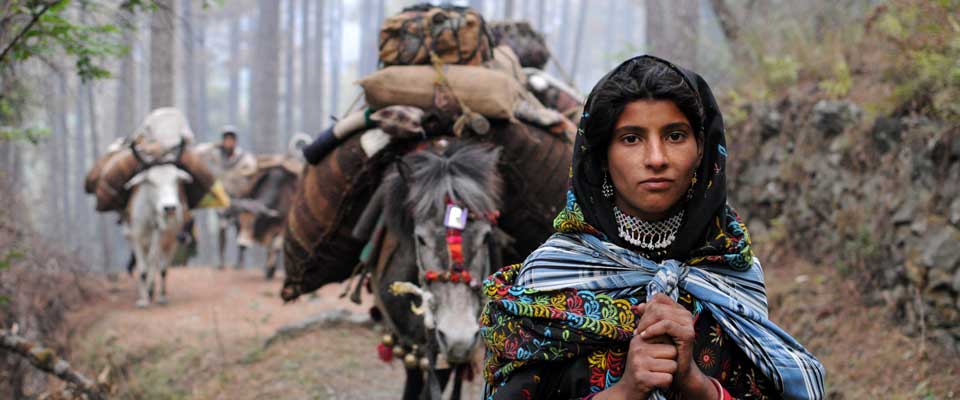
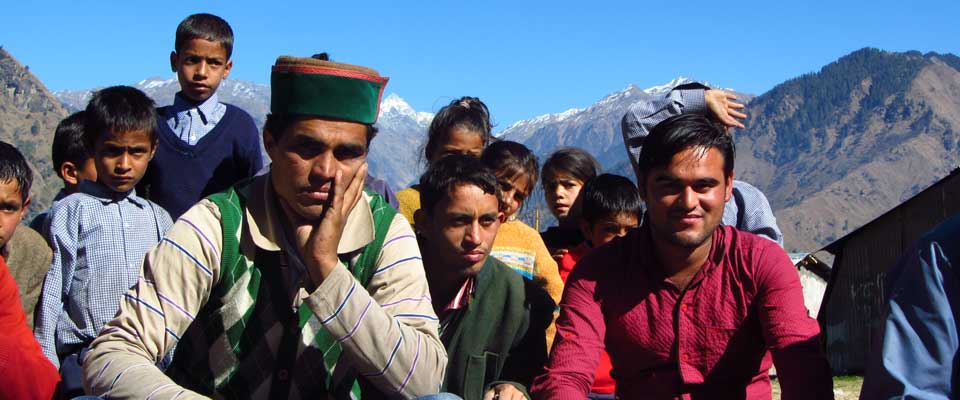
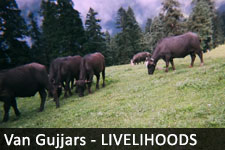
In the high-altitude forests and river valleys stretching from Uttarakhand through Himachal Pradesh and into Uttar Pradesh, Van Gujjar communities have sustained mobile, buffalo-centred livelihoods for generations. SOPHIA, an Indian registered non-governmental organisation, works alongside these communities to defend indigenous rights, secure forest and domicile entitlements, and strengthen pastoralist resilience. The organisation also connects isolated hamlets with the broader policy environment shaping their futures.
Early marriage in such settings is tied to economic precarity, distance from formal institutions, and entrenched cultural expectations. When families migrate through lower elevations in winter and ascend to alpine meadows in summer, girls often fall outside the reach of schools, health workers, and legal protections. SOPHIA's anti-child-marriage work sits at the meeting point of mobility, gender, and indigenous rights, recognising that safeguarding a girl's childhood requires securing the conditions under which her household can thrive.
Why early marriage persists among migratory pastoralists
Life for a Van Gujjar family revolves around seasonal transhumance, and children spend long stretches without access to a stable school. Administrative records may list a child in one district while the family camps in another, and this paperwork reality makes it easier for underage marriages to slip past authorities. Girls in particular are often seen as economic contributors through marriage, while dowry transactions can feel, to stressed families, like a survival strategy.
Within these herding communities, gender norms tend to assign young women a domestic role from adolescence, and girls are frequently withdrawn from learning once they reach puberty. Families also marry early to consolidate clan alliances and settle daughters before the next migration cycle. In remote forest divisions where government outreach is thin, child marriage is reinforced by isolation, illiteracy, and the absence of alternatives.
Rights-based action on the ground
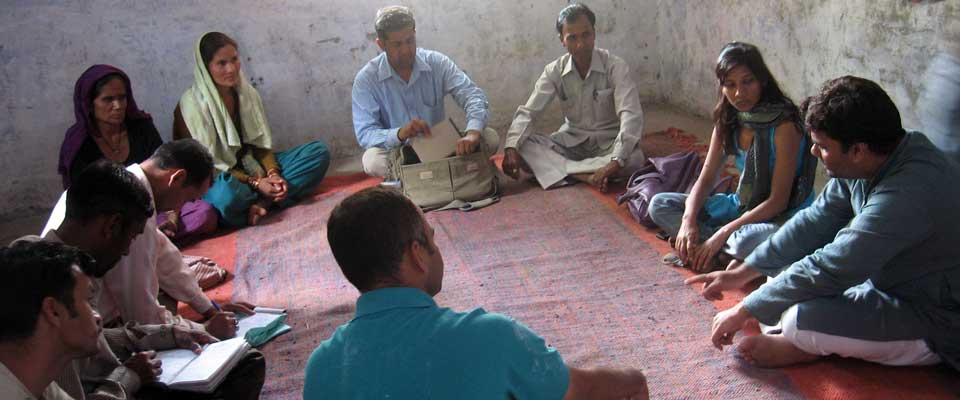
SOPHIA begins by recognising that these communities already possess sophisticated customary institutions, and its task is to strengthen rather than replace them. Field staff work alongside village leaders, women's collectives, and youth networks to surface local solutions, including pledges from fathers and uncles to delay marriage until the legal threshold. Legal literacy camps help families understand entitlements around domicile certificates, ration cards, and the pastoralist welfare programme, which can unlock formal recognition and government services.
SOPHIA also supports adolescent girls' groups that meet during seasonal camps in the lower Shivalik forests and during summer sojourns above the treeline. These groups discuss reproductive health, financial autonomy, and the consequences of early marriage on maternal wellbeing. Mentors from within the community, many of them SOPHIA alumni, run sessions in Pahadi and Hindustani dialects that families use while herding.
Pillars of SOPHIA's community engagement model
- Adolescent girls' collectives that travel with migrating families
- Youth correspondents trained to flag impending underage weddings
- Legal literacy camps held at forest clearing meeting points
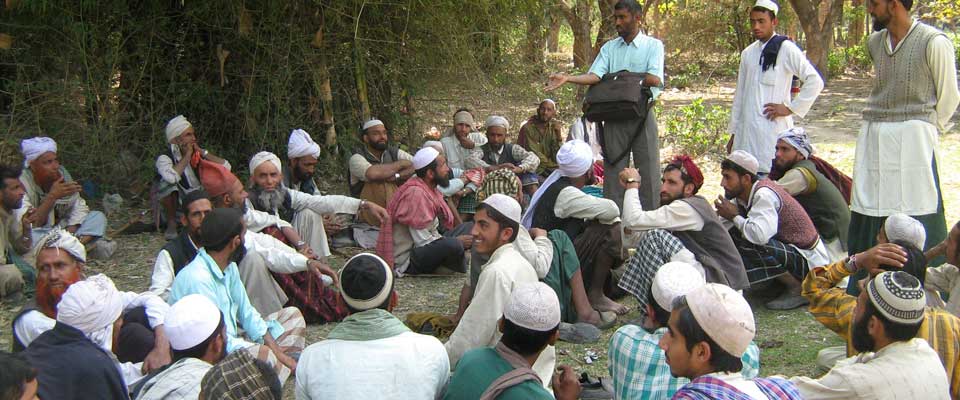
- Elder councils convened to publicly endorse delayed marriage
- Referral pathways linking remote hamlets to district child welfare offices
Social mobilisation and government engagement
Sustaining progress requires pressure on multiple fronts, and SOPHIA combines grassroots mobilisation with deliberate engagement of state structures. The organisation works with district authorities in Dehradun, Pauri, and surrounding districts to update enrolment records so migrating children can continue attending school in their current forest division. It also partners with anganwadi centres, the rural child-care network, to ensure adolescent girls receive nutrition support and life-skills training.
Youth volunteers trained by SOPHIA act as community correspondents, flagging impending weddings below the legal age and liaising with block development officers to enforce the Prohibition of Child Marriage Act. The model is catalytic rather than paternalistic, so SOPHIA steps back once local committees can handle cases alone. Where disputes escalate, the organisation provides legal aid and connects families with district child welfare committees so that interventions remain accountable to the state.
Pathways through sustainable pastoral livelihoods
Economic incentives lie at the heart of any durable shift away from early marriage, and SOPHIA's longstanding work on buffalo husbandry and milk marketing dovetails with its gender agenda. When dairy income becomes more reliable, families can keep daughters in school and delay marriage without sacrificing economic security. Cooperative structures help small herders aggregate buffalo milk, negotiate fair prices with urban dairies, and access veterinary support that reduces herd mortality.
Vocational training in cheese-making, hide processing, and small-animal husbandry gives adolescent girls their own productive role within the pastoralist economy, weakening the perception that marriage is the only dignified path to adulthood. Micro-savings groups, set up through SOPHIA's community partnerships, allow young women to accumulate capital for further education or small enterprise, expanding what she can imagine for herself.
Building lasting alliances across the Indo-Australian development corridor
SOPHIA's work gains traction through alliances with peer organisations, researchers, and international donors, including Australian institutions familiar with supporting Indigenous rights in remote regions. Partnerships with groups based in Sydney, Melbourne, and Brisbane have brought technical support on participatory monitoring and gender-sensitive evaluation. Australian supporters can engage through ACFID-aligned giving platforms, student placements with SOPHIA's Himalayan field offices, and advocacy directed at federal development policy.
Practical avenues for Australian supporters
- Sponsor an adolescent education cycle that follows a pastoralist family through its seasonal migration.
- Contribute veterinary equipment for cooperative dairies that strengthen household income.
- Volunteer legal-aid hours remotely for cases flagged by SOPHIA's community correspondents.
- Host awareness events during NAIDOC Week linking Aboriginal and Torres Strait Islander and Himalayan pastoralist experiences.
- Advocate through aid partnerships for stronger Indo-Australian cooperation on indigenous community development.
If you would like to stand alongside SOPHIA's pastoralist communities, visit the organisation's project portal today and explore how your involvement can help keep Himalayan girls in school and out of early marriage.