



SOPHIA's advocacy for inclusion of pastoralist data in the government census
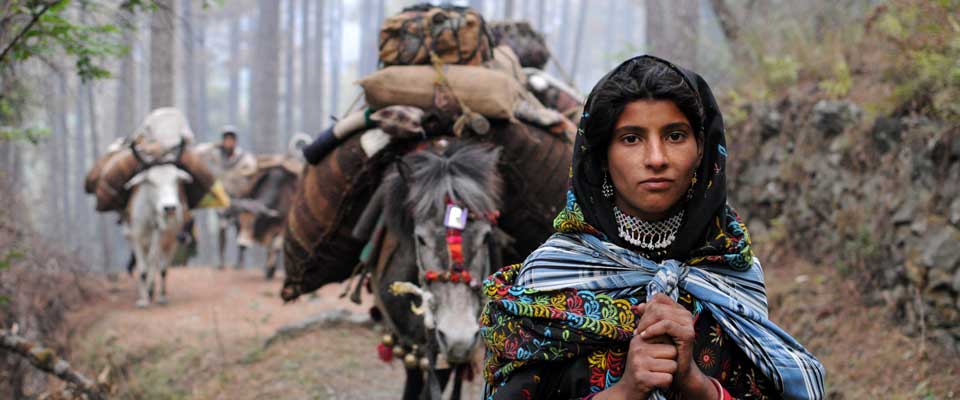
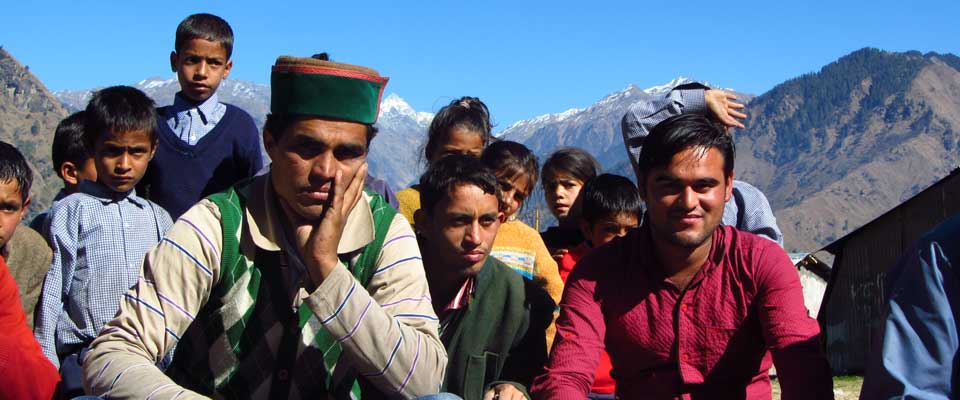
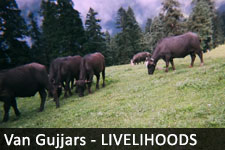
Across the Himalayan foothills, communities such as the Van Gujjars have practised transhumance for generations, moving with their buffalo herds between seasonal grazing grounds. Despite their deep ecological knowledge and cultural presence, these pastoralists often remain absent from official statistics. SOPHIA, an Indian non-governmental organisation working in Uttarakhand, Himachal Pradesh, and Uttar Pradesh, has spent years pushing for the recognition of these communities in government data systems.
The call to count mobile herders is not simply a bureaucratic exercise. Accurate figures shape budget allocations, healthcare outreach, schooling infrastructure, and land tenure protections. When pastoralist households are missed in census rolls, their needs remain invisible to planners in distant state capitals, and decades of marginalisation continue unaddressed.
The invisibility of mobile herders in national records
India's decennial census, conducted by the Office of the Registrar General, relies on settled households as its primary counting unit. Pastoralist families, who live in temporary shelters and cross administrative borders with their livestock, frequently fall outside this framework. Enumerators trained to record fixed dwellings often skip seasonal settlements, assuming them to be abandoned or unoccupied.
The consequences are practical. Without recorded population figures, schools in forested pockets of Uttarakhand struggle to justify a second teacher, and mobile health vans cannot be routed to seasonal camps. Milk cooperatives, which SOPHIA has helped establish to give buffalo herders a reliable income, also lose out on cooperative subsidies tied to official membership counts.
Why counting pastoralists changes policy outcomes
Census data underpins a wide range of welfare schemes, from the Public Distribution System to forest rights claims under the Forest Rights Act of 2006. When a community is undercounted, the per-capita allocation of resources shrinks, and political representation in local panchayats is weakened. In Australia, a similar debate unfolded for decades around the recognition of Aboriginal and Torres Strait Islander people in the national census, eventually leading the Australian Bureau of Statistics to refine its collection methods and allow greater self-identification.
That reform process offers a useful parallel. The Australian experience showed that inclusive enumeration is possible when governments invest in culturally appropriate engagement, train local enumerators, and accept multiple addresses for mobile families. SOPHIA argues that India, too, can adopt such practices, particularly in districts where seasonal migration is the norm rather than the exception.
SOPHIA's evidence-based approach to advocacy
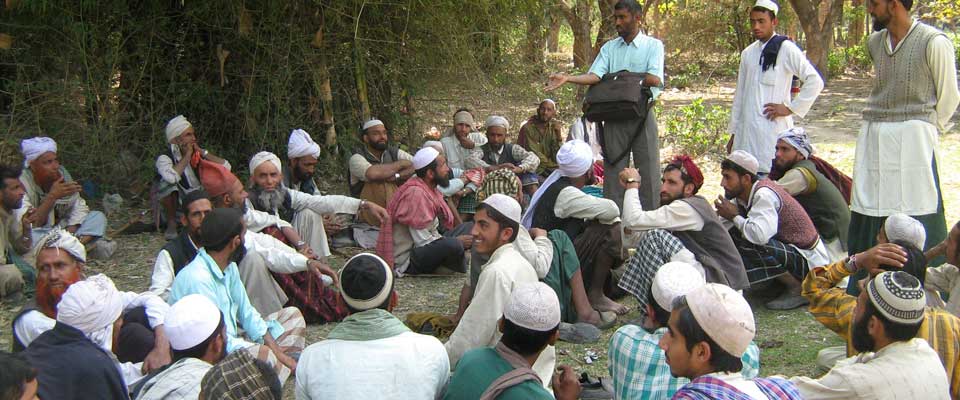
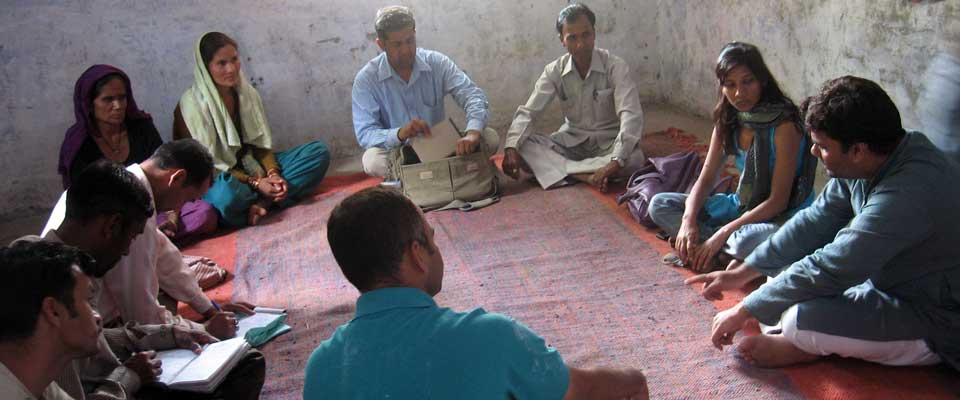
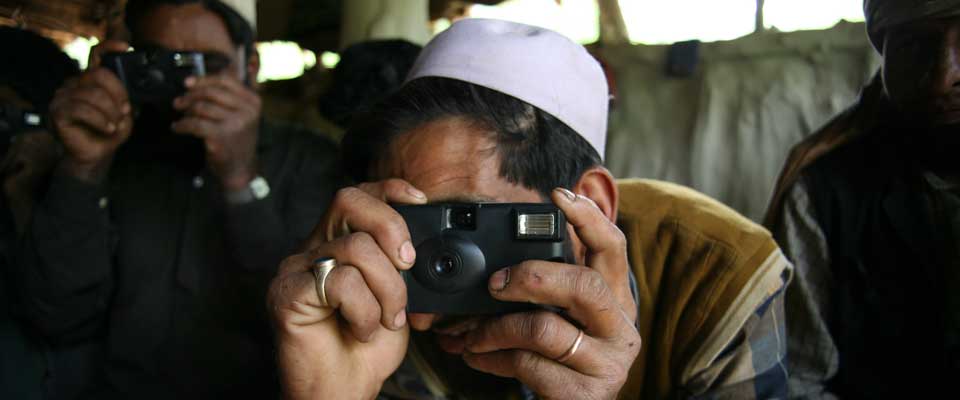
SOPHIA's strategy combines grassroots documentation with high-level dialogue. Field workers travel with herding families during seasonal migrations, recording household composition, livestock numbers, and migration routes. This primary data is then compiled into policy briefs shared with district officials in Dehradun, Shimla, and Lucknow.
The organisation has also engaged with academic researchers and statisticians to design a pastoralist module that could be piloted during future census exercises. Drawing inspiration from cattle-station surveys in the remote Northern Territory, where herders travel vast distances between properties, the proposed module asks questions suited to mobile livelihoods, such as seasonal camp locations, herd ownership patterns, and customary grazing boundaries.
Partnerships that strengthen the case for inclusion
No single organisation can shift census methodology alone. SOPHIA has built alliances with forest rights networks, dairy cooperatives, and academic institutions in Bhopal and Delhi. The milk marketing initiative has been particularly useful, as it provides verifiable figures on cooperative membership and milk throughput that complement household surveys.
Australian supporters can relate to this cooperative model through familiar examples such as dairy processing in Bega or the Murray Goulburn network, where producer data informs industry planning. By showing that pastoralist households already participate in formal economic activity, SOPHIA strengthens the argument that they deserve full recognition in national records.
Recommendations for inclusive enumeration
A practical path forward requires coordinated action across multiple fronts. Stakeholders reviewing pastoralist data inclusion should consider the following:
- Pilot a pastoralist module in districts with high transhumant populations before the next national census
- Train enumerators from within pastoralist communities, using local languages and cultural protocols
- Allow multiple-residence recording so that families who split the year between highland and lowland camps are not penalised
- Integrate satellite imagery and GPS tracking of seasonal camps to cross-verify household counts
- Link census data with existing welfare databases, including ration cards and Aadhaar, while respecting privacy safeguards
- Establish a pastoralist council at the state level to advise on data collection and policy response
How readers and supporters can help
Engagement on this issue does not require specialist knowledge. Visitors to SOPHIA's website can learn more about the communities served, sign up for project updates, or contribute to the milk-marketing programme that funds grassroots organising. Donor support allows field teams to continue accompanying herding families during seasonal migrations and to compile the evidence that decision-makers require.
Australians with experience in agricultural census design, Indigenous data sovereignty, or cooperative enterprise can offer their expertise through short-term volunteering or research partnerships. Sharing SOPHIA's campaign messages on social media helps broaden the coalition pressing for a more accurate, more inclusive count of India's pastoralist populations.