



Sacred Groves of the Van Gujjar: Mapping Living Heritage
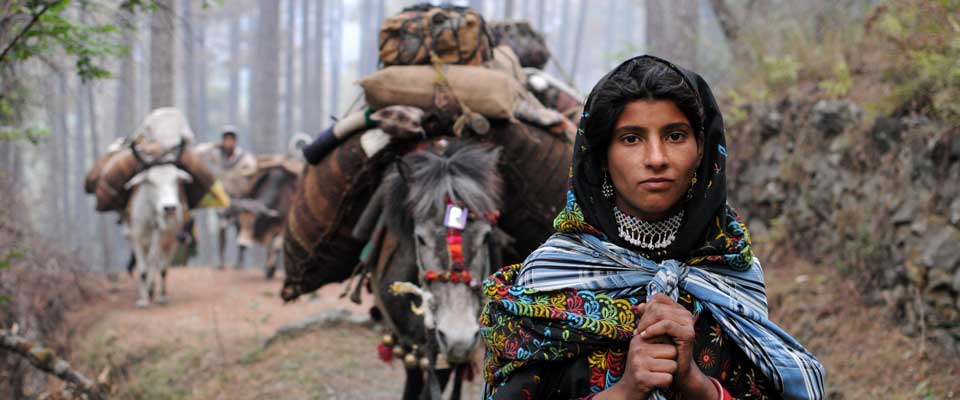
Hidden within the sal forests and deodar belts of the Shivalik foothills, sacred groves called ban or dev van anchor the spiritual world of the Van Gujjar. These patches of untouched woodland, often just a few acres wide, are believed to house deities, ancestral spirits, and the divine energy that sustains buffalo herds and seasonal transhumance between Himalayan meadows and the lowland bhabar. For centuries, mapping these groves happened through oral memory, dreams, and the lived experience of elders.
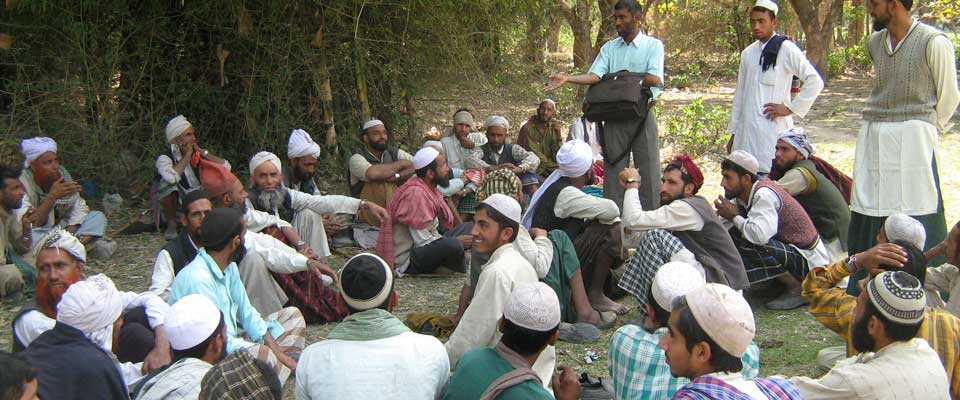
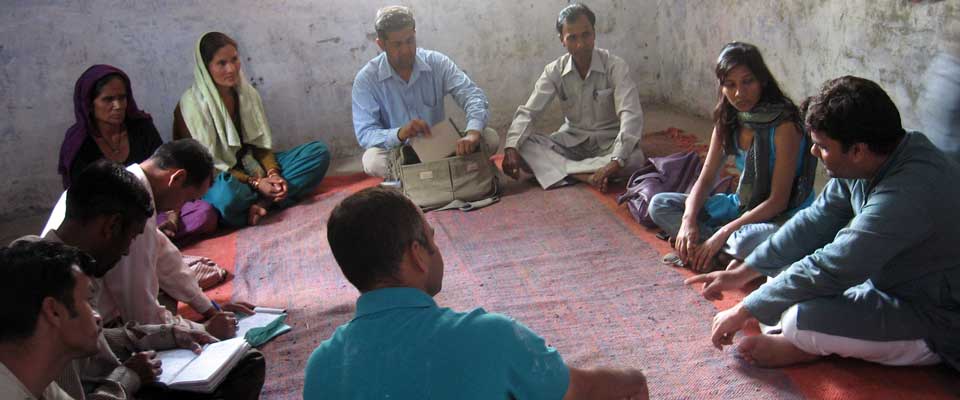
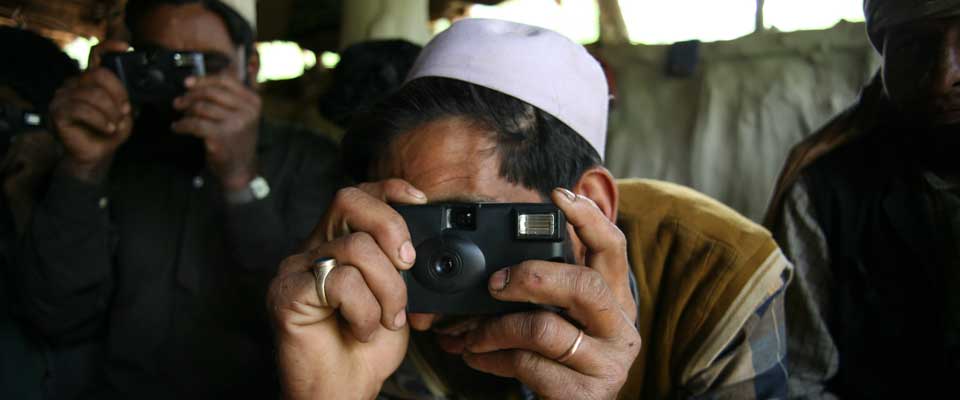
In a region reshaped by highways, plantations, and competing land claims, this inherited knowledge is fragile. SOPHIA's participatory mapping initiative uses handheld GPS units, paper atlases, and community workshops to record the boundaries, deities, and stories attached to each grove, turning spiritual geography into data that forest departments, gram sabhas, and rights-based campaigns can recognise.
The sacred grove as a spiritual compass
For the Van Gujjar, a sacred grove is rarely a temple with walls. It is a forested sanctuary where no axe may fall, no grass may be cut on certain days, and where milk is poured onto ancient roots as an offering. Many groves are dedicated to Shiva, Bhairav, or local devi figures, and disturbing them is believed to invite illness in the herd or misfortune in the household. A grove may be a single tree wrapped in cloth, a rocky spring, or a dense stand of deodar sheltering a stone platform.
The spiritual map of a Van Gujjar village is layered with these sites. They are visited during weddings, when the first buffalo calf is born, or when a family prepares to move with its animals to the high-altitude bugyals. Elders narrate which grove marks the village boundary, which is tied to a particular clan, and which serves as a refuge during floods. This intangible geography is a moral compass, telling people where to graze, where to settle, and where to leave the forest alone.
Why mapping matters for Van Gujjar spirituality
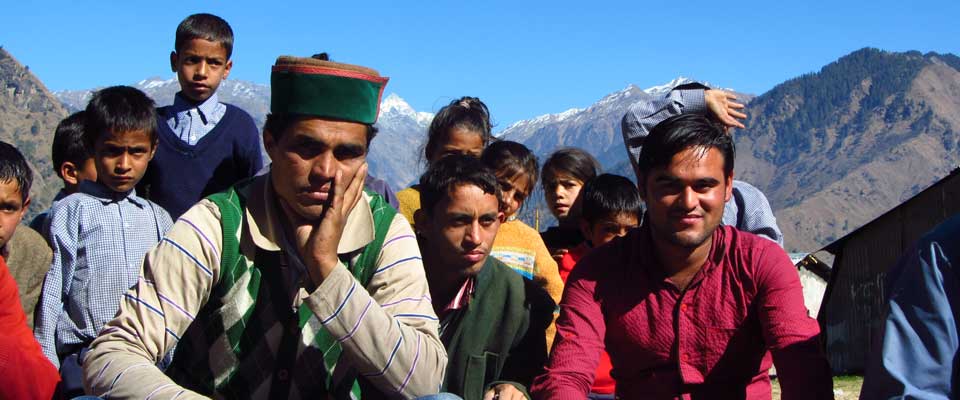
Without maps, sacred thresholds exist only in the minds of a thinning generation of elders. SOPHIA's field teams have walked alongside community knowledge holders in Uttarakhand and Himachal Pradesh, marking waypoints on smartphones and sketching by hand. The exercise is not purely cartographic. It is an act of spiritual preservation, since naming a grove, recording its deity, and registering its coordinates turns oral tradition into evidence that can be defended in a revenue court or a forest clearance hearing.
The process also creates a shared document. A young Van Gujjar woman in Saharanpur can now point to a printed atlas and recognise that her clan's grove sits on the same ridge as a leopard corridor mapped by a nearby reserve. Such cross-referencing helps the community negotiate with the forest department, claim grazing access, and argue for protection under the Forest Rights Act, 2006.
The ecological soul of the grove
Sacred groves are quiet refuges for biodiversity. Because no timber is felled and grazing is restricted, they preserve mature trees, native medicinal plants, and undisturbed soil. Naturalists have found that groves near Van Gujjar settlements sometimes harbour hornbills, civets, and rare herbs that have vanished from surrounding degraded forests. Elders often insist that the grove is the "lung" of the village.
A grove also acts as a water tower. Its canopy slows monsoon rain, its leaf litter feeds the springs, and its roots stabilise the slope. When a road cuts through a grove, downstream villagers often notice their spring drying up within two seasons. Mapping, therefore, links spiritual belief to hydrology, climate resilience, and the safety of buffalo herds that depend on year-round water.
Pressures reshaping the sacred landscape
Several pressures now threaten these groves. New four-lane highways fragment migration routes, and contractors sometimes encroach on protected land. State schemes have, in some areas, replaced groves with eucalyptus and teak monocultures. Climate variability is changing the timing of the spring melt, while tourism in hill stations brings litter, noise, and devotional practices sometimes at odds with Van Gujjar customs.
In many villages, younger members are migrating to towns like Dehradun or to metropolitan centres for wage work, leaving fewer hands to perform seasonal rituals. Without daily practice, the spiritual meaning of a grove can erode, even if the trees remain.
Recognition, law, and community control
India's Forest Rights Act provides a path for communities to claim individual and community forest rights, and a mapped sacred grove can be filed as a cultural and religious habitat. SOPHIA helps prepare claims, gathers evidence, and accompanies Van Gujjar delegations to sub-divisional committees. Successful claims have prevented the felling of old trees, blocked the conversion of groves into quarry sites, and secured access for seasonal rituals.
The organisation also encourages village-level decisions about what counts as sacred. Some communities choose to expand the protected boundary; others fence fragile patches against stray cattle. These decisions are documented and entered into the community atlas, so future leaders inherit not only a record but also a precedent.
Lessons from Aboriginal Australia and indigenous-led conservation
Across the Indian Ocean, Aboriginal communities in Australia have long protected sites of cultural significance, from the rock shelters of Kakadu to the songlines that connect waterholes across the Western Desert. In Melbourne, institutions such as the Koorie Heritage Trust have supported Traditional Owners in recording intangible heritage, and programs like Bushcare and Landcare have helped local groups rehabilitate bushland using cultural burning principles. Brisbane's Aboriginal and Torres Strait Islander organisations are also exploring digital tools to map cultural landscapes, a movement that resonates with SOPHIA's GPS-based grove mapping.
Australian conservation bodies such as the Australian Conservation Foundation and the Australian Indigenous Governance Institute have shown that when Indigenous people control the data, conservation outcomes are stronger and more durable. The Van Gujjar experience echoes this truth. Mapping is not just about coordinates; it is about asserting the right to define what is sacred and what is worth defending.
Practical steps for friends of the Van Gujjar
For supporters who want to walk alongside this work, there are several meaningful ways to engage:
- Sponsor a village mapping workshop in a cluster of Van Gujjar hamlets in Uttarakhand or Himachal Pradesh.
- Contribute to the printing of community atlases kept by village councils and not centralised in state offices.
- Support legal aid for Forest Rights Act claims related to sacred groves and grazing routes.
- Share documented stories through ethical channels that respect community ownership and consent.
- Encourage academic partners in Australian and Indian universities to co-publish findings on sacred groves and pastoral ecology.
- Volunteer with translation and documentation from Garhwali, Himachali dialects, and Hindi into English.
- Fund long-term monitoring of groves, including water flow, canopy cover, and continued ritual use.
If this story resonates with your commitment to indigenous rights and ecological care, consider joining SOPHIA as a volunteer, a researcher, or a long-term donor. Walk the forest paths with the community, learn the names of the groves, and help ensure that the spiritual heritage of the Van Gujjar is mapped, protected, and passed on.