


How Van Gujjar Families Protect Livestock Feed in Drought
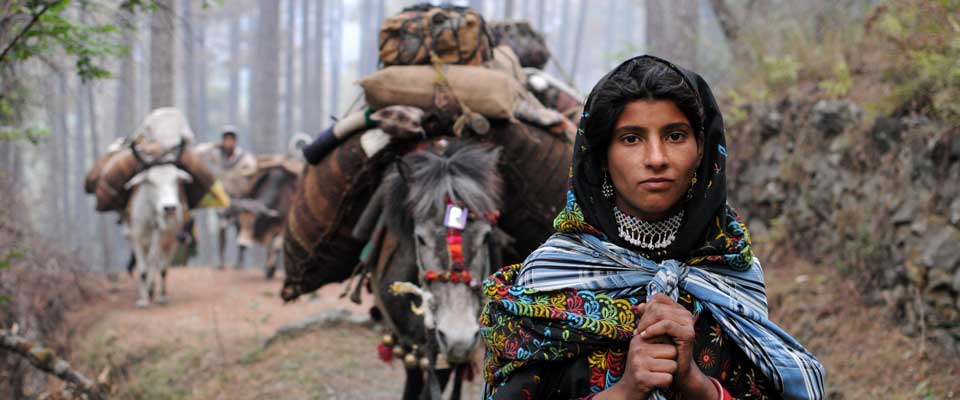
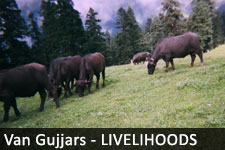
For Van Gujjar families, buffalo are central to household income, nutrition, mobility, and cultural identity. Their seasonal movement between forest grazing grounds and lower winter settlements has traditionally helped animals find fresh fodder throughout the year. When the monsoon is late or rainfall is weak, that balance becomes harder to maintain.
Drought affects more than pasture. Springs shrink, grass matures early, milk yields decline, and families may need to purchase feed at precisely the time when cash is least available. Understanding these pressures helps supporters, government agencies, and partner organisations design assistance that fits pastoral life rather than imposing unsuitable farming models.
Seasonal Movement Shapes Feed Security
Van Gujjar households often move buffalo between forest areas, foothills, and settled villages according to season, temperature, water availability, and grazing conditions. This mobility spreads pressure across different landscapes and allows animals to use natural grasses, leaves, and crop residues at different times of the year.
In a drought year, the usual movement calendar can break down. Families may leave summer grazing grounds earlier, remain near villages for longer, or travel farther to find water and edible vegetation. Restrictions on forest access, damaged routes, and conflict over grazing areas can make these decisions even more difficult.
Reading Pasture And Water Signals
Families assess feed conditions through practical daily observations: the height and colour of grass, the condition of browse plants, the depth of streams, and the distance animals must walk to drink. Buffalo need reliable water for digestion, cooling, and milk production, so a pasture that appears green may still be unsuitable if water points are too far away.
The effects resemble decisions made by graziers across Australia, from cattle stations in Queensland to properties near the Murray-Darling Basin. Australian producers also monitor dam levels, seasonal forecasts, pasture cover, and the cost of transporting fodder. For Van Gujjar communities, however, these choices are closely tied to forest rights, customary routes, and access to common resources.
Household Feed Strategies
During dry periods, families combine several feed sources instead of depending on one option. They may collect dry grasses, tree leaves, crop residues, and locally available fodder, while reducing waste by storing materials under cover and feeding the most nutritious portions to lactating buffalo. Some households also adjust herd movement or breeding plans when feed reserves are low.
Purchased feed can include hay, bran, oilseed cakes, and other concentrates, though affordability is a serious concern. Prices rise when many villages face the same shortage, and transport from markets adds another cost. This is familiar to Australian farmers facing a steep feed bill when hay must be trucked into a drought-affected district, but Van Gujjar families often have fewer savings, vehicles, or formal credit options.
Support that protects dignity and household wellbeing matters during these periods. Alongside fodder assistance, basic household supplies can reduce pressure on limited cash; examples of practical hygiene support show how small, targeted resources can help families manage difficult circumstances with greater security.
Buffalo Nutrition And Milk
Buffalo can make good use of coarse forage, but poor-quality feed still leads to weight loss, weaker immunity, lower fertility, and reduced milk production. Lactating animals need particular attention because milk is often the main source of regular cash income. Families may prioritise green fodder or concentrates for milking buffalo while maintaining dry animals on available roughage.
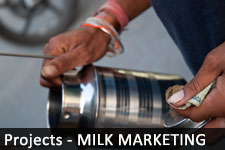
Milk marketing becomes more difficult when yields fall. A household may have less milk to sell, while collection points, transporters, or local buyers continue to expect reliable supply. In India, as in Australia’s Gippsland dairy region, the value of milk depends on quality, volume, collection systems, and bargaining power. Stronger producer groups can help families obtain fairer prices and plan feed purchases.
Community Knowledge And Local Markets
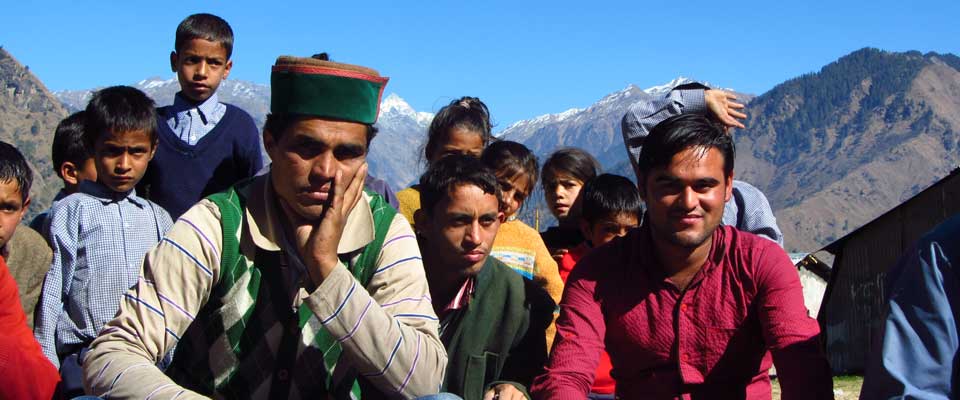
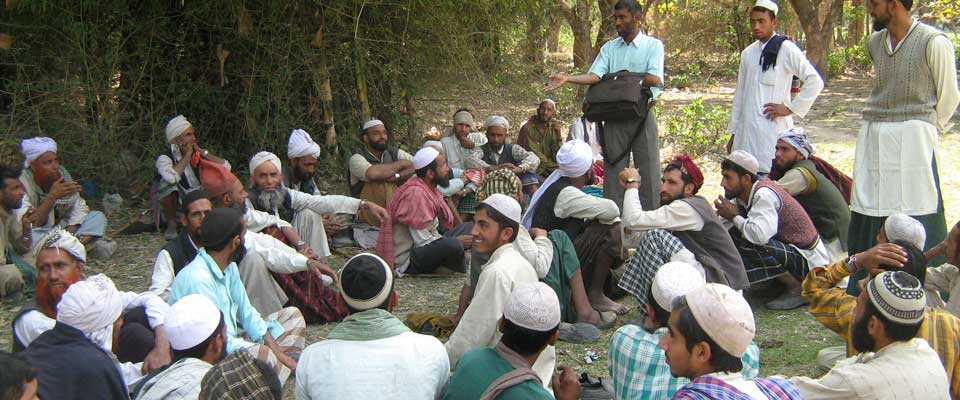
Van Gujjar families often respond collectively by sharing information about grazing conditions, water sources, fodder availability, and safe routes. Kinship networks may help households exchange feed, borrow animals, or coordinate access to seasonal resources. Community mobilisation can make these informal systems more effective when drought affects many families at once.
Local markets remain important, but buying feed in small quantities can be expensive. In Australian country towns, farmers may compare suppliers, arrange bulk deliveries, or use local machinery and transport networks. Van Gujjar communities may benefit from similar collective purchasing approaches, adapted to nomadic movement, limited storage, and village-level cash flow.
Practical Priorities For Drought Support
Effective assistance should build on local knowledge and strengthen the choices families already make. Useful measures include:
- Establish community fodder banks stocked before the dry season.
- Improve access to reliable water points along migration and grazing routes.
- Support small-scale production of nutritious fodder near winter settlements.
- Provide veterinary outreach, vaccination, and advice on drought-related illness.
- Help producer groups negotiate milk prices and purchase feed collectively.
- Protect customary forest access and include Van Gujjar representatives in planning.
- Record seasonal changes in pasture, water, herd health, and household costs.
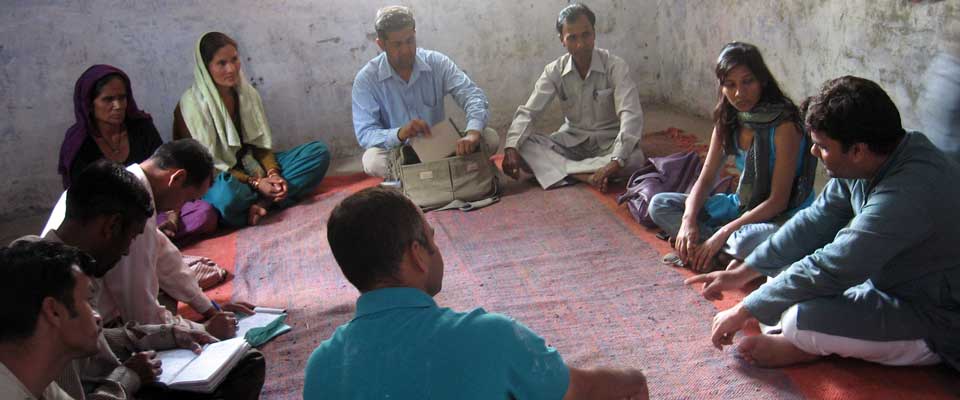
These actions work best when planned with women, elders, livestock keepers, and young people. They should also recognise that a buffalo is an economic asset, a source of food, and part of family life—not simply a unit of production.
SOPHIA works with Van Gujjar and Himalayan village communities through rights-based projects, social mobilisation, advocacy, and partnerships. Supporters can learn about its field programmes, share reliable information, contribute resources, and help amplify community priorities so families can protect their livestock and livelihoods through the next dry season.