


How Van Gujjar Families Celebrate the Birth of a Buffalo Calf
For Van Gujjar families, the arrival of a buffalo calf is a joyful household event and an important moment in the pastoral year. A healthy newborn represents continuity, nourishment and the strength of the family herd. It also reflects the close relationship between people, animals, forests and seasonal migration routes.
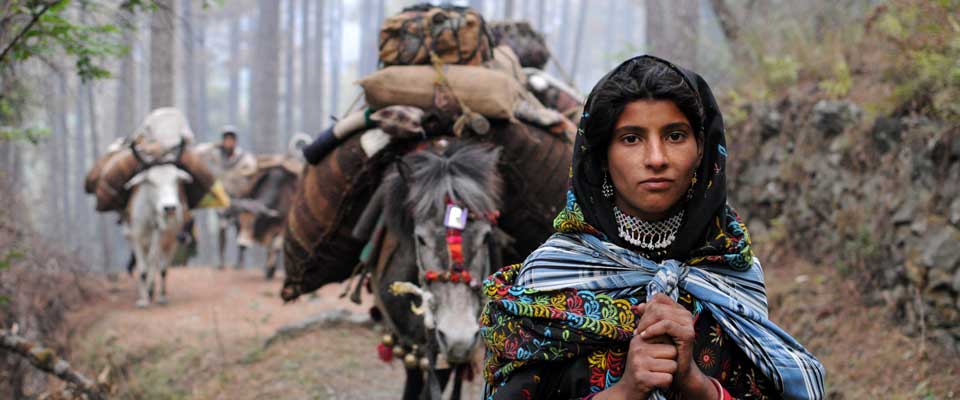
Van Gujjars are traditionally pastoral communities connected with the Himalayan foothills and forest landscapes of Uttarakhand, Himachal Pradesh and Uttar Pradesh. Buffaloes provide milk for household use and sale, while the herd supports family income, mobility and cultural identity.
Celebration practices differ between families and settlements. Some are quiet and intimate, while others involve relatives, neighbours and shared food. The common thread is gratitude, careful animal husbandry and recognition that the calf’s wellbeing is tied to the household’s future.
For Australians accustomed to buying milk in supermarkets in Melbourne, Sydney or Brisbane, it can be easy to overlook the work behind each litre. In a Van Gujjar settlement, milk may come directly from the family’s own animals, and a new calf can influence nutrition, earnings and decisions about herd management.
The first hours are devoted to care
The birth is watched closely, particularly when the mother is young or the weather is cold. Family members make sure the buffalo and calf are safe, dry and able to rest. The calf is helped towards its mother so it can drink colostrum, the first rich milk that supports early immunity.
A clean, sheltered place is prepared using the materials available around the deras, or temporary forest homes. The mother is offered water and suitable feed, while the family checks that she is recovering normally. These practical actions are an important part of the celebration because health comes before ceremony.
The family may also observe the calf’s behaviour, colour, markings and strength. Such details help guide decisions about its future role in the herd and create memories that are shared for years.
Gratitude is expressed through family customs
A newborn calf often brings relatives and neighbours together for congratulations. People may visit the family, offer blessings and share tea or food. In some households, the calf is gently touched or marked in a customary way, while the mother receives special attention and extra feed.
There is no single ceremony followed by every Van Gujjar family. Customs can vary according to community, location, faith, family preference and access to resources. What remains consistent is the sense that the birth deserves respect, because buffaloes are living partners in pastoral life rather than simple economic assets.
A name may be chosen after observing the calf’s appearance, temperament or the circumstances of its birth. Naming strengthens the relationship between the animal and the people who will care for it.
Everyday care carries cultural meaning
Celebration continues through daily work. The calf is kept close to its mother, protected from cold, rain and injury, and monitored as it begins to grow. Children may learn by watching older family members handle the buffaloes, clean the resting area and recognise signs of illness.
For families whose livelihoods depend on milk, this care has direct economic value. Strong animals support regular milk production, household consumption and sales to local buyers. This is very different from the Australian experience of purchasing refrigerated milk under highly regulated supply chains, where consumers rarely see the cow or buffalo behind the product.
Animal welfare also matters in both settings. Australian states and territories apply animal welfare legislation and livestock biosecurity rules, while Van Gujjar families rely heavily on local knowledge, mobility and community support. SOPHIA’s work helps connect these lived realities with rights-based development and access to public services.
A new calf strengthens the household economy
Buffalo husbandry links celebration with long-term planning. Families consider how much milk will be available, whether the calf should be retained for herd growth, and how grazing conditions may affect the animals. These decisions are especially important when communities move between seasonal habitats.
The value of a calf is measured in several ways:
- Future milk production and household nutrition
- Continuity of the family herd
- Income from local milk marketing
- Security during difficult economic periods
- A living connection to pastoral knowledge
Milk sales can be essential when families face rising costs or limited access to other work. Fair markets, reliable transport and recognition of pastoral rights can make a significant difference. Australian readers may think of farmers supplying major processors or farmers’ markets; Van Gujjar families often operate through smaller, more local networks.
Community support helps the celebration endure
A calf’s birth is also a reminder that pastoral wellbeing depends on secure access to forests, water, grazing areas, veterinary care and education. When families are displaced, excluded from customary routes or unable to reach markets, even a healthy new animal becomes harder to raise.
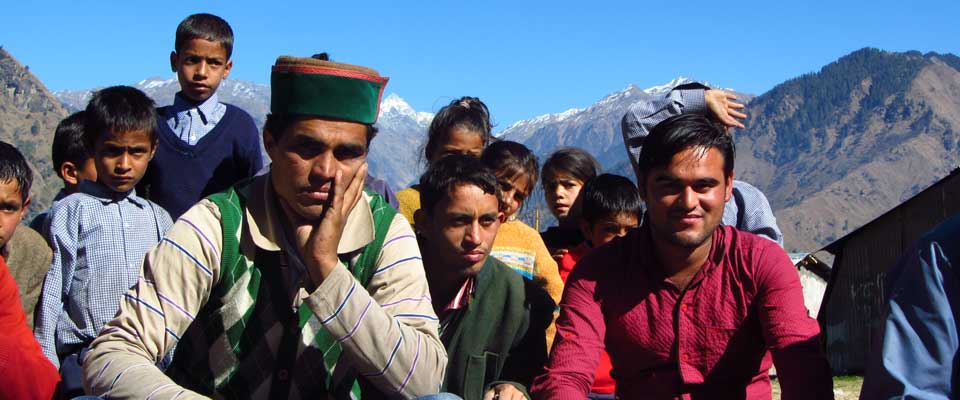
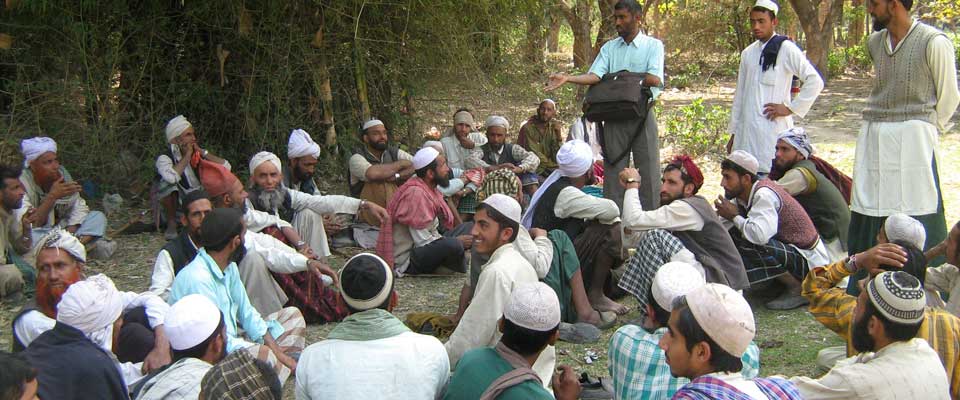
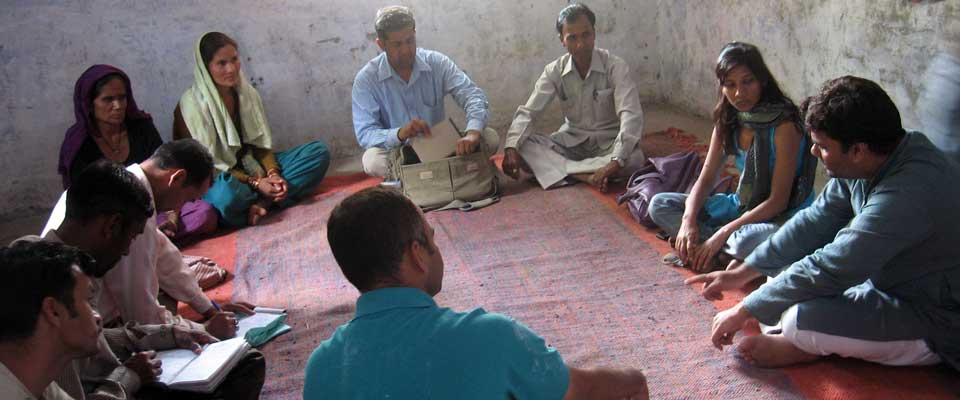
Community gatherings create opportunities to exchange knowledge about fodder, disease prevention and buffalo care. They can also reinforce social mobilisation around forest rights, domicile rights and sustainable livelihoods. These wider concerns give a family celebration a clear connection to collective empowerment.
SOPHIA works alongside Van Gujjar and Himalayan village communities through advocacy, government engagement, partnerships and practical rights-based projects. Supporting this work helps ensure that cultural traditions and pastoral livelihoods are valued as part of a living future.
Learn more about SOPHIA’s communities and projects, explore its media and photo archive, and share its work with others interested in indigenous rights, sustainable livestock keeping and community-led development. Your support can help families protect their animals, strengthen milk-based livelihoods and celebrate the next generation of buffalo calves with greater security.