




Solar fencing shields herder camps from wildlife raiders
In the lower Shivalik hills, where Van Gujjar families camp beside their buffalo each season, the loss of a crop to a wandering elephant or boar can mean weeks of hunger. Across northern India, the cost of human-wildlife conflict shows up in damaged livelihoods and children pulled out of school to guard fields. Solar-powered fencing has emerged as a practical response, one that suits the terrain, the climate, and the economics of mobile pastoral life.
For communities used to off-grid living, solar offers a fit that diesel and mains electricity cannot match. The same panels lighting a herder's tent can push a pulse through a perimeter wire, turning a fragile boundary into a reliable barrier. As renewable energy conversations mature, this small-scale use is drawing interest from partners looking for grounded examples of clean power doing hard work.
In the rangelands of New South Wales and Queensland, station owners tell a similar story about feral pigs or red kangaroos breaking through old ringlock fences overnight, and they too are turning to solar pumps and electric offsets. While the animals differ, the challenge of protecting a remote patch without burning diesel shares a common thread across continents.
The nature of the conflict
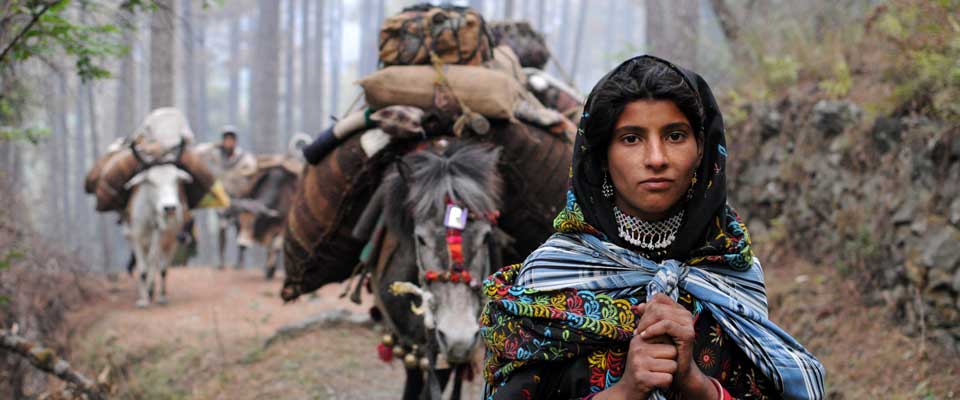
Van Gujjar families practise transhumance, moving buffalo between summer pastures in the upper Himalayas and winter sites in the riverine forests of Uttarakhand and Uttar Pradesh. Along the way, they cultivate small pockets of maize and fodder, often on the fringes of protected reserves. Wild boar, nilgai, and elephants stray from these forests looking for food.
For a herder sleeping in a draughty tent, guarding crops means nights spent clanging tins or staying awake in the open. A single bull elephant can flatten a season's harvest in an evening, and a family without grain quickly slides into debt to keep buffalo alive. The conflict shapes decisions about where to camp and whether the next generation will farm at all.
How solar fencing works
A typical solar-powered fence pairs a small photovoltaic panel with a sealed battery and a low-impedance energiser that sends short pulses through the wire. The current is enough to startle, not harm, so it acts as a behavioural deterrent rather than a dangerous trap. Animals that test the wire learn quickly and tend to avoid the area in future.
Because the camps shift every few weeks, the system must be portable. Lightweight panels and modular energisers let two people dismantle and re-erect a perimeter within a day. In remote pockets of the western Kimberley, Indigenous rangers managing feral buffalo now use similar portable kits to protect seasonal waterholes, suggesting a wider pattern of low-input power suiting rangeland communities.
Why solar suits the terrain
The Himalayan foothills and the Terai receive strong sunlight most of the year, and the seasonal drought that pushes animals into farmland comes when the sun is reliable. Diesel alternatives struggle with fuel transport up rough forest tracks, and a generator left near a wildlife corridor is both a theft risk and a fire hazard. Solar setups sidestep both problems while cutting ongoing fuel costs.
In Australia, the cattle country around Longreach or the sheep stations west of Broken Hill runs on much the same logic. Pastoralists there have moved many bores and pumps onto solar for decades, swapping out diesel motors that broke down in the dust. Spare parts are widely available, and the cost has fallen to where payback is measured in months.
The role of community ownership
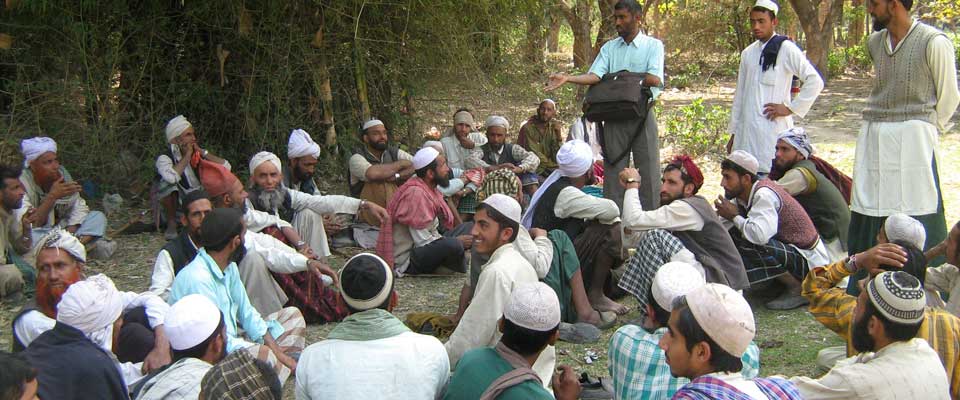
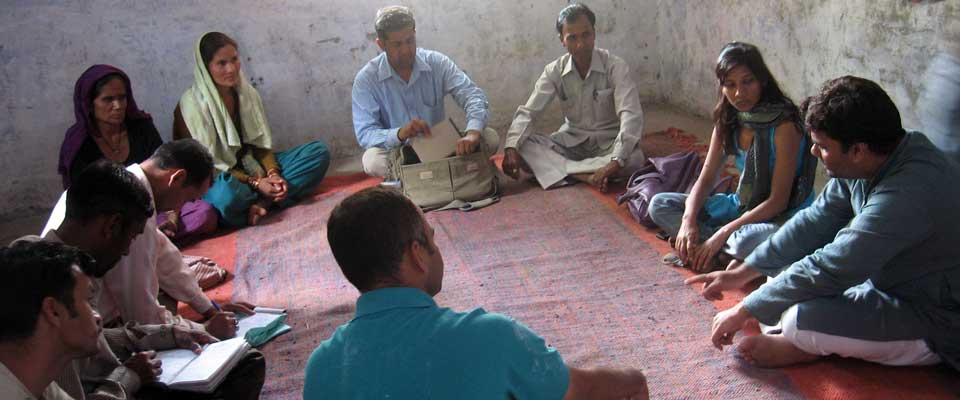
A fence only protects a community when the community trusts and manages it. SOPHIA's approach is to train local herders in installing, testing, and repairing the system rather than delivering it as a finished product. Skills transfer matters because camps are remote, mechanics are scarce, and a fence that fails silently is the same as no fence at all.
This model echoes the cooperative repair schemes run by Landcare groups in Tasmania, where farmers share skills rather than depend on outside contractors. The principle is plain: people own what they know how to fix, and the more confident they feel with the gear, the more they adapt it to their own ground.
Limits and honest trade-offs
Solar fencing is not a silver bullet. Heavy monsoon rain, fallen branches, and tall grass touching the wire can drain the battery or short the current. Wildlife that is desperate enough, particularly elephants in musk, may still push through. The system also needs upfront capital that is small by development standards but still significant for a household earning in cash and kind.
A layered approach works best: the fence handles casual raiding, watchtowers and trip alarms handle the rest, and community forest patrols fill the gaps during peak conflict seasons. The fence buys time for herders to sleep through the night and reinvest labour in animal husbandry.
What this means for partnerships ahead
For groups in Australia interested in energy access and Indigenous land management, the work in Uttarakhand offers a working model of mobile renewable infrastructure in the hands of a traditional pastoral community. Conversations between Australian and Indian pastoral networks have been growing, often informally through field trips. There is room here for a partnership that draws on shared lessons from north Queensland, the pastoral edges of the Northern Territory, and the Himalayan foothills.
If you would like to support SOPHIA's work with Van Gujjar and Himalayan village communities, you can visit the website to read more, sign up for updates, or contribute to ongoing fencing and livelihood projects. Volunteers, researchers, and partner organisations are always welcome.