





How Digital Payments Are Reaching Remote Pastoral Markets
For pastoralist families, a payment is more than a transaction. It can determine whether milk reaches a buyer on time, whether animal feed is purchased, or whether a household can access essential goods without travelling for hours. Digital payment systems are beginning to connect these markets with wider economies, even where roads, mobile coverage and banking services remain limited.
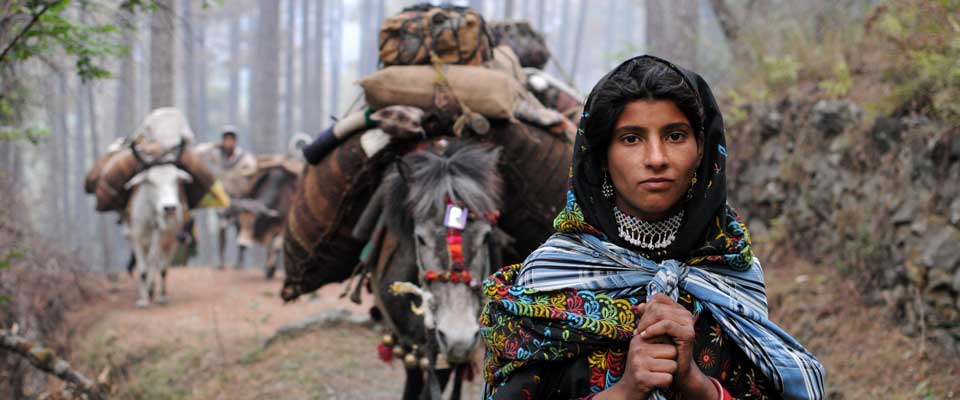
In the Himalayan foothills and forest-edge settlements of Uttarakhand, Himachal Pradesh and Uttar Pradesh, Van Gujjar and village communities often operate across dispersed grazing areas. Their livelihoods depend on buffalo husbandry, seasonal movement, dairy sales and access to fair markets. Mobile phones and low-cost payment tools can shorten the distance between producers, traders, cooperatives and public services.
For an Australian audience, the comparison is familiar in some ways. A cattle producer near Alice Springs, a station family in the Kimberley or a remote Aboriginal community in Far North Queensland may also deal with long travel distances, patchy internet and limited banking access. The technologies differ in reach, yet the central issue is the same: digital finance must fit local life rather than expect communities to fit a standard banking model.
Why pastoral markets need flexible payment tools
Pastoral economies rarely follow the neat timetable of urban commerce. Milk may be sold daily, livestock payments may arrive seasonally, and families may need to divide income between feed, transport, schooling and healthcare. Cash can be difficult to protect and expensive to move, while formal bank branches may be many kilometres away.
Digital wallets, mobile banking, QR payments and direct account transfers can make small transactions faster and easier to record. A dairy buyer may pay a producer directly, creating a traceable history that supports future credit or government assistance. For communities traditionally excluded from financial institutions, that record can strengthen economic confidence and bargaining power.
The design still matters. Shared phones, low literacy, changing phone numbers and inconsistent connectivity can make an app-based system impractical. Voice guidance, local-language support, assisted transactions and paper records used alongside digital receipts can offer a more reliable pathway.
Connectivity is the first condition
A digital payment is only useful when a person can access a working network, a charged device and a secure account. Remote Himalayan settlements may experience weak signals, difficult terrain and power interruptions. Similar problems arise in Australia’s outback, where mobile coverage can disappear between communities and a station may rely on satellite broadband or a solar power system.
Australia’s EFTPOS culture shows how quickly digital payments become routine when infrastructure is dependable. Yet bank branch closures, cash shortages and limited connectivity in places such as the Kimberley demonstrate that even a wealthy country cannot assume seamless service everywhere. Remote communities need offline-capable systems, accessible support and clear arrangements for failed transactions.
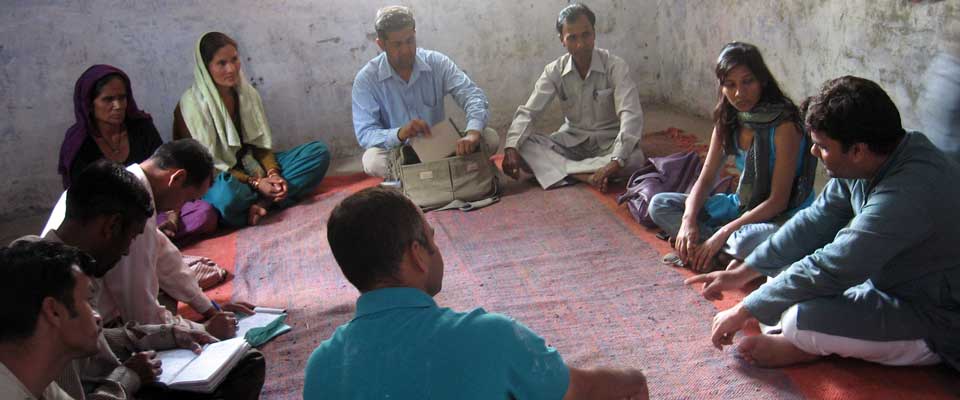
Practical delivery may involve local payment agents, village-level digital kiosks or trusted cooperative members. These arrangements reduce the need for every producer to travel to a town centre and can help explain PINs, fraud alerts, transaction fees and account recovery in familiar settings.
Building trust around mobile money
Trust is central to adoption. Pastoralist families may reasonably worry about hidden charges, mistaken transfers, identity documents or losing money through fraud. A system promoted by a bank or technology company will be more credible when community organisations, producer groups and local leaders are involved from the beginning.
SOPHIA’s rights-based work provides an important example of why financial inclusion should sit alongside social mobilisation and advocacy. Digital payments should support forest rights, domicile rights, sustainable pastoral livelihoods and fair milk marketing, rather than becoming a separate technology project with little connection to community priorities.
Useful safeguards include:
- Receipts sent by SMS or printed by a local agent
- Clear information about fees, refunds and failed transfers
- Training for women, older people and first-time users
- A trusted process for reporting fraud or coercion
Connecting milk producers with better markets
Milk marketing is a practical entry point for digital finance. When collection centres, cooperatives or buyers pay electronically, producers can see the amount received and compare it with agreed rates. This can reduce disputes and help families plan purchases between market days.
For buffalo-keeping communities, digital records may also support veterinary services, feed supply, insurance and transport coordination. A payment trail can show regular production without forcing a family to maintain complicated paperwork. Over time, reliable records may improve access to responsible lending, provided lenders do not use them to impose unsuitable debt.
The Australian dairy and livestock sectors demonstrate the value of coordinated supply chains, electronic records and direct settlement. However, a remote pastoral market may need smaller transaction sizes, flexible collection schedules and systems that work with intermittent connectivity. Local conditions should shape the model.
Protecting people from digital exclusion
Digital finance can widen inequality when accounts require formal addresses, smartphones, English-language literacy or constant internet access. Van Gujjar families whose movements follow seasonal grazing patterns may face particular difficulty proving residence or receiving documents tied to a fixed location.
The same concern appears in Australia, where a person moving between remote communities, staying on Country or living far from a service hub may struggle with identity checks and address requirements. Terms such as “no worries” cannot replace practical support when a payment is blocked or a phone is lost.
A community-centred programme should retain non-digital options during the transition. It should also monitor who is being left out, including women without independent phones, older pastoralists and families with limited official documentation.
Making digital payments serve community rights
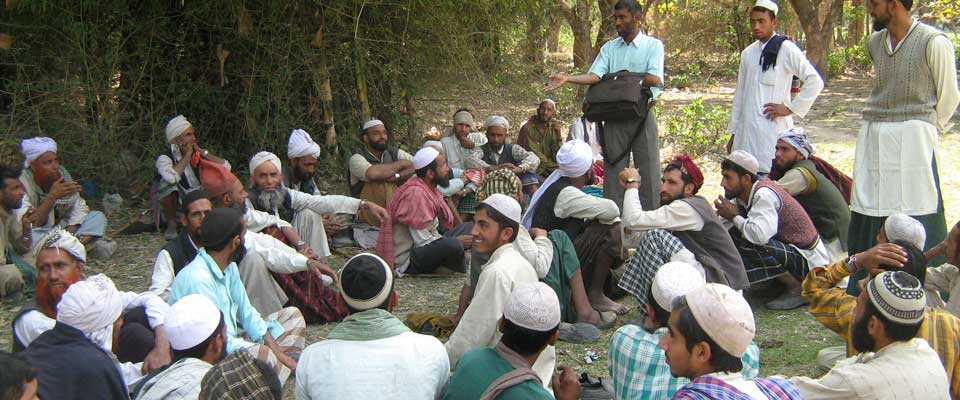
Technology works best when communities help govern it. Local committees can review fees, protect transaction data, identify unsafe practices and negotiate with banks, telecom providers and milk buyers. Partnerships with NGOs, government departments and producer organisations can extend this work without removing community decision-making.
For SOPHIA, digital payment access could complement advocacy for indigenous rights and sustainable livelihoods. Better payment records may strengthen negotiations with buyers, while community training can help families understand both opportunities and risks. The goal is not simply a cashless market; it is a fairer market in which pastoral producers retain visibility and control.
Key foundations for a responsible system include:
- Affordable access to phones, data and charging facilities
- Payment methods that function during weak connectivity
- Local-language training and trusted assistance
- Strong privacy, consent and fraud-prevention measures
- Continued access to cash and human support
Digital payments are reaching remote pastoral markets because communities, cooperatives and service providers are adapting tools to real conditions. In the Himalayas, this means recognising seasonal mobility, buffalo husbandry and collective rights. In Australia, it means understanding the realities of the bush, remote service gaps and the importance of connection to Country.
Support organisations such as SOPHIA by sharing community-led work, building partnerships and backing initiatives that combine financial access with rights, dignity and sustainable livelihoods.