




A Van Gujjar Grandmother’s Knowledge of Infant Herbal Remedies
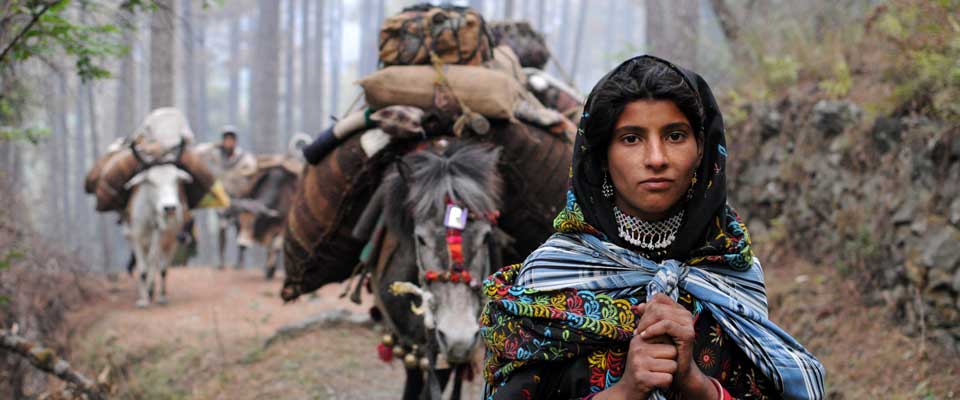
In the Himalayan foothills, a grandmother’s understanding of infant care may be shaped by seasons, migration routes, family experience, and close observation of the natural world. Among Van Gujjar communities, this knowledge is often shared through everyday relationships rather than written manuals.
Herbal remedies for babies are part of a wider system of care that includes breastfeeding, warmth, rest, clean surroundings, and careful attention to a child’s behaviour. A grandmother may recognise subtle changes in feeding, sleep, breathing, or skin before anyone else notices them.
This knowledge deserves respect, though respect does not mean assuming every traditional treatment is safe for every infant. Babies can react quickly to concentrated plants, contaminated water, essential oils, or remedies prepared in unsuitable ways. Cultural knowledge and qualified medical care should work alongside each other.
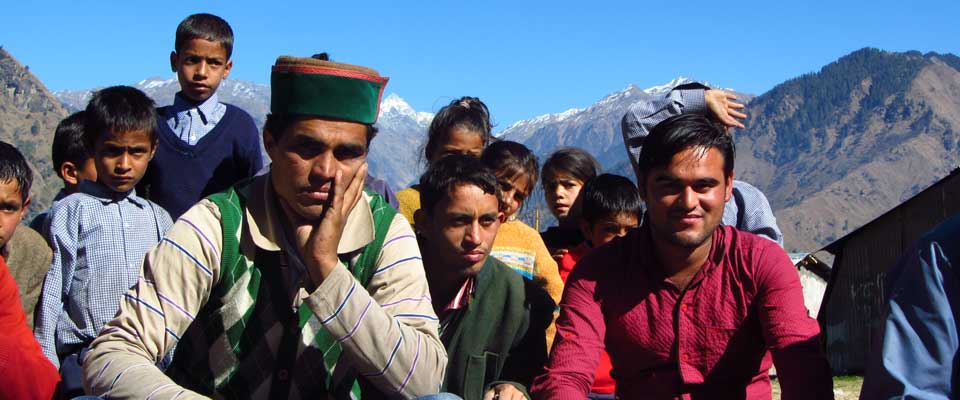
For Australian readers, the story offers a way to understand indigenous health traditions without turning them into a catalogue of products. It also highlights why SOPHIA’s work with Van Gujjar and Himalayan village communities connects rights, livelihoods, land, family wellbeing, and community-led decision-making.
Knowledge Carried Through Family Life
A Van Gujjar grandmother may learn about household plants from her mother, older sisters, and other women who care for children. The knowledge is practical and responsive: which leaves are available after rain, how long a plant has been stored, and which treatments are reserved for adults rather than infants.
This learning is also connected to pastoral life. Families moving with buffalo may have limited access to clinics, pharmacies, or transport. A grandmother’s experience can help a family decide whether a minor concern can be watched at home or whether the child needs urgent attention.
Reading An Infant’s Small Signals
Traditional infant care often begins with observation. Changes in a baby’s cry, skin colour, body temperature, urine, stools, or willingness to breastfeed can provide important information. An experienced caregiver may also notice whether a child is unusually floppy, restless, sleepy, or difficult to settle.
These observations should complement, rather than replace, professional assessment. Fever in a young baby, breathing difficulty, persistent vomiting, dehydration, seizures, a rash with illness, or refusal to feed requires prompt medical care. In Australia, families can contact a GP, child and family health nurse, healthdirect, or emergency services according to the seriousness of the symptoms.
Plants, Preparation, And Restraint
A grandmother may know that a remedy’s strength depends on the plant part used, its age, the preparation method, and the amount given. Yet infants are especially sensitive, and a preparation suitable for an adult may be dangerous for a newborn. Herbal teas, oils, powders, and homemade drops can introduce infection or interfere with prescribed treatment.
Families interested in natural health products should seek advice from an Australian pharmacist, doctor, or qualified health professional before giving anything to a baby. Readers comparing how plant-based products are described in different settings can consult an herbal care reference while remembering that online information cannot assess an individual child.
Useful safeguards include:
- Avoiding essential oils, alcohol-based preparations, and unverified mixtures for infants
- Never giving honey to a child under twelve months because of botulism risk
- Using clean water and utensils when preparing any approved infant feed
- Checking every product with a pharmacist or paediatric clinician
- Recording the plant name, amount, preparation, and timing if a professional needs to assess exposure
Traditional knowledge remains valuable when it is carried with care, consent, and an understanding of its limits. The safest approach is to preserve the story and observation while avoiding casual experimentation.
Respecting Community Authority
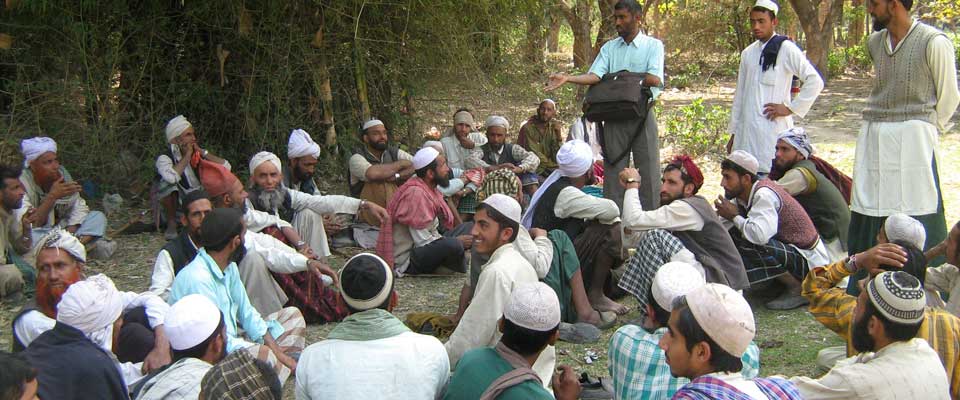
Van Gujjar knowledge should not be extracted from families and repackaged as a commercial remedy. Plants may have cultural meaning, and the people who hold this knowledge should decide what can be shared, with whom, and for what purpose.
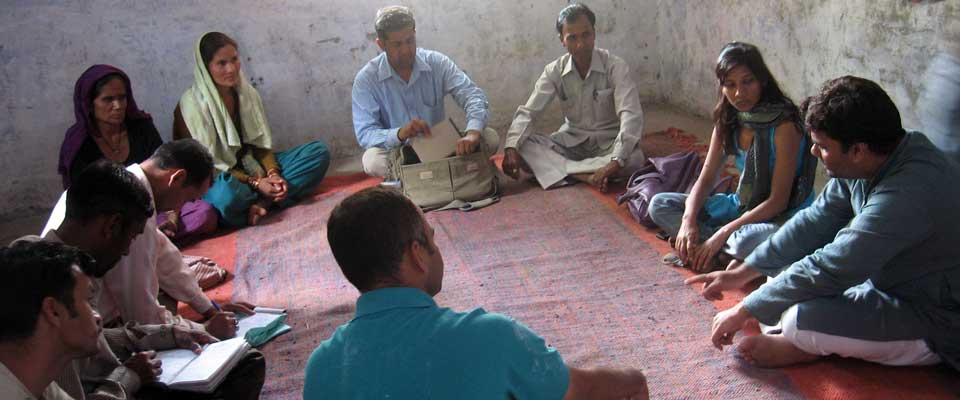
SOPHIA’s rights-based approach is important in this context. Supporting indigenous rights, forest rights, domicile rights, and community advocacy helps families retain authority over their lives and local resources. Health conversations are stronger when they recognise the community as a partner rather than treating it as a source of marketable ingredients.
What Australian Families Can Learn
Australian parents may encounter traditional remedies through relatives, community groups, wellness stores, or social media. A family in Melbourne or Sydney might also compare advice from a GP with products sold at a weekend farmers’ market. Such settings make it important to distinguish cultural practice, regulated medicine, food, and untested marketing.
Respectful learning also means recognising local customs. A Welcome to Country or Acknowledgement of Country is not a substitute for indigenous leadership, just as borrowing a plant remedy without permission does not honour the community that developed it. Australia’s Therapeutic Goods Administration and local pharmacists can help families assess claims about products available in the local market.
For Australian readers, responsible engagement means:
- Listening to indigenous communities without assuming all traditions are interchangeable
- Treating infant symptoms seriously, especially during heatwaves or bushfire smoke events
- Checking labels and ingredients before buying products at markets or online
- Asking health professionals how traditional practices can safely fit into family care
- Supporting organisations that return decision-making and benefits to communities
These principles apply whether a family lives near Brisbane, travels through regional New South Wales, or cares for a baby in a remote community. Safety, consent, and respect remain central.
Keeping Living Knowledge Alive
A grandmother’s advice is more than a remedy. It may preserve language, family history, ecological awareness, and confidence during difficult journeys. When younger people listen, they inherit a relationship with land and community, not simply a list of plants.
That inheritance can be strengthened through oral histories, community-controlled projects, women’s groups, pastoral networks, and partnerships with trusted organisations. Documentation should follow community permission and protect sensitive information. It should also acknowledge that knowledge changes as families encounter new medicines, changing environments, and improved access to clinical care.
Support SOPHIA by learning about its work with Van Gujjar and Himalayan village communities, sharing its rights-based projects, and contributing to partnerships that strengthen sustainable livelihoods and community voice. Building respectful connections helps ensure that cultural knowledge remains safe, living, and guided by the people who carry it.