


A Van Gujjar Healer And His Plant-Based Buffalo Care
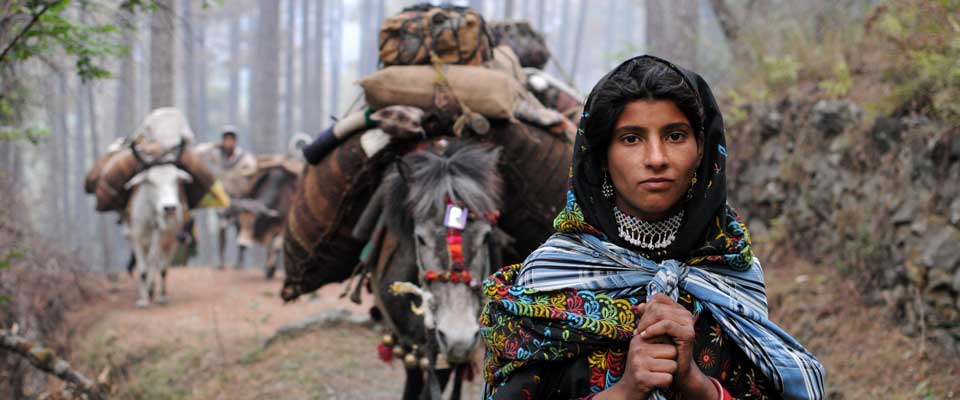
In the Himalayan foothills, a buffalo is far more than livestock. For Van Gujjar families, buffalo provide milk, income, transport, and a dependable connection to pastoral life. When an animal suffers a cut, hoof injury, or infected wound, treatment can determine whether a household keeps earning through a difficult season.
Among these communities, practical knowledge is often passed through families and refined through years spent moving between forest grazing grounds and village settlements. One Van Gujjar healer has built a reputation for treating buffalo wounds with medicinal plants, careful observation, and methods shaped by the local landscape.
His work sits at the meeting point of traditional veterinary knowledge, animal husbandry, and community resilience. It also reflects SOPHIA’s wider commitment to indigenous rights, sustainable pastoral livelihoods, buffalo care, and stronger access to public services across Uttarakhand, Himachal Pradesh, and Uttar Pradesh.
For Australian readers, the story may recall the knowledge held by stock workers, station families, and Aboriginal communities about country and animal care. The setting is different, yet the principle is familiar: healthy animals support a family’s independence, particularly when a professional vet may be many hours away.
Knowledge Gathered From Forest And Pasture
The healer knows plants by their appearance, scent, season, and place of growth. Some are collected near forest edges, while others are found along grazing routes or beside streams. Leaves, bark, roots, and crushed stems may be cleaned, pounded, or mixed into a paste before being placed around a wound.
His treatment begins with inspection rather than haste. He checks the depth of the injury, swelling, heat, discharge, and the animal’s appetite. A buffalo that continues chewing cud and walking steadily may need a different response from one that is feverish, withdrawn, or unable to bear weight.
This close attention resembles the way an experienced Australian cattle producer reads an animal before calling the rural vet. In both cases, observation helps identify when a minor injury can be monitored and when urgent clinical care is needed.
Treating Wounds With Care
Plant remedies may help keep a wound clean, reduce irritation, and support healing, but the healer does not regard every injury as suitable for home treatment. Deep punctures, serious bleeding, suspected fractures, maggot infestation, or signs of systemic infection require trained veterinary attention.
Clean water, restraint, shade, and regular checking are equally important. The healer teaches families to keep flies away, avoid dirty cloths, and observe whether swelling is spreading. Such practical guidance can be as valuable as the remedy itself, especially for households travelling with their herds.
The wider lesson is that animal treatment depends on reliable support systems. Approaches to medical emergencies and chronic illness also show why clear procedures, early assessment, and referral pathways matter when informal care reaches its limits.
A Livelihood Connected To Buffalo Health
For Van Gujjar households, a wounded buffalo can affect milk sales, household nutrition, and the ability to move with the herd. If an animal cannot graze or produce milk, the financial impact may continue long after the visible injury has closed.
This connection is easy to understand in Australia, where a sick dairy cow or injured beast can affect a family farm’s cash flow. Yet Himalayan pastoralists often face steeper barriers: steep terrain, seasonal migration, limited transport, and fewer nearby veterinary facilities. A trip to obtain medicines may involve losing a day’s work or paying for transport that the family cannot spare.
In places such as regional Queensland or northern New South Wales, producers may rely on a local ag supplier, a mobile vet, or advice over the phone. Van Gujjar families may instead rely first on community knowledge, then seek government or NGO assistance when services become reachable.
Protecting Knowledge And Natural Resources
The healer’s expertise is part of a living knowledge system, not a catalogue of remedies to be removed from its cultural setting. Plants must be harvested without exhausting them, and their use must be understood alongside hygiene, animal behaviour, seasonal movement, and local ecology.
SOPHIA’s rights-based work helps place this knowledge within a broader conversation about forest access, domicile rights, and recognition for indigenous communities. Supporting pastoral livelihoods means respecting both the people who hold the knowledge and the landscapes that sustain it.
This matters in Australia’s own conversations about caring for Country, biosecurity, and sustainable land management. A remedy or plant product cannot simply be commercialised because it sounds natural; consent, safety, ecological protection, and fair benefit-sharing must come first.
Supporting Community-Led Animal Care
Community-led care is strongest when traditional expertise is connected with veterinary science, public programmes, and practical training. Families benefit when they can identify danger signs, access affordable medicines, and speak with livestock officers without losing control over their own knowledge.
For supporters in Australia, where shoppers are increasingly attentive to ethical sourcing and local producers often talk about paddock-to-plate values, the story offers a grounded way to understand rural resilience. Donations and partnerships can help bridge the distance between remote communities and dependable animal-health services.
Useful forms of support include:
- Fund mobile veterinary camps and basic wound-care supplies.
- Support training that combines Van Gujjar knowledge with safe clinical referral.
- Help document plant knowledge with informed community consent.
- Strengthen milk marketing so families receive fairer returns.
- Back advocacy for forest, grazing, and domicile rights.
- Share SOPHIA’s community stories through schools, farm networks, and ethical organisations.
A healer caring for buffalo wounds demonstrates how cultural knowledge can protect both animals and livelihoods. Support SOPHIA’s rights-based programmes, learn from its community partnerships, and help ensure that Van Gujjar families can sustain their herds, knowledge, and future on their own terms.