



A Day in the Life of a Van Gujjar Woman During the Monsoon Migration
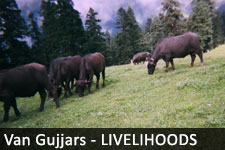
Before daylight reaches the forested foothills of Uttarakhand, a Van Gujjar woman is already awake. The monsoon has softened the paths, swollen streams and turned every movement of the household into a careful calculation. Her day begins with the buffaloes, the family’s principal source of food, income and security.
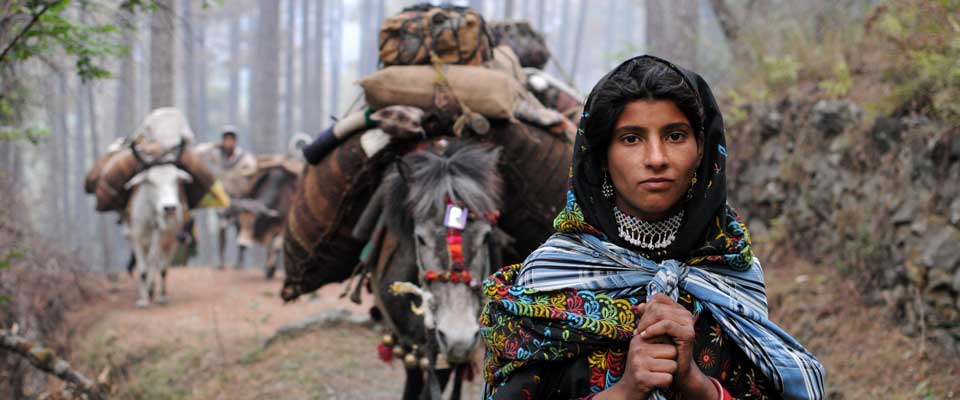
Seasonal migration means carrying a home through changing landscapes. As families move between forest settlements and higher grazing grounds, women organise cooking, milking, children’s care, packing and animal welfare. Their knowledge of rain, pasture, routes and forest conditions is learned through experience and shared across generations.
For readers in Australia, this life may recall the movement of cattle across pastoral country, yet the setting is very different. A woman checking a monsoon route is responding to forests, steep Himalayan terrain and changing access rights rather than the open stations familiar around Queensland or the Northern Territory.
Before Sunrise In The Forest Settlement
The first tasks are practical and precise. Water is collected, the cooking fire is prepared and buffaloes are milked before the herd begins to move. Milk may be set aside for the family, carried to a collection point or sold through local channels, helping pay for salt, grain, medicines and school needs.
Breakfast is usually simple because utensils and ingredients must soon be packed. Children are dressed, bedding is folded and household items are secured on animals or loaded onto a small vehicle where the route allows. Nothing can be left loose when a family is travelling through rain.
In Melbourne or Sydney, a wet morning may begin with a glance at the Bureau of Meteorology rain radar before a commute. For a Van Gujjar household, the weather determines whether a stream can be crossed, whether fodder will be available and whether the day’s journey must be shortened.
Packing A Household For The Trail
Migration requires women to decide what is essential and what must remain behind. Their work makes the household mobile while protecting its ability to cook, sleep, milk animals and care for children at the next stopping place.
Common priorities include:
- Cooking pots, grain, tea, salt and firewood
- Bedding, clothing and waterproof coverings
- Milking vessels and basic animal-care supplies
- Medicines, identity documents and school materials
- Rope, tools and containers for water
The packing process is also a form of risk management. Rain can soak clothing, spoil stored food and damage documents. A safe resting place must be found before darkness, while buffaloes need enough time to graze and settle.
The Herd Sets The Pace
Buffaloes shape the rhythm of the journey. Their welfare influences when the family leaves, where it rests and how far it travels. Women recognise signs of exhaustion, injury, illness or reduced milk production, often using observation and local remedies before seeking veterinary help.
During the monsoon, slippery slopes and swollen waterways make herding especially demanding. Calves may need extra attention, and productive animals cannot simply be pushed forward at the speed of a person carrying a load. The family moves as a group, with children and elders adjusting their pace to the herd.
Milk marketing connects this daily labour to the wider economy. When roads, transport or buyers are unreliable, the value of fresh milk can fall quickly. SOPHIA’s work with Van Gujjar communities includes support for sustainable livelihoods, buffalo husbandry and stronger access to fairer milk markets.
Rain Changes Every Decision
A monsoon shower can arrive suddenly, turning a familiar trail into mud. Women look for higher ground, protect fuel from dampness and judge whether a temporary shelter will withstand wind and rain. The forest provides pasture and materials, but it also contains hazards such as falling branches, leeches and fast-moving water.
The journey is guided by intimate environmental knowledge. Families understand where grass returns after rain, which clearings are suitable for camping and which routes become unsafe. This knowledge is vital to pastoral life, yet access to forests and grazing areas can be affected by regulations, conservation policies and competing claims.
Care Work Continues On The Move
Migration does not pause domestic responsibilities. A woman may wash children’s clothes, prepare meals, clean milk containers and help an older relative while monitoring the buffaloes. If a child becomes feverish or an animal is injured, she must respond with limited supplies and considerable distance from formal services.
Her work also carries cultural knowledge. Songs, stories, food practices, animal-care methods and knowledge of medicinal plants travel with the family. These skills strengthen community resilience, even though they are often overlooked when rural labour is measured only through income.
At Australian farmers markets in cities such as Brisbane or Adelaide, shoppers may focus on labels describing local production, animal welfare or traceability. For a Van Gujjar woman, every litre of milk is linked to a demanding chain of care that begins on a wet forest path.
Rights Shape The Route
A migration route is never only a geographical line. Forest access, domicile rights, identity documents, education, healthcare and recognition of community claims all affect whether families can live securely. Women experience these issues directly when they seek services, protect household documents or speak with officials.
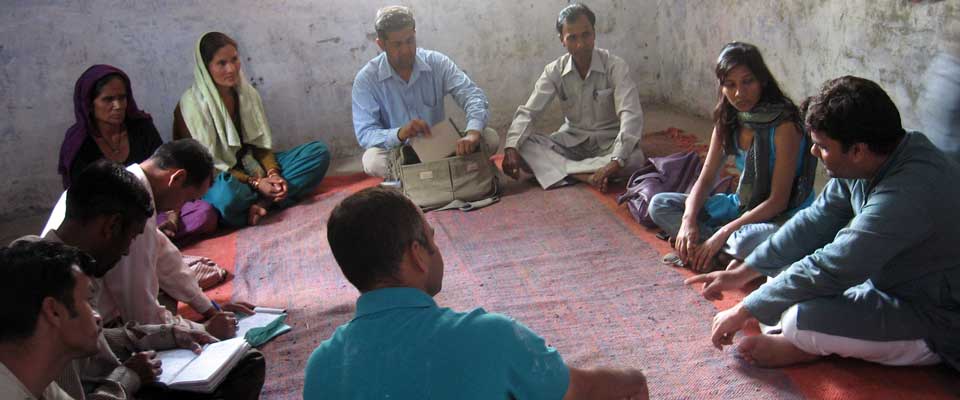
SOPHIA supports rights-based projects, social mobilisation, advocacy and engagement with government agencies. Such work helps communities understand legal processes and strengthen their voice in decisions affecting forests, pastoral livelihoods and settlement.
Australia offers a different legal context. The Native Title Act 1993 recognises certain traditional rights and interests, while state and territory rules govern land access, stock movement and biosecurity. These frameworks cannot be applied directly to Van Gujjar life, but they show why pastoral communities need laws that recognise customary use and practical mobility.
A Story Of Strength And Change
The Van Gujjar woman’s day combines physical labour, economic responsibility and environmental knowledge. Monsoon migration may follow an old seasonal pattern, yet families also adapt to changing forests, roads, markets, schooling demands and government programmes.
Her contribution deserves visibility in discussions about indigenous rights and sustainable development. Supporting women’s leadership can improve household wellbeing, strengthen milk enterprises and ensure that community priorities are represented in negotiations about land and services.
Learn more about SOPHIA’s work with Van Gujjar and Himalayan village communities, explore its projects and media archive, and support partnerships that place community knowledge and rights at the centre of sustainable pastoral livelihoods.