





Quiet Authority: How Van Gujjar Women Shape Household Decisions
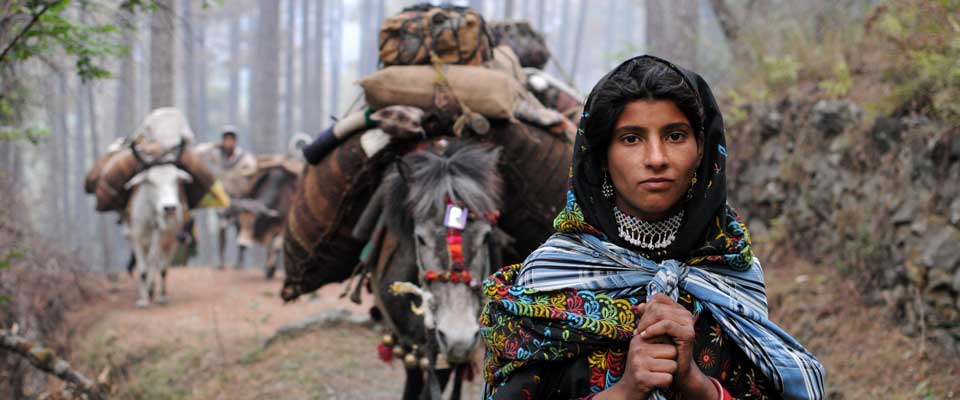
In the sal forests and high meadows of Uttarakhand, the Van Gujjar community has practised transhumance for generations, walking buffalo herds between summer and winter pastures. SOPHIA, an Indian non-governmental organisation, has worked alongside these pastoralists for years on rights, livelihoods, and cultural survival. A recent study examines how decisions are actually made inside Van Gujjar homes.
Researchers spent months living with families, listening to conversations around kitchen fires and animal enclosures. They asked who decides when to sell a buffalo, who chooses when a child will marry, and who determines how household money is spent. The findings complicate the stereotype of male-dominated pastoral society, showing instead a layered distribution of power.
The picture is one of nuanced daily negotiation. Women often control dairy processing, milk sales, and food preparation, while men typically dominate decisions about land, migration, and outside institutions. Recognising both spheres is essential for meaningful development work.
The relevance extends beyond the Himalayan foothills. Pastoral communities worldwide share parallels with the Van Gujjar, and the study speaks to anyone interested in gender justice and rural development. For Australians, themes of women navigating traditional structures in remote landscapes will feel familiar.
Roots in the Forest: Setting the Research Stage
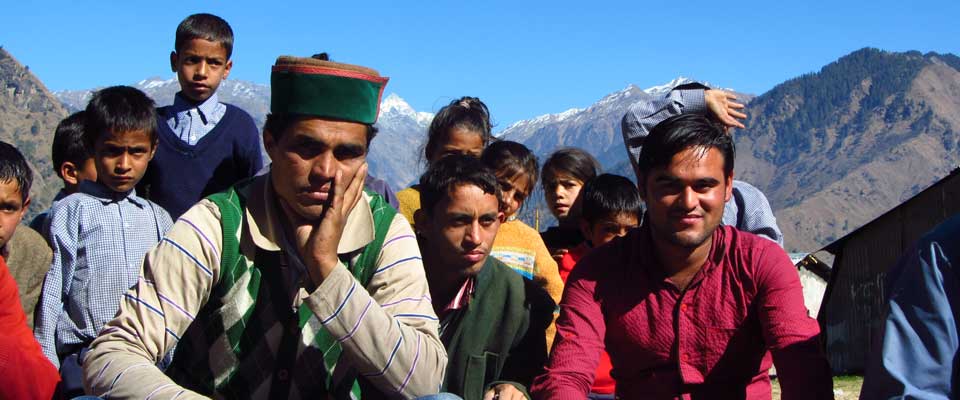
The Van Gujjar are a predominantly Muslim, buffalo-herding community spread across the Shivalik foothills and lower Himalayan ranges. Their lives revolve around seasonal migration, with families walking hundreds of kilometres each year with their herds. SOPHIA works in villages across Uttarakhand, Himachal Pradesh, and parts of Uttar Pradesh, supporting community organisations, documentation drives for forest and domicile rights, and small dairy cooperatives.
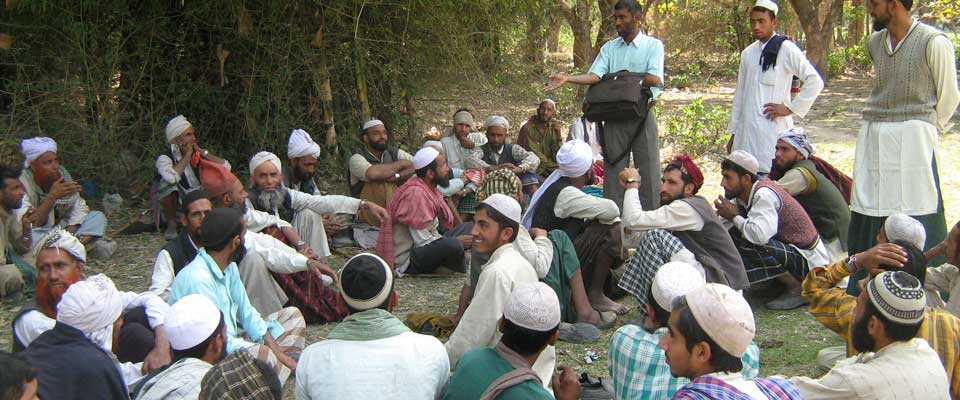
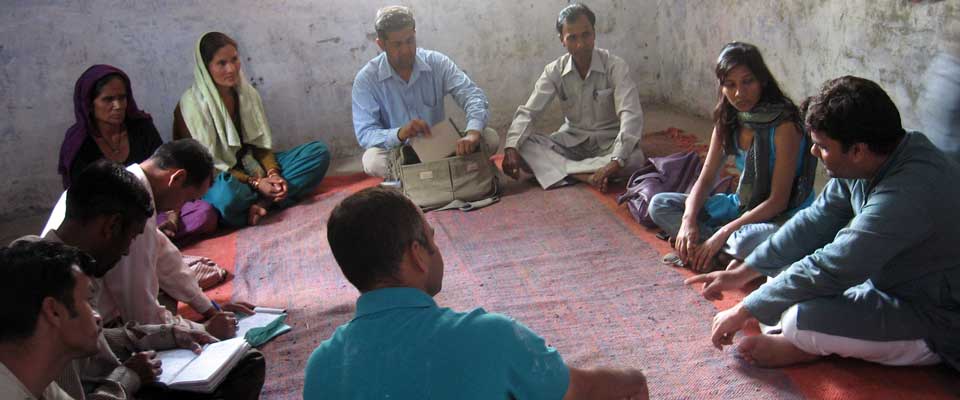
The study focused on households in three districts, capturing both winter and summer sites. Researchers used household surveys, semi-structured interviews, and separate women's group discussions, allowing quieter voices to surface without male relatives present. Local SOPHIA staff, many drawn from Himalayan village communities, helped interpret cultural context.
Where Herds and Households Meet
Buffalo husbandry sits at the heart of Van Gujjar identity, and women are deeply involved at almost every stage. They milk the animals twice daily, often before dawn, and carry the milk to nearby collection points. A portion is processed into ghee, paneer, and curd for household use and local sale.
Milk marketing has grown as an income source, and SOPHIA has helped communities negotiate fairer prices and form collectives. Within this sphere, women frequently decide how much to sell, how much to retain, and how to allocate the cash. The dairy work gives many women tangible authority that shapes household decisions well beyond the milking shed.
The Many Layers of Choice
Decision-making in Van Gujjar homes unfolds across many small moments, from choosing fodder to deciding on a daughter's schooling. The study mapped these layers carefully, identifying domains where women report the greatest influence and those where male relatives still hold sway.
Areas where women most often lead:
- Daily cooking, food storage, and meal preparation for the family
- Milking routine, ghee making, and allocation of milk for sale versus home use
- Small household purchases such as groceries, clothing for children, and kitchen utensils
- Health decisions for young children, including when to visit a government health worker
Barriers That Still Bind
Women's visible contributions coexist with persistent constraints. Inheritance practices, customary marriage rules, and limited mobility outside forest settlements shape how freely a woman can exercise her voice. Access to government documents and bank accounts often depends on a male relative's presence.
Identified obstacles to fuller participation:
- Low literacy rates among older women, restricting engagement with paperwork and formal meetings
- Patriarchal norms around mobility that discourage women from travelling alone to town markets
- Limited recognition of women as independent farmers in dairy cooperative membership rules
- Underreporting of domestic disputes due to social stigma and lack of local support services
Echoes in the Australian Bush
The findings resonate with research on rural women elsewhere, including Australia. Across the outback and in remote regions of the Northern Territory, Aboriginal and Torres Strait Islander women have long led cultural and economic decision-making in their communities, even as formal power structures remained skewed. Community-controlled organisations, growing in number from Cairns to Perth, reflect similar efforts to ensure women shape their own development agenda.
Australian dairy regions such as Gippsland in Victoria and northwest Tasmania share parallels with the Van Gujjar world. On many family-run farms, women manage calf rearing, bookwork, and milk quality testing, while male partners handle contracts with processors supplying the big retailers. The Australian dairy market, shaped by the supermarket duopoly of Coles and Woolworths, has its own pressures on small producers, echoing pricing challenges Van Gujjar women face when selling to local traders.
The idea of "a fair go" carries weight in both contexts. Australian conversations about recognising Indigenous women's leadership, from the Uluru Statement from the Heart to local reconciliation action plans, mirror SOPHIA's rights-based approach. Pastoral life in both nations is shaped by land, animal, and seasonal rhythms, and gender dynamics within it deserve equally careful attention.
A Shared Path Forward
Change will not arrive through a single intervention. The study recommends legal literacy programmes, women's self-help groups, and continued investment in dairy cooperatives where women already hold influence. It also urges government schemes in forestry, animal husbandry, and rural development to recognise women as primary applicants rather than dependents.
For Australian readers interested in supporting SOPHIA's work, the organisation's website offers details of current projects, volunteer opportunities, and donation pathways. Partnerships between NGOs working with pastoral communities in South Asia and Australia could deepen shared learning, particularly around women's economic empowerment and indigenous rights advocacy.