



Van Gujjar children and education across a nomadic life
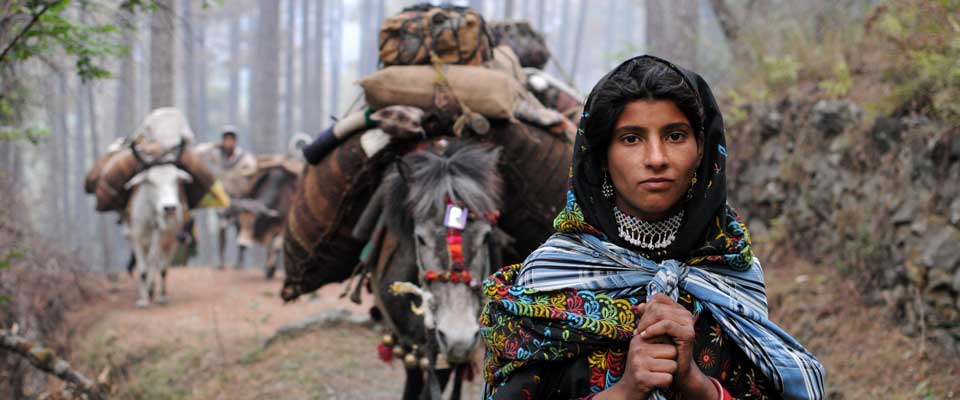
For Van Gujjar families, education must fit a way of life shaped by buffalo husbandry, seasonal movement, forest access, and pastoral work. Children may travel with their families between foothill forests and village areas, making regular attendance at a single school difficult. Distance, changing settlements, documentation barriers, and household responsibilities can all affect learning continuity.
Van Gujjar children’s education is therefore not simply a matter of placing children in formal classrooms. It requires a bridge between government schooling and the community’s social, cultural, and livelihood realities. Flexible learning arrangements, supportive teachers, community participation, and public services can help children continue their studies without forcing families to abandon their identity or work.
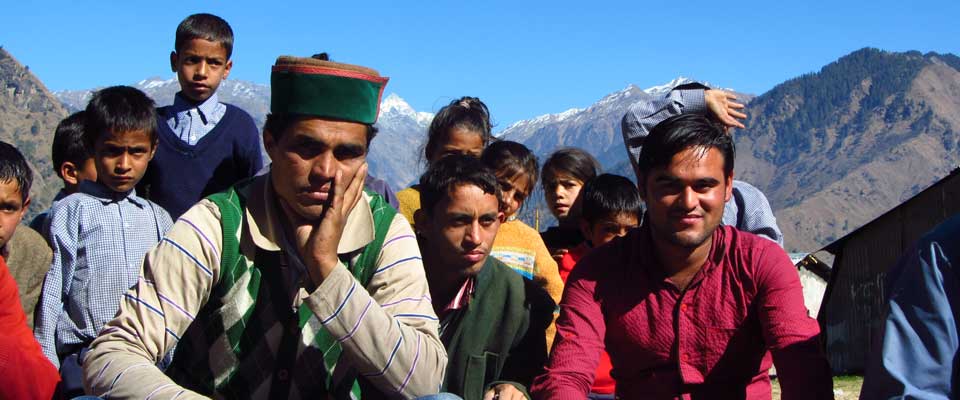
SOPHIA works with Van Gujjar and Himalayan village communities in Uttarakhand, Himachal Pradesh, and Uttar Pradesh through rights-based projects, social mobilization, advocacy, and engagement with government institutions. Education becomes stronger when it is connected with forest rights, domicile rights, sustainable livelihoods, and community empowerment.
Why regular attendance can be difficult
A fixed school calendar assumes that families remain in one place throughout the year. Pastoral households may move according to weather, fodder availability, forest conditions, and livelihood needs. When children travel with their parents, they can miss lessons, examinations, school registration periods, and opportunities to build relationships with teachers and classmates.
Access challenges may continue even when a school is geographically nearby. Roads, rivers, forest terrain, transport costs, missing documents, and uncertainty about domicile status can make enrolment or transfer complicated. Families may also hesitate when schools do not understand their language, culture, work patterns, or concerns about children living away from home.
Learning that respects pastoral life
A useful education model begins by recognising mobility as a community reality rather than treating it as a failure to conform. Seasonal calendars can help schools and families plan attendance around migration periods. Bridge courses and learning support after a move can reduce the risk that children fall permanently behind.
Mobile education initiatives, community-based teaching, seasonal hostels, and residential facilities may each have a role, depending on local preferences and safety conditions. Older children may need flexible pathways that combine academic learning with vocational skills, while younger learners may benefit from early childhood education close to their settlement.
| Education need | Possible community-sensitive response | Intended benefit |
|---|---|---|
| Seasonal movement | Flexible academic calendars and transfer support | Fewer interruptions in learning |
| Remote settlements | Mobile teachers, learning centres, or digital resources where practical | Better access to basic education |
| Missing documents | Assistance with enrolment, domicile, and identity records | More secure access to public schools |
| Language and cultural differences | Local facilitators and culturally responsive teaching | Greater trust and participation |
| Household responsibilities | Timetables and support that recognise pastoral work | A realistic balance between study and family life |
The role of families and community institutions
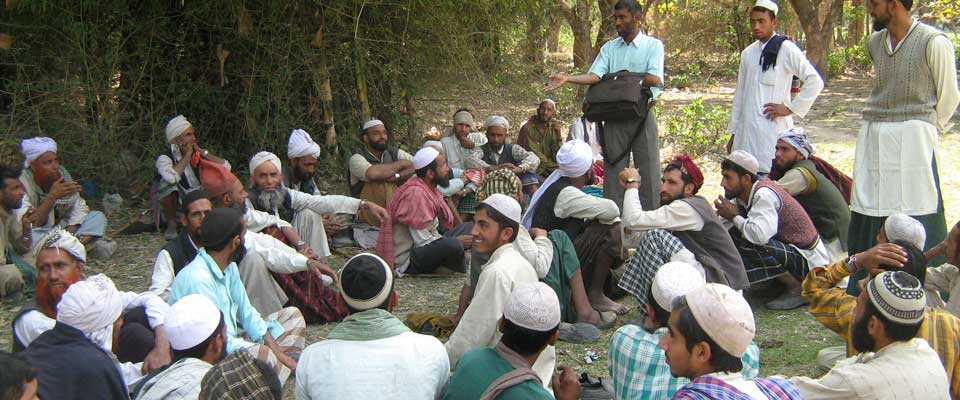
Parents and elders hold valuable knowledge about migration routes, seasonal work, local ecology, and children’s needs. Their participation can improve decisions about school timing, safe accommodation, transport, and communication with teachers. Community meetings can also identify children who have dropped out or are at risk of losing contact with education.
Young people should have a voice in these discussions. Their experiences can reveal practical barriers that adults or institutions may overlook, such as unsuitable hostel arrangements, bullying, language difficulties, or the pressure to leave school early. Community-led monitoring can encourage schools and public officials to respond more consistently.
Making government services reachable
The Right to Education framework, public schools, scholarships, hostels, transport schemes, and other welfare programmes can support children when families are able to access them. In practice, applications and eligibility requirements may be difficult to navigate, especially for mobile households or families with limited experience of government offices.
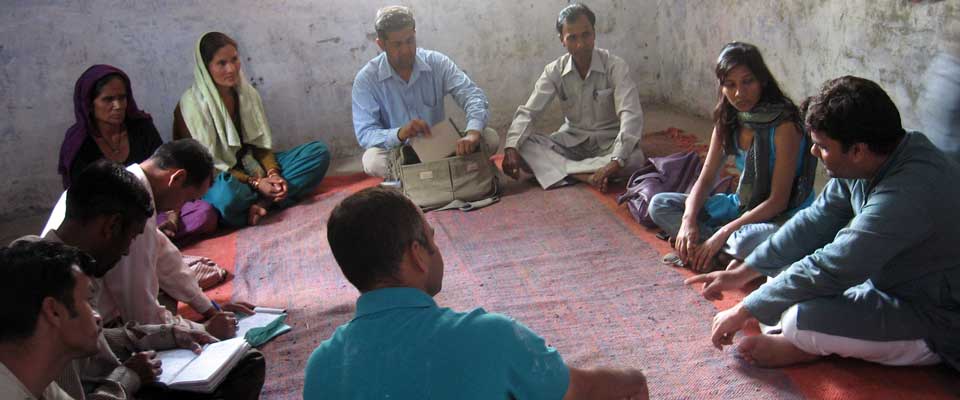
Civil society organisations can help connect communities with education departments, local administrations, and schools. SOPHIA’s wider work on indigenous rights, forest and domicile rights, social mobilisation, and advocacy creates an important foundation for this engagement. When education is addressed alongside citizenship documents, housing, livelihoods, and public services, solutions are more likely to last.
Practical priorities for inclusive schooling
A strong approach should be locally designed and reviewed regularly. Conditions differ between settlements, migration routes, and districts, so one standard intervention may not work everywhere. Schools, families, local authorities, and community organisations can use attendance information and community feedback to adapt support.
Useful priorities include:
- Map seasonal migration patterns before setting school calendars or outreach schedules.
- Provide help with enrolment, transfers, domicile records, scholarships, and other documents.
- Train teachers to understand Van Gujjar culture, pastoral livelihoods, and mobile family structures.
- Establish safe learning spaces or residential support only with informed community participation.
- Track learning progress through simple, portable records that children can carry between locations.
These measures should protect children from exclusion while respecting family decisions and community dignity. Education must remain safe, affordable, accessible, and connected to children’s long-term aspirations.
Partnering for continuity and dignity
Bridging formal schooling and nomadic life calls for cooperation rather than a single programme. Government departments can improve access and flexibility; schools can strengthen outreach and welcoming practices; communities can guide locally appropriate solutions; and NGOs can support advocacy, documentation, training, and coordination.
SOPHIA’s work offers a platform for people and institutions that want to stand with Van Gujjar and Himalayan communities. Support for community-led education, rights awareness, field partnerships, research, and responsible volunteering can help children pursue learning while remaining connected to their families, culture, and pastoral heritage. Get involved through SOPHIA’s community programmes and partnerships to help make education continuous, inclusive, and grounded in dignity.